National Dish Rwanda: Sorghum Bread (Recipe)

In this article
Discover Sorghum Bread, a cornerstone of the Rwandan table and a proud emblem of the country’s heritage. Made from naturally gluten-free sorghum grain, it carries a gentle nutty flavour and a pleasingly grainy bite that sets it apart from ordinary loaves. Simple enough for a first-time baker yet special enough for a celebration, it makes a warm, wholesome side for hearty stews and festive gatherings alike. Bring a taste of Rwanda’s grain-growing highlands straight to your own kitchen.
About Sorghum Bread
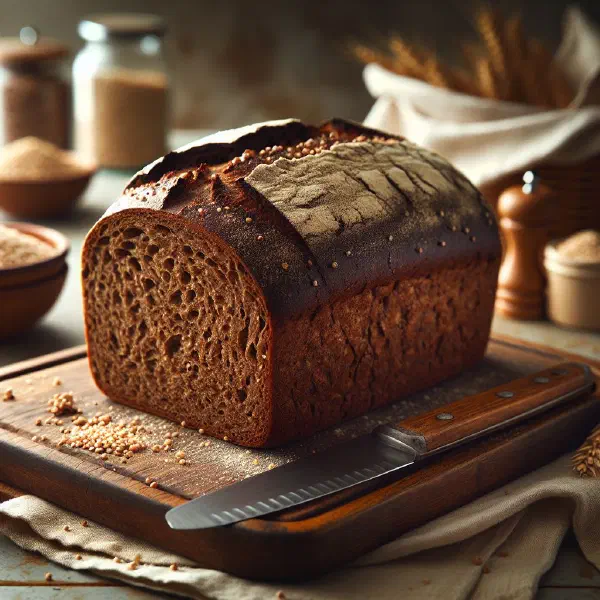
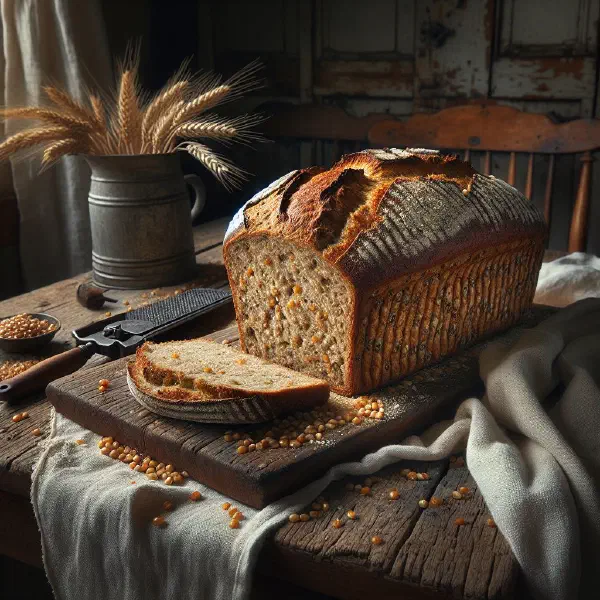
Sorghum bread is a firm fixture of Rwandan cuisine and has, over the years, grown into a symbol of national identity. The bread is made from sorghum, a naturally gluten-free grain, and wins people over with its nutty flavour and grainy texture. It is often served on festive occasions or as a side to hearty dishes such as a warming Groundnut Stew. The preparation is refreshingly straightforward, making it a fine choice for beginners and seasoned cooks alike.
Ingredients (serves 1–2)
- 200g sorghum flour
- 300ml water
- 1 teaspoon salt
- 1 tablespoon olive oil
- Optional: spices to taste (e.g. cumin, coriander)
Shopping for the ingredients
To make sorghum bread, look for your ingredients in a specialist food shop or a well-stocked supermarket. Sorghum flour is often found in the organic aisle or in shops that focus on global foods. If you struggle to track it down, you might also consider other gluten-free flours such as rice or amaranth. Make sure your ingredients are fresh to bring out the very best aroma and flavour.
Preparing the dish
Preparing sorghum bread is uncomplicated and does not take much time. Begin by measuring out all the ingredients carefully and setting them within easy reach. It is important to observe good hygiene practices, especially when handling food, to safeguard the quality of the dish. You should also keep any necessary utensils, such as a large bowl and a whisk or mixer, close to hand.
Step-by-step instructions
- Tip the sorghum flour into a large bowl and stir in the salt.
- Warm the water gently and add it gradually to the dry ingredients, stirring vigorously as you go.
- Pour in the olive oil and knead the dough until it turns smooth and pliable.
- Cover the dough and leave it to rest for about 30 minutes.
- Shape the dough into small flatbreads and cook them in a hot, dry pan without oil until golden brown.
Gluten-free / lactose-free version
The beauty of sorghum bread is that it is naturally gluten-free, which makes it an excellent choice for anyone with a gluten intolerance. Using lactose-free ingredients likewise ensures the bread suits those with a lactose intolerance. Avoid adding dairy products and reach instead for plant oils or plant-based milk alternatives. That way the dish stays wholesome and tasty and versatile.
Tips for vegans and vegetarians
Sorghum bread is naturally vegan, which makes it a superb option for those on a plant-based diet. Take care to keep to plant-based foods throughout the cooking so the whole dish remains vegan. You can pair the bread with a variety of plant-based spreads or vegetable salads, such as a fresh Kachumbari, to build a balanced meal. Experiment with different spices to tune the flavour to your own taste.
More tips and tricks
If you want to make your sorghum bread especially aromatic, try out different herbs and spices. A hint of garlic or a scattering of fresh herbs can give the bread a real lift. You can also bake the bread in the oven to achieve a different texture. For a crisp outer crust, it is worth giving the bread a quick final toast in a hot pan.
Adapting the recipe to your taste
Everyone has different tastes, and the sorghum bread recipe lends itself beautifully to adaptation. You can add or leave out various ingredients depending on what you enjoy most or what you happen to have in. Fold in some nuts or dried fruit, for instance, to create a sweeter version. Experimenting with different flours can likewise open up exciting new flavours.
Ingredient substitutions
If you do not have sorghum flour to hand, you can use other gluten-free flours such as chickpea flour or millet flour. Take care to adjust the consistency of the dough to suit the flour you have chosen. The oil, too, can be swapped for coconut oil or avocado oil to achieve a different flavour. Your choice of ingredients can vary both the taste and the nutritional make-up of the bread.
Drink pairing ideas
The nutty aroma of sorghum bread harmonises wonderfully with a range of drinks. A freshly made fruit juice blend or a herbal tea complements the dish perfectly. For a festive occasion, a light wine or a refreshing craft beer also fits the bill. The choice of drink can do much to set the mealtime mood and heighten your enjoyment of the bread.
Serving and presentation ideas
The presentation of sorghum bread can be kept simple yet stylish. Serve the bread on a rustic wooden board or in a handsome bowl to show it off at its best. A few fresh herbs or edible flowers on the plate add visual appeal. Set out any accompanying dips or spreads attractively, too, to round off the overall impression.
A bit of history
Sorghum has played a significant part in the history of Rwanda. It is an important source of food and runs deep in the culture, particularly in connection with traditional festivals and ceremonies. Sorghum bread has brought people together in many households and is often served at special occasions. This strand of Rwanda’s culinary tradition reflects the history and the togetherness of Rwandan society, much like the grain dishes at the heart of Rwandan cuisine.
More recipe ideas
Summary: Sorghum Bread
All in all, sorghum bread is a delicious and wholesome alternative to conventional bread, one that enriches the table both in flavour and in culture. Its simple preparation and the versatility of its ingredients make it a perfect addition to any meal or festive occasion. Give this dish a try and savour the taste and a piece of Rwandan culture on your plate.