National Dish Rwanda: Ubugari (Recipe)
In this article
Discover Ubugari, one of Rwanda’s most cherished staples. This creamy dish is made from little more than maize flour and water, yet it holds a special place at the heart of the Rwandan table. Smooth, comforting and endlessly versatile, it is traditionally shared among family and friends, served alongside hearty stews and grilled meats. Bring a taste of Rwandan hospitality into your own kitchen with this wonderfully simple recipe.
About Ubugari
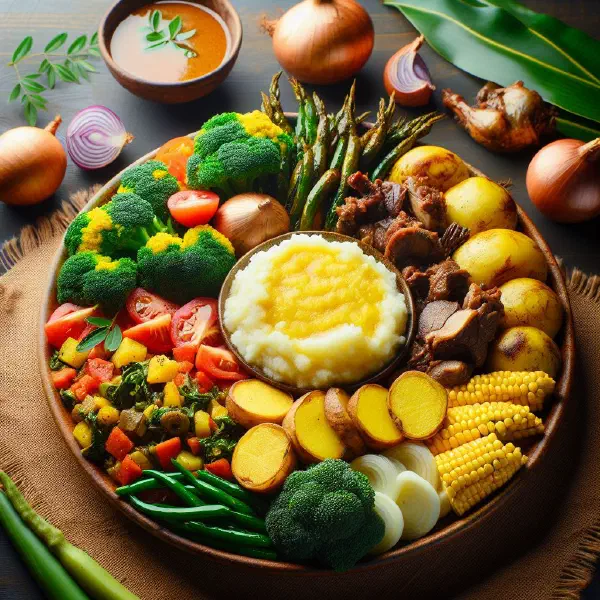
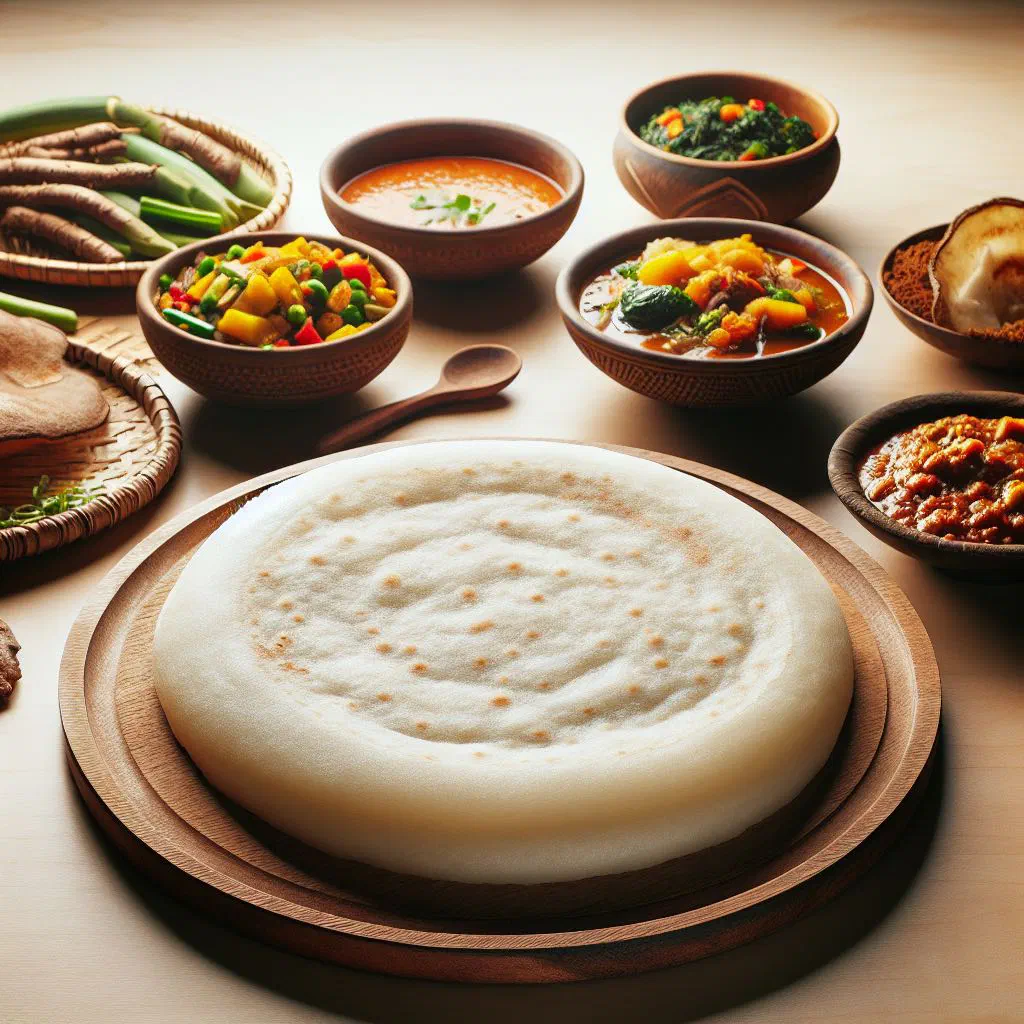
Ubugari is a traditional dish from Rwanda, made principally from maize flour or a similar starchy flour. It has a soft, creamy consistency and is most often served as a side to a variety of stews and grilled dishes. Its long history and cultural significance make ubugari one of the country’s most important foods. The dish is usually prepared communally and enjoyed in convivial company, turning a simple meal into a moment of togetherness.
Ingredients (serves 1–2)
- 1 cup maize flour or starchy flour
- 2 cups water
- A pinch of salt
- Optional: spices of your choice (e.g. pepper, garlic)
Shopping for the ingredients
The ingredients for ubugari are available in most supermarkets and in specialist African grocery shops. Maize flour is the essential component and should be fresh to bring out the best flavour. When choosing your ingredients, it is worth paying attention to quality to guarantee a tasty result. Regional markets often stock fresh produce too, which makes the dish all the more authentic.
Preparing the dish
Before you start making ubugari, it helps to have all your ingredients ready. Measure out the maize flour and the water, and make sure you have a pan with plenty of room to work in. It is also useful to keep a whisk or a wooden spoon to hand, so you can distribute the flour evenly through the water. The preparation is quick and straightforward, which makes ubugari an ideal choice for unexpected guests.
Step-by-step instructions
- Pour the water into a pan and bring it to the boil.
- Add a pinch of salt to enhance the flavour.
- Reduce the heat and slowly sprinkle in the maize flour, stirring continuously with a whisk.
- Keep stirring until the mixture thickens and reaches a smooth, homogeneous consistency.
- Cover the pan and let it simmer for a few minutes so the flavours can develop.
- Serve the ubugari warm as a side to your main dish.
Gluten-free / lactose-free version
Ubugari is naturally gluten-free as long as you use maize flour, which makes it an ideal choice for anyone with a gluten intolerance. If you would rather avoid dairy, there are no extra ingredients here that contain lactose. The dish is already vegan and lactose-free and needs no special adjustments to meet these requirements, so you can enjoy ubugari without any concerns about its ingredients.
Tips for vegans and vegetarians
Since ubugari is made entirely from plant-based ingredients, it is a wonderful option for vegans and vegetarians. Pair the dish with a range of vegetables, stews or sauces to create a balanced meal. It is a natural partner for a rich Groundnut Stew. Add a little lemon juice or fresh herbs for extra flavour. The result is a hearty, nourishing dish with broad appeal.
More tips and tricks
To get the best results when cooking ubugari, it is important to control the heat well, temperatures that are too high can spoil the consistency. Stir constantly to avoid lumps and achieve an even texture. Using fresh ingredients can improve the flavour considerably. Try out different spices to give the dish a personal touch.
Adapting the recipe to your taste
Ubugari can easily be adapted to suit different palates. If you prefer it spicier, add chilli or other spices to liven the dish up. You can also vary the consistency by adding more or less water. Experiment with herbs and vegetables to discover new flavour combinations, much as you might when serving Brochettes alongside.
Ingredient substitutions
If you do not have maize flour to hand, you can also use alternative starches such as millet flour or sweet potato flour. These options offer different flavours and textures that keep the dish interesting. Take care to adjust the amount of liquid accordingly, so you reach the right consistency. That way ubugari remains a nourishing and tasty dish, whichever ingredients you choose.
Drink pairing ideas
Refreshing drinks go very well with ubugari. A simple lemon water or a fruity fruit juice can bring out the flavours of the dish. Traditional African drinks such as rooibos tea are also a fitting choice, as they complement the flavours of ubugari beautifully. Experiment with different combinations to enrich your dining experience.
Serving and presentation ideas
To serve ubugari attractively, use colourful plates and add fresh herbs as a garnish. An appealing presentation can lift the whole dining experience. Consider arranging the dish on a wooden board to create a rustic, authentic atmosphere. Little details like these turn a simple meal into a real feast.
A bit of history
Ubugari has its origins in Rwandan food culture and has been prepared for generations. Traditionally, the dish was prized by the native peoples of Rwanda as a staple food, since it is nourishing and easy to make. Historically it was a foodstuff and a symbol of community and belonging, as it was often cooked in large quantities and shared in company. Today ubugari is an important part of the national identity and is served at many festive occasions, standing among the finest of Rwandan cuisine.
More recipe ideas
Summary: Ubugari
Ubugari is a traditional, nourishing and easy-to-make dish that plays a central role in Rwandan cooking. With its few ingredients and its uncomplicated preparation, it is perfectly suited to any occasion. The dish can be adapted entirely to personal preference and offers plenty of scope for creative touches. Let the variety and cultural significance of ubugari inspire you, and bring a piece of Rwanda to your own table.