National Dish Samoa: Oka (Recipe)
In this article
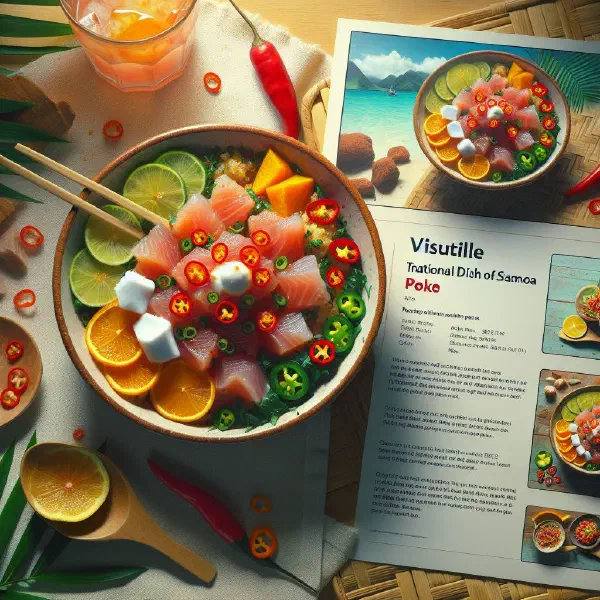
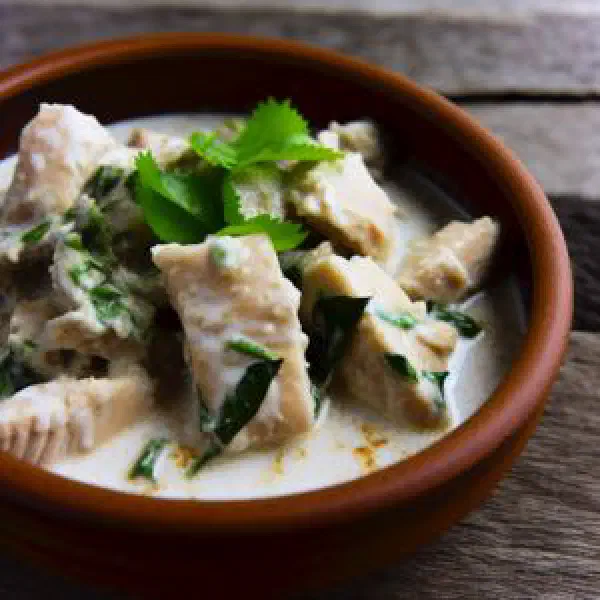
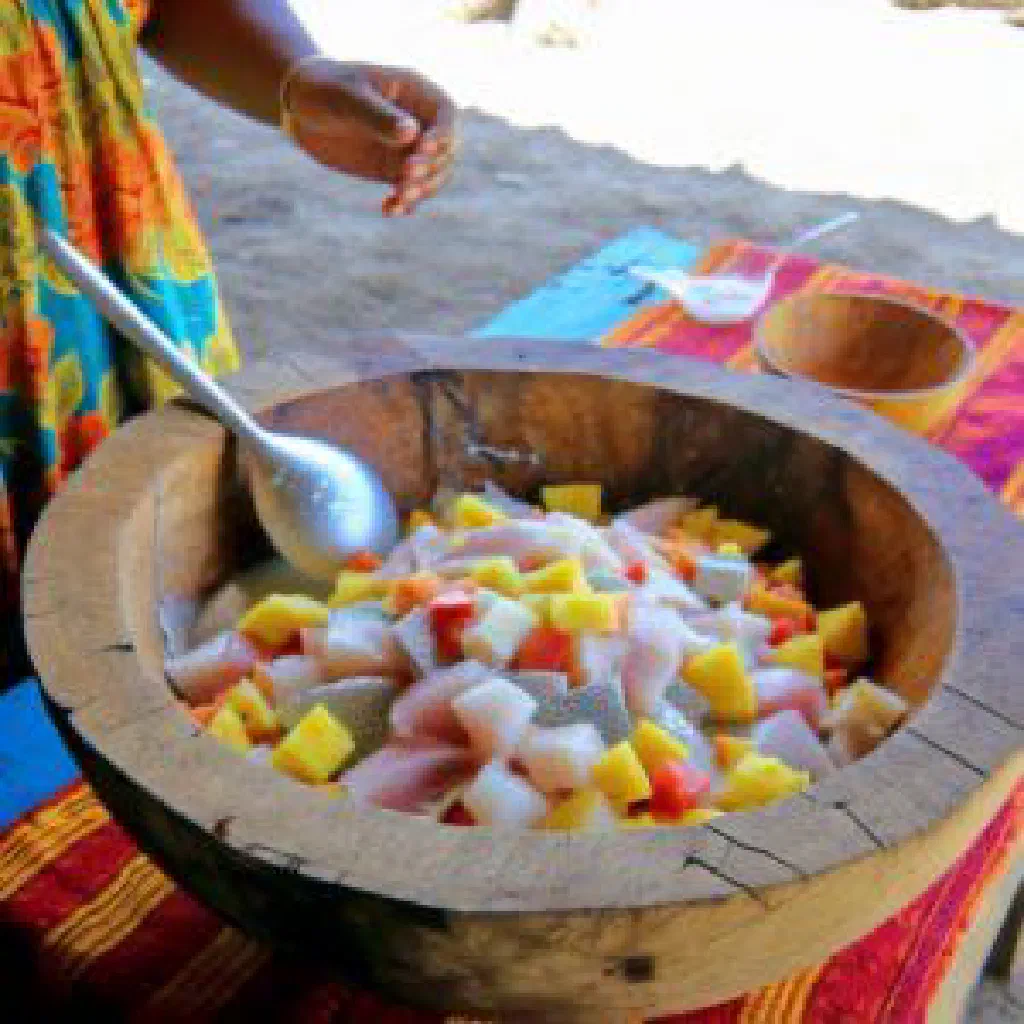
Say hello to Oka, the bright, zesty star of the Samoan table. This refreshing dish marinates cubes of fresh raw fish in tangy lemon juice, then folds them into creamy coconut milk with crisp onion, ripe tomato and a whisper of chilli. Light, cooling and wonderfully simple, it captures the easy, sun-soaked spirit of Polynesian island cooking in every spoonful. Bring a taste of the South Pacific straight to your own kitchen.
About Oka
Oka is a traditional dish from Samoa, beloved for its refreshing character and its wonderfully simple preparation. As a national dish it reflects the cultural roots of the islands and the abundance of seafood that defines Samoan cooking. The main ingredient is usually raw fish, marinated in lemon juice and enriched with coconut milk, onion, tomato and fiery chilli. What makes oka so special is the pairing of fresh fish with silky coconut milk, a combination that delivers a truly memorable eating experience.
Ingredients (serves 1–2)
- 300g fresh fish (e.g. tuna), diced
- Juice of 2 lemons
- 1 cup coconut milk
- 1/2 red onion, finely chopped
- 2 tomatoes, diced
- 1 small chilli, finely chopped (optional)
- Salt and freshly ground pepper, to taste
- A few leaves of fresh coriander, to garnish (optional)
Shopping for the ingredients
For the best possible results, seek out fresh, top-quality fish, ideally from a fishmonger you trust. Fresh lemons and a good coconut milk are equally important to the finished dish. When choosing your coconut milk, look for one with no added preservatives or extra additives, so the pure, clean flavours of the recipe can shine through.
Preparing the dish
Rinse the fish thoroughly and cut it into even cubes so it marinates uniformly. Finely chop the onion, and deseed the tomatoes before dicing them, which keeps the finished oka from turning watery and gives it the perfect texture. Have everything measured and ready so the dish comes together smoothly.
Step-by-step instructions
- Place the diced fish in a bowl and toss it with the lemon juice, making sure every piece is well coated. Leave to marinate for about 10–15 minutes, until the fish turns slightly opaque.
- Add the coconut milk, chopped onion, tomatoes and, if using, the chilli to the marinated fish. Mix everything together gently but thoroughly.
- Season the oka with salt and pepper, then let it rest briefly in the fridge so the flavours can settle before serving.
- Serve the oka cold, garnished with fresh coriander for a splash of colour and an extra lift of flavour.
Gluten-free / lactose-free version
Oka is naturally gluten-free and lactose-free, which makes it an easy choice for guests with dietary needs. There is no wheat or flour anywhere in the recipe, and the creaminess comes entirely from coconut milk rather than dairy. Just double-check that any shop-bought coconut milk carries no hidden additives, and you can serve this dish with complete confidence to almost anyone at the table.
Tips for vegans and vegetarians
While oka is built around raw fish, it adapts beautifully for a vegetarian or vegan table. Swap the fish for firm tofu, cut into small cubes and briefly marinated in the lemon juice so it soaks up that signature tang. Because the coconut milk already keeps the dish dairy-free, the result stays fresh and satisfying. Reach for the ripest tomatoes and crispest onion you can find to keep the flavours vivid.
More tips and tricks
To make sure the dish is safe to eat, it is important to keep the fish properly chilled before you begin. The lemon marinade is the critical step, do not leave the fish in it for too long, or the acid will effectively cook the flesh and turn it tough. A shorter marinating time keeps the texture silky and tender, which is exactly what you want in a good oka.
Adapting the recipe to your taste
Oka is easy to tune to your own palate. If you prefer things milder, leave out the chilli altogether or swap it for a gentler variety. For a lighter coconut note, use a little less coconut milk or loosen the mixture with a splash of water to soften the richness. Small adjustments like these let you shape the dish to suit exactly how you like it.
Ingredient substitutions
If some ingredients are not to hand, there is plenty of room to improvise. For a meat-free version, replace the raw fish with firm tofu, much as you would in a lighter take on Tuna And Coconut Salad. If you have no fresh coriander, other herbs such as chives or parsley make a fine garnish. These simple swaps help you adapt the recipe to the season or to your own preferences.
Drink pairing ideas
A cool, fruity drink rounds off the flavours of oka beautifully. Refreshing coconut water is a natural match, echoing the coconut milk in the dish, while a light, not-too-sweet white wine spritzer works well for something with a little more sparkle. Either way, keep the accompaniment crisp and cooling to balance the richness of the coconut.
Serving and presentation ideas
Oka looks wonderful served in a coconut shell, which plays up its tropical charm. Accent the dish with a leaf or two of lettuce and a slice of lemon for a fresh, inviting finish. Set alongside other island classics such as Palusami or Luau, it makes a colourful centrepiece for a South Pacific spread.
A bit of history
In Samoa, seafood has always played a central role, and oka reflects the deep connection to the sea and a lasting respect for its gifts. It is far more than a simple dish; it is a symbolic food that celebrates Samoan culture and a way of life lived in harmony with nature. As one of the best-loved dishes of Samoan cuisine, oka carries the flavours and traditions of the islands in every serving.
More recipe ideas
Summary: Oka
Oka is a delicious choice for anyone who loves fresh, light dishes that come together in minutes. The preparation is refreshingly simple and adapts easily to different tastes, from milder to fierier and from fish to tofu. More than a quick meal, it is a taste of Samoa’s connection to the ocean and its islands. Let this Polynesian classic inspire you and give it a try, your taste buds will thank you.