National Dish Samoa: Pani Popo (Recipe)
In this article
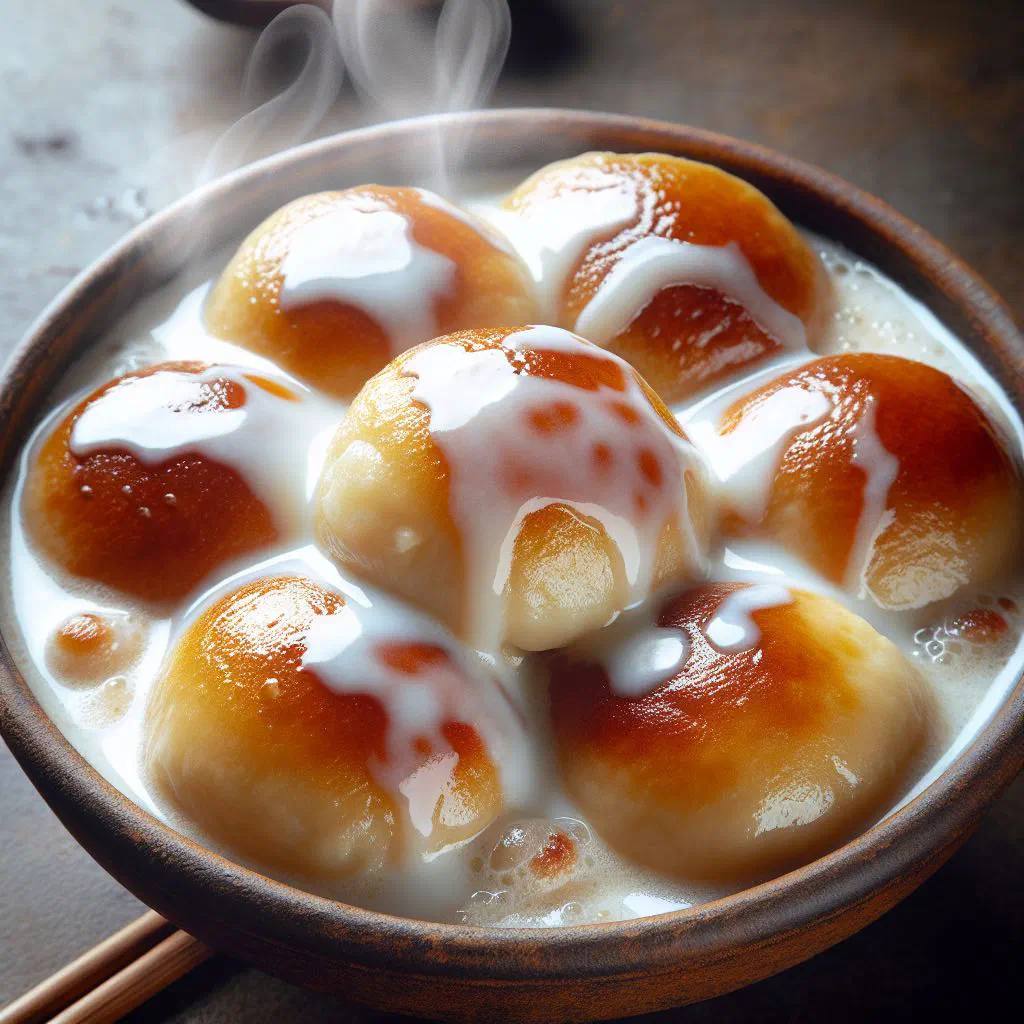
Meet Pani Popo, Samoa’s very good sweet coconut rolls. Pillowy soft buns bake slowly in a rich, creamy coconut milk sauce that soaks right through them, leaving each bite fragrant and lightly caramelised. Enjoyed as a dessert or an afternoon snack, they capture the warmth of island hospitality with just a handful of simple ingredients. Even if you have never baked bread before, this Polynesian treat is wonderfully easy to bring to your own kitchen.
About Pani Popo
Pani Popo is a traditional dish from Samoa, celebrated as much for its tender crumb as for the luscious coconut milk sauce that surrounds it. These soft rolls are baked in a creamy blend of coconut milk that lends them an incomparable sweetness and aroma. They are most often served as a dessert or snack and are a firm favourite at festive gatherings. With only a few but good-quality ingredients, this exotic dish is easy for even a beginner cook to recreate at home.
Ingredients (serves 1–2)
- 250 g plain flour
- 2 tablespoons sugar
- 1 sachet dried yeast
- 1 teaspoon salt
- 150 ml water
- 1 tin coconut milk
- 1 teaspoon vanilla extract
- Optional: a little grated coconut, to garnish
Shopping for the ingredients
For the best pani popo, it is worth buying fresh, good-quality ingredients. The flour and dried yeast are the foundation of the dough and should be fresh so that the rolls rise beautifully. Sugar, which most households keep to hand, brings the sweetness and can be adjusted to taste. The coconut milk is the heart of this recipe, so choose the finest you can find, as it shapes the flavour more than anything else.
Preparing the dish
Before you start, it helps to have all your ingredients ready and your work surface prepared. First, sift the flour into a large bowl to avoid any lumps. Then add the dried yeast, sugar and salt and mix well. You will also need warm water for the dough. Not too hot, or it will kill the yeast and stop the rolls from rising.
Step-by-step instructions
- Mix the flour, sugar, yeast and salt together in a bowl.
- Slowly add the warm water and knead the mixture until you have a smooth, supple dough.
- Cover the dough and leave it to prove in a warm place for about 1 hour, until risen.
- Once proved, divide the dough into small portions and shape into balls.
- In a baking dish, prepare a mixture of coconut milk and vanilla extract.
- Set the dough balls into the coconut milk and bake in a preheated oven at 180°C for about 25 minutes.
- Garnish with grated coconut if you like, and serve warm.
Gluten-free / lactose-free version
Making pani popo gluten-free is straightforward: simply use a gluten-free flour, which can usually replace ordinary flour on a 1:1 basis for an easy adaptation. For a lactose-free version, coconut milk is your only liquid and is already naturally free from lactose. Just take care that the sugar and other ingredients contain no hidden dairy, and everyone can enjoy the dish.
Tips for vegans and vegetarians
Pani Popo is naturally vegetarian, though vegans should check when shopping that no animal products have slipped in. Happily, the core ingredients, flour, sugar, yeast and coconut milk, are all plant-based, so adapting the recipe to a vegan diet is easy and requires no substitutions. A touch of extra-virgin coconut oil can refine the flavour even further.
More tips and tricks
A few simple tricks make pani popo even easier. Knead the dough thoroughly to achieve the right springy, airy texture. It also helps to lightly oil the dish before baking so the rolls do not stick. Keeping the dough covered while it proves stops it drying out and lets the yeast work at its best, giving you soft, fluffy buns every time.
Adapting the recipe to your taste
The pani popo recipe is easy to tailor to your own preferences. You might add extra flavours such as cinnamon or nutmeg to give the dough a personal twist. The rolls can also be served with different syrups or jams for a fruity freshness, much like the sweet finish of Faausi. Adding nuts or dried fruit is another lovely way to build in extra texture and flavour.
Ingredient substitutions
If you have no coconut milk to hand, plant-based alternatives such as almond or oat milk will do the job, though coconut remains at the heart of much Samoan cuisine. The flour can be swapped for alternatives like almond or spelt flour if intolerances are a concern. Sugar can be replaced with honey or agave syrup for a slightly healthier version. Each of these swaps brings its own character to the finished dish, as it does in a Vanilla Coconut Pudding.
Drink pairing ideas
A range of drinks pairs beautifully with pani popo and underlines its exotic flavour. A refreshing coconut-and-mango smoothie is an excellent choice to harmonise with the sweet notes of the rolls. A traditional Samoan koko (cocoa) also works nicely to round out the taste. For a festive touch, mix up some alcohol-free cocktails with tropical fruit to complete your tour to Samoa.
Serving and presentation ideas
Presenting pani popo should be an occasion in itself. Arrange the rolls on a handsome plate and garnish with fresh fruit for a splash of colour and contrast. A squeeze of lime juice over the buns adds a bright, fresh accent. Served this way, the dish is delicious and a feast for the eyes. Perfect for guests or a special celebration.
A bit of history
The origins of Pani Popo lie in Samoan culture, where the dish is traditionally served at feasts and celebrations. The pairing of soft rolls with rich coconut milk reflects the abundant nature and the way of life of the Polynesian islands. In Samoa, great value is placed on community, so this recipe is often prepared and shared in larger gatherings, in the same spirit as Palusami. As international dishes have grown in popularity, pani popo has found admirers well beyond Samoa too.
More recipe ideas
Summary: Pani Popo
Pani Popo is an appealing dessert that brings the exotic cuisine of Samoa into home kitchens everywhere. With its unique flavour and pillowy texture, it is a must for anyone who loves sweet things. The recipe is simple to make and endlessly adaptable, offering something for everyone. Give pani popo a try and let this culinary experience carry you away to the islands.