National Dish Samoa: Umu-Cooked Pork (Recipe)
In this article
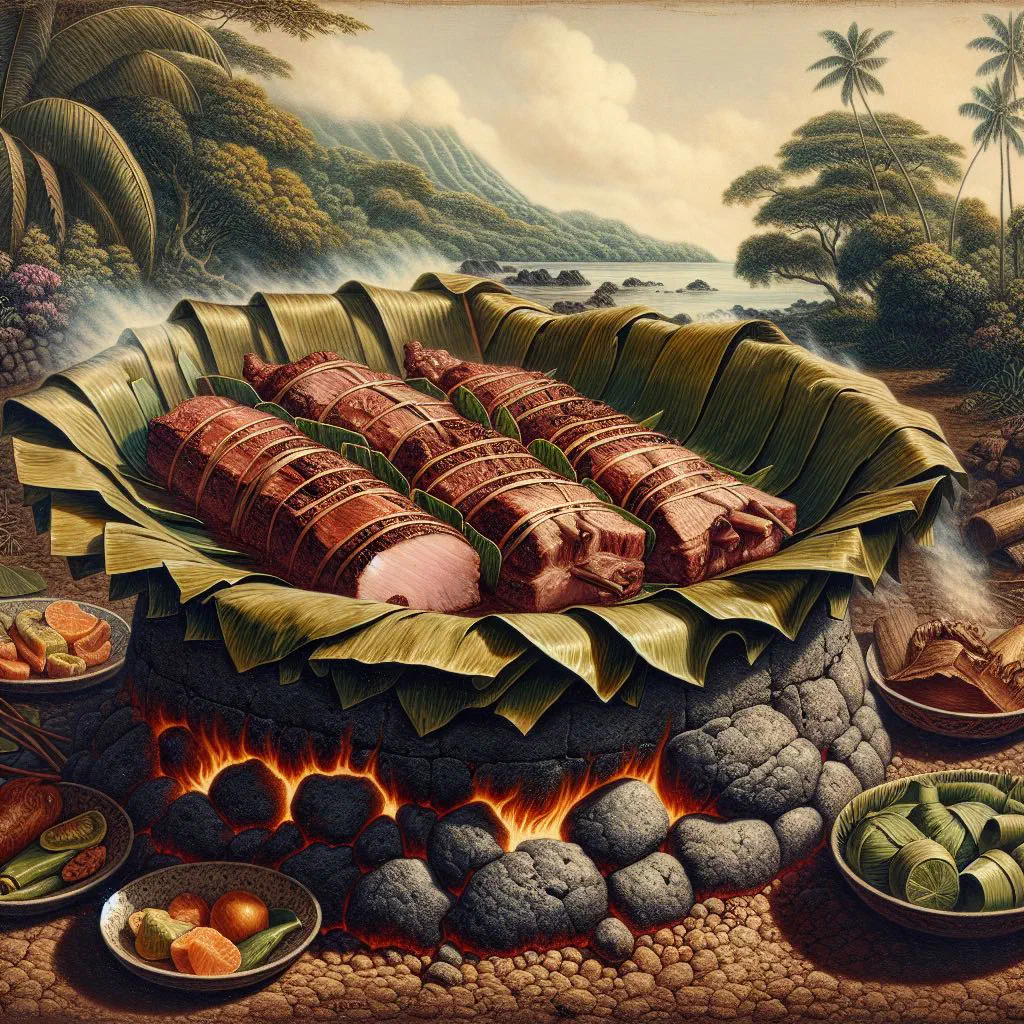
Discover Umu-Cooked Pork, a dish that captures the very soul of Samoan cooking. Prepared in the umu, a traditional above-ground earth oven of hot stones, the pork emerges meltingly tender, smoky and deeply fragrant. It is the centrepiece of feasts and family gatherings across the islands, a way of cooking that turns a simple cut of meat into something memorable. Bring a taste of Polynesia to your own table with this time-honoured recipe.
About Umu-Cooked Pork
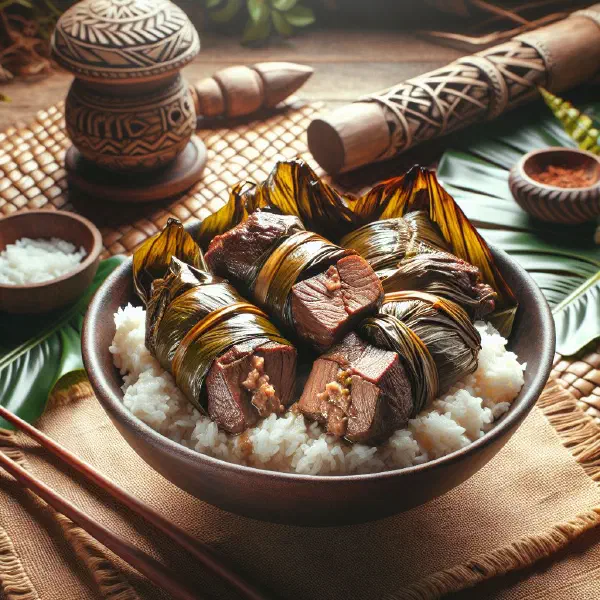
Umu-Cooked Pork is a traditional dish from Samoa that embodies the very essence of Polynesian cuisine. It is cooked in an underground oven known as the umu, which draws out the full aroma and juiciness of the pork to perfection. This slow method of cooking leaves the meat especially tender and flavourful. The use of fresh herbs and roots lends the dish a distinctive character and reflects the rich culinary traditions of the islands.
Ingredients (serves 1–2)
- 500 g pork (such as shoulder or belly)
- 3–4 banana leaves
- 1–2 sprigs fresh rosemary
- 1 onion
- 2–3 cloves garlic
- Salt and pepper, to taste
- Water
Shopping for the ingredients
When shopping for Umu-Cooked Pork, take care to choose fresh, good-quality pork. Pork shoulder or pork belly are ideal, as they carry enough fat to stay juicy throughout the long cooking. The banana leaves should be fresh or well preserved to guarantee the best flavour. Fresh herbs and vegetables such as onion and garlic also add to the depth of taste, much like the produce that gives Palusami its richness.
Preparing the dish
Before you begin preparing the Umu-Cooked Pork, make sure all your ingredients are ready to hand. Wash and cut the pork into manageable pieces, then season it with salt and pepper. While the meat takes on the seasoning, prepare the banana leaves by warming them gently to make them more pliable. This makes wrapping the meat far easier and helps lock in the aromas during cooking.
Step-by-step instructions
- Heat the umu and prepare it for cooking.
- Wrap the seasoned pork in the banana leaves.
- Place the wrapped meat in the umu and cover it with further banana leaves.
- Add a few hot stones and a little water to encourage gentle steaming.
- Cover the umu well and let the pork cook slowly for about 4–6 hours.
- Check that the meat is cooked through before serving.
Gluten-free / lactose-free version
Umu-Cooked Pork is naturally gluten-free and lactose-free, as long as you take care to avoid gluten-containing seasoning blends or dairy products when choosing your ingredients. Use spices and marinades that are clearly labelled gluten-free. This makes the dish a wonderful option for anyone with food intolerances. Enjoy all the flavour without a second thought about hidden additives.
Tips for vegans and vegetarians
Although Umu-Cooked Pork is traditionally made with pork, you can easily create a vegan or vegetarian version. In place of the meat, use marinated vegetables or tofu, wrapped in banana leaves and cooked in the umu in just the same way. Be generous with the spices and herbs to keep the dish aromatic and full of flavour. This simple adaptation means everyone can share in this fascinating cooking tradition, as they might with a plate of Coconut Cream Taro.
More tips and tricks
An important tip for preparing Umu-Cooked Pork is to season the pork well ahead of time to intensify the aromas. Leave the meat to rest for at least a few hours, or ideally overnight. When wrapping it in the banana leaves, tuck them snugly around the meat so it stays moist throughout cooking. Make sure, too, that the umu has reached the right temperature to ensure even, steady cooking.
Adapting the recipe to your taste
The recipe for Umu-Cooked Pork is easy to tailor to your own preferences. Add different herbs such as thyme or oregano, for instance, to explore new flavours. The choice of meat can vary too. Try beef or lamb for an interesting change. You might also experiment with the sides, serving a fresh vegetable salad or rice alongside, much as you would with a hearty Roasted Pork Belly.
Ingredient substitutions
If some ingredients are hard to find, there are plenty of alternatives for Umu-Cooked Pork. Instead of banana leaves, you can use aluminium foil to wrap the pork. Where fresh vegetables are not to hand, frozen or preserved varieties work just as well. The same goes for herbs: reach for dried ones when fresh are unavailable, even if this shifts the flavour a little.
Drink pairing ideas
Many refreshing drinks pair beautifully with Umu-Cooked Pork, complementing the flavours of the dish. A fruity punch or a light brown lemonade make excellent companions. Traditional drinks such as coconut water or fresh regional fruit juices lend your meal a tropical note. Experiment with different options to find the ideal match for your own taste.
Serving and presentation ideas
There are many creative ways to present Umu-Cooked Pork. Serve the meat on a large wooden board and garnish it with fresh herbs and seasonal vegetables. A lovely touch is to set out small bowls of different sauces or side dishes alongside. A thoughtful presentation turns the dish into a feast for the eyes as well as the palate.
A bit of history
The way Umu-Cooked Pork is prepared is a significant part of Samoan culture and carries a long history. Traditionally, the dish was made for special occasions and celebrations, a symbol of community and family togetherness. Through its use of natural materials and local ingredients, it reflects the people’s deep connection with their environment. Even today, the umu remains a central feature of Samoan cuisine and its food culture.
More recipe ideas
Summary: Umu-Cooked Pork
Umu-Cooked Pork is more than just a dish; it is a window into the rich culture of Samoa. With its unique method of preparation and its deep, intense flavours, it brings together tradition and the present in the most delicious way. This dish is sure to captivate your guests. Give it a try and let the magic of Polynesian cooking work its charm.