National Dish San Marino: Castagnaccio (Recipe)
In this article
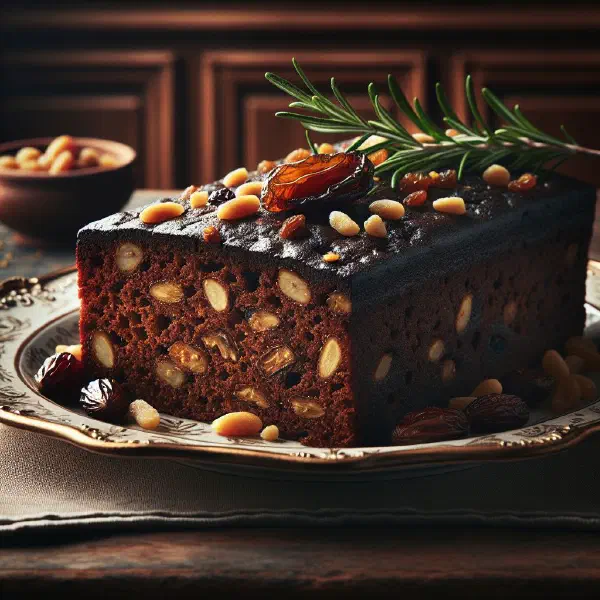
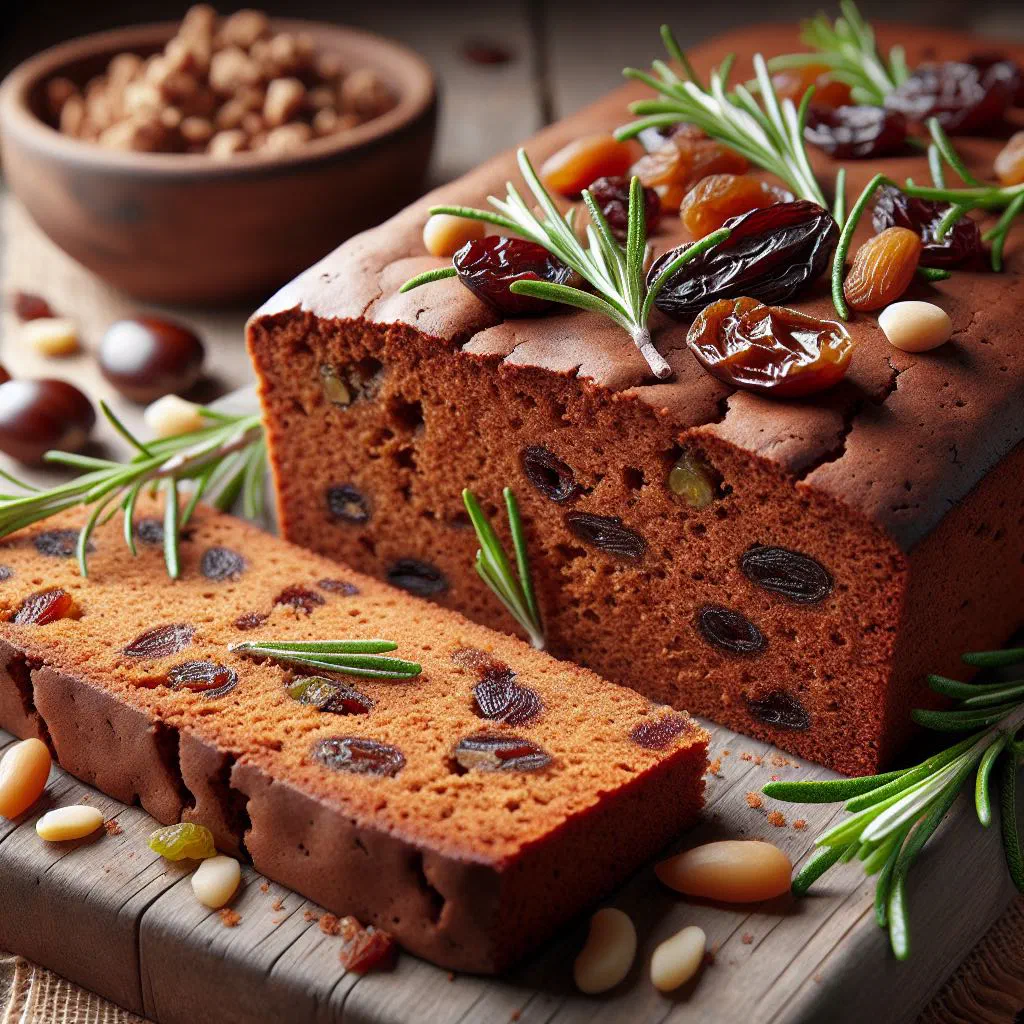
Meet Castagnaccio, a wonderfully rustic chestnut cake that carries the soul of the Italian countryside straight into San Marino’s kitchens. Built from little more than chestnut flour, pine nuts, raisins and a whisper of rosemary, it is humble food with real character, nutty, gently sweet and very moreish. Enjoyed warm or cold, as a simple snack or the closing note of a festive meal, this ancient cake is proof that the plainest ingredients can make the most memorable bakes.
About Castagnaccio
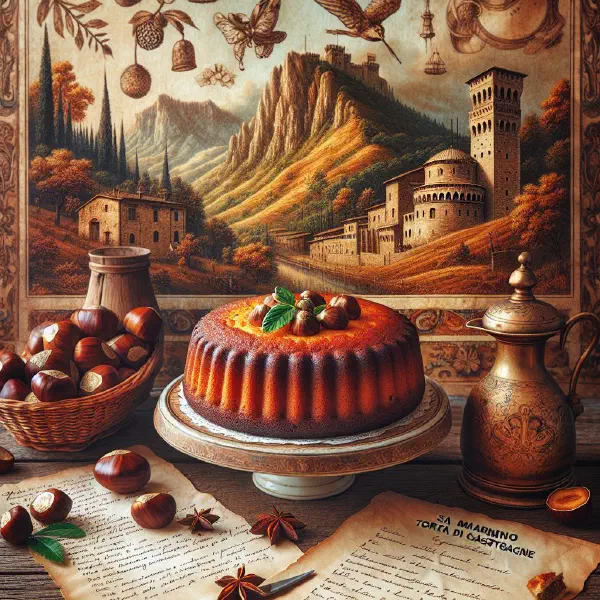
Castagnaccio is a traditional chestnut cake with roots in the Italian region of Emilia-Romagna, and it holds a treasured place in San Marino too. This rustic bake wins hearts through its simple, natural ingredients, bringing together chestnut flour, pine nuts, raisins and fragrant herbs in one harmonious whole. Its nutty flavour and soft, velvety texture make it a beloved dessert that can be enjoyed either warm or cold. Castagnaccio brings a taste of the Italian way of life to the table.
Ingredients (serves 1–2)
- 200 g chestnut flour
- 300 ml water
- 50 g raisins
- 30 g pine nuts
- 2–3 sprigs fresh rosemary
- 1 pinch of salt
- 2–3 tablespoons olive oil
Shopping for the ingredients
To make castagnaccio, look for your ingredients in a well-stocked supermarket or an Italian delicatessen. Chestnut flour is often found in the baking aisle, while raisins and pine nuts usually sit among the dried fruits and nuts. Be sure to pick out fresh rosemary, as it lifts the aroma of the cake considerably. This same rustic, market-driven approach runs through much of San Marino’s cuisine, where good raw ingredients do most of the work.
Preparing the dish
Before you start baking, the raisins are best soaked in warm water for a few minutes to plump them up and deepen their sweetness. Whisk the chestnut flour smoothly into the water so no lumps remain. Prepare a baking tin by greasing it lightly with olive oil. As a final step, roughly chop the rosemary so it can be scattered evenly through the batter.
Step-by-step instructions
- Tip the chestnut flour into a bowl and gradually add the water, whisking well until smooth.
- Stir in the soaked raisins, the pine nuts and the rosemary until evenly combined.
- Pour the mixture into the prepared baking tin and spread it out evenly.
- Drizzle the surface evenly with a tablespoon of olive oil.
- Preheat the oven to 180 °C and bake for around 25 to 30 minutes, until the cake is firm and lightly golden.
- Let it cool briefly after baking, then cut into pieces. It is best served warm.
Gluten-free / lactose-free version
Castagnaccio is naturally gluten-free, as it relies entirely on chestnut flour. That makes it a wonderful option for anyone with coeliac disease or a gluten intolerance. The cake is lactose-free too, since it contains no dairy at all. You can therefore enjoy this delicious dessert without any worry and slot it easily into a wide range of diets.
Tips for vegans and vegetarians
Castagnaccio is a natural fit for vegans, as the recipe contains no animal products whatsoever. If you fancy a little variation, you can use plant-based oils such as coconut or avocado oil to shift the flavour. The cake also takes well to plant-based flavourings like cinnamon or vanilla. Experiment with different nuts or dried fruits to tailor the recipe to your own taste.
More tips and tricks
To get the very best from your castagnaccio, a few handy tips go a long way. Sift the chestnut flour before use to achieve a lighter texture. Keep an eye on the baking time, as it can vary from oven to oven. For a touch more sweetness, drizzle honey or maple syrup over the finished cake. Serve it warm to let the full aroma unfold.
Adapting the recipe to your taste
The castagnaccio recipe is easy to adjust to personal preference. Add chocolate chips, for example, to create a sweeter version. If you have no pine nuts to hand, almonds or walnuts work just as well. Experiment with different herbs such as thyme or oregano for a more savoury note. That way anyone can create a cake made exactly to their own liking.
Ingredient substitutions
If you find yourself short of certain ingredients, there are plenty of alternatives. Chestnut flour, for instance, can be swapped in many supermarkets for rice flour or a gluten-free flour blend, though this will change the texture a little. Raisins can be replaced with other dried fruits such as dates or apricots, the kind of sweet contrast that also shines in an Apple Cake. Adjustments are always possible, and they often yield new and delicious flavours.
Drink pairing ideas
Castagnaccio pairs beautifully with a variety of drinks. Traditionally it is served with a cup of espresso, which makes for a genuine flavour experience. A robust black tea is another excellent choice. For an alcohol-free option, you might offer a fresh fruit juice or a fruity sparkling water. These combinations help the flavours of the cake shine even more.
Serving and presentation ideas
Thoughtful presentation can lift the whole castagnaccio experience. Serve the cake on a rustic wooden board and garnish it with fresh herbs or edible flowers. A dusting of icing sugar or cocoa powder scattered over the top gives it an appealing finish. Rounding things off with a glass of whipped plant-based cream to serve as a dip completes the picture. It sits happily alongside a slice of Ciambella Romagnola on a shared dessert board.
A bit of history
Castagnaccio has a long tradition in Italian cooking that reaches back to the Middle Ages. Originally the cake was made by poorer households as a simple, filling meal, since chestnut flour was cheap and nourishing. Over the centuries the recipe evolved, and today castagnaccio is a much-loved dessert right across Italy. In San Marino it is often served at festivities and remains a firm part of the region’s culinary identity, much like the celebratory Bustrengo.
More recipe ideas
Summary: Castagnaccio
Castagnaccio is a hearty, nourishing treat and a slice of history that captures the very essence of Italian cooking. Its rustic simplicity and reliance on natural ingredients make it a versatile bake that appeals to both sweet and savoury palates. A dessert or part of a festive menu, castagnaccio offers countless opportunities for creative twists and personal preferences. Let this traditional recipe cast its spell and savour a true taste of the Italian way of life.