National Dish San Marino: Pane di San Marino (Recipe)
In this article
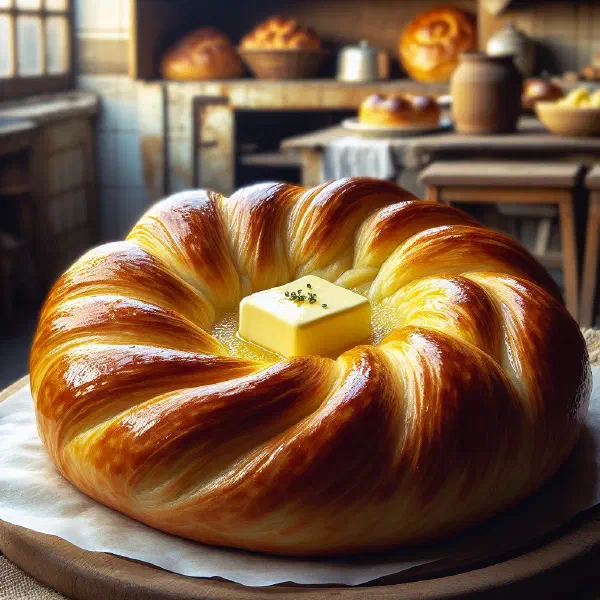
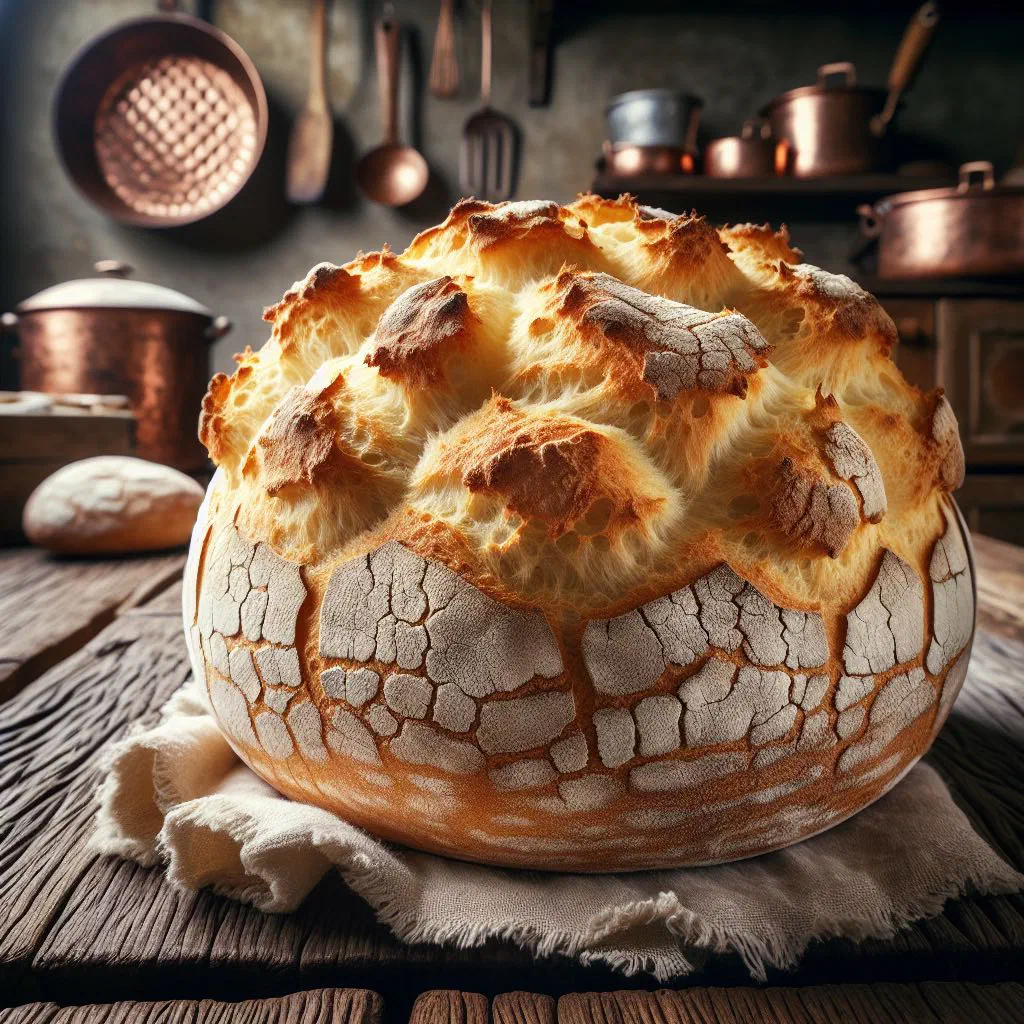
Say hello to Pane di San Marino, a rustic country loaf that sits right at the heart of this tiny republic’s table. Made from a handful of honest, good-quality ingredients, it bakes up with a golden crust and a soft, satisfying crumb. It happens to be vegan by nature and can easily be made gluten-free, so almost everyone can share in it. This is home baking at its most welcoming.
About Pane di San Marino
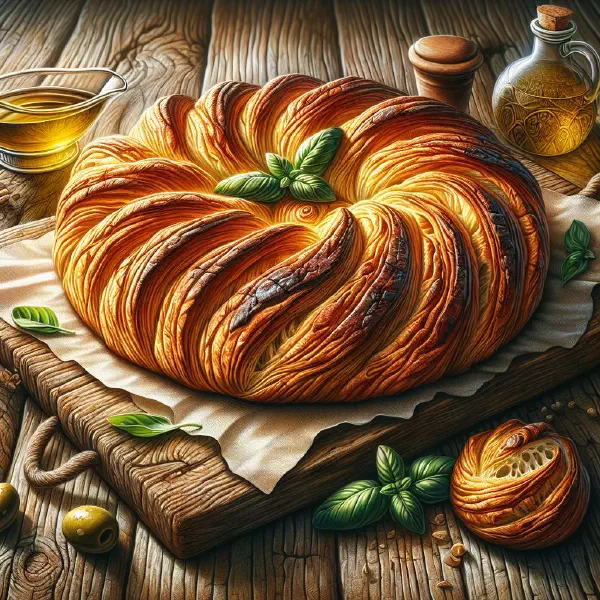
Pane di San Marino is more than just a bread. It is a genuine symbol of Sammarinese culture. It carries a long tradition and is usually made from simple yet high-quality ingredients. With its rustic texture and unmistakable flavour, it is a much-loved accompaniment in many households. Whether alongside a hearty stew or a selection of regional cheeses, this loaf belongs firmly to the cuisine of San Marino, much like the rustic breads that partner so well with the country’s traditional soups and roasts.
Ingredients (serves 1–2)
- 250 g plain wheat flour
- 150 ml water
- 2 tablespoons olive oil
- 1 teaspoon salt
- 1 teaspoon dried yeast
- 1 teaspoon sugar
Shopping for the ingredients
The ingredients for Pane di San Marino are available in any well-stocked supermarket or delicatessen. Take care to choose good-quality wheat flour and a decent olive oil, as they are decisive for the flavour. Dried yeast and sugar are equally easy to find. If you would like to support regional producers, look out for local mills and small-batch oils near you.
Preparing the dish
Set up your work surface and gather all the necessary tools, such as a mixing bowl, a measuring jug and a baking tray. The water should be lukewarm so that the yeast activates at its best. Take your time to prepare and weigh out all the ingredients before you begin. Good preparation is the key to a successful result.
Step-by-step instructions
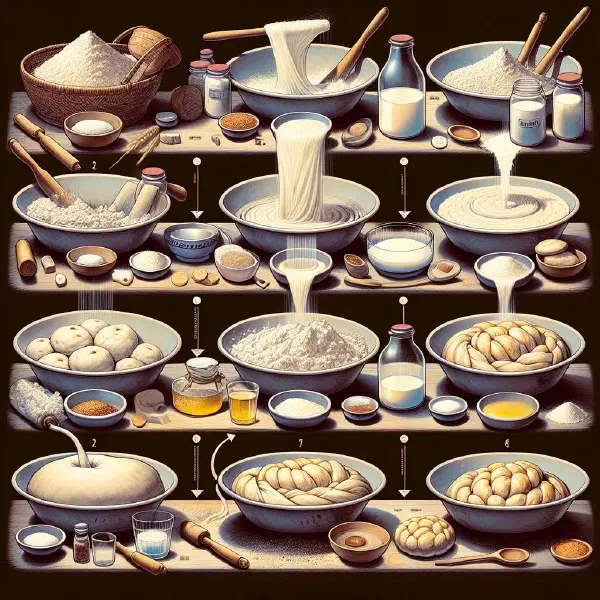
- In a bowl, mix the lukewarm water with the sugar and dried yeast, then leave to rest for 10 minutes.
- Put the flour and salt into a large bowl and form a well in the centre.
- Pour the yeast mixture and the olive oil into the well and combine everything thoroughly.
- Knead the dough on a floured surface for about 10 minutes, until it is smooth and supple.
- Cover the dough in a bowl and leave it to prove in a warm place for around one hour.
- Knock back the risen dough, shape it into a round loaf and place it on a baking tray.
- Let the loaf prove for a further 30 minutes, then bake in a preheated oven at 220 °C for about 25–30 minutes.
Gluten-free / lactose-free version
For a gluten-free version of Pane di San Marino, use a gluten-free flour that is well suited to bread. Take care to check the yeast and the other ingredients too, as some can also contain gluten. Where needed, choose lactose-free alternatives, or add extra herbs and spices to intensify the flavour. Experiment a little to reach the perfect consistency and taste.
Tips for vegans and vegetarians
Pane di San Marino is naturally vegan, as long as you add no animal products. Take care to choose a high-quality olive oil that contains no animal-derived additives. You can also work herbs or spices into the dough to give it more depth on a plant-based diet. This makes the traditional loaf an excellent option for vegans and vegetarians alike.
More tips and tricks
Laying a damp cloth over the dough while it proves helps to retain moisture and gives a better texture. If you like, you can also work seeds such as sesame or poppy into the dough, or scatter them over the top of the loaf for extra flavour. Good storage matters too: the bread keeps best in a bread bin or a sealed container. Just take care that it does not dry out.
Adapting the recipe to your taste
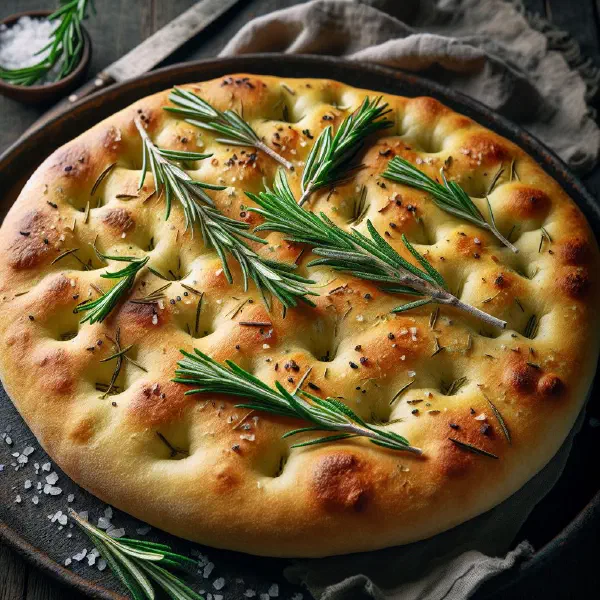
You can easily adjust the recipe for Pane di San Marino to suit your personal preferences. Add ingredients such as herbs, rosemary or thyme, for example, for a special flavour. Alternatively, you might work sun-dried tomatoes or olives into the dough. Touches like these give the bread a whole new dimension and turn it into the highlight of any meal.
Ingredient substitutions
If you have no dried yeast to hand, you can use fresh yeast instead. In that case, swap in around 10 g of fresh yeast for the recipe. If olive oil is not to your taste, sunflower or rapeseed oil also works well. These small changes can affect the flavour of the bread, so it is worth focusing on the right choice for you.
Drink pairing ideas
A freshly baked Pane di San Marino pairs beautifully with a good red wine that underlines the loaf’s aromas. Alternatively, you might serve a homemade lemonade or a glass of sparkling water to balance the savoury flavours. For a relaxed atmosphere over a leisurely meal, herbal teas also complement the bread in a wonderfully subtle way. Experiment a little to find what you enjoy most.
Serving and presentation ideas
Serve the Pane di San Marino on a rustic wooden board, which lends the dish an authentic touch. Add small bowls of regional cheeses and olives alongside the bread to create an inviting picture for both the eye and the palate. A few fresh herbs as a garnish can lift the presentation even further.
A bit of history
Pane di San Marino has its roots in the traditional cuisine of San Marino, which is strongly influenced by the surrounding Italian regions. Historically, bread was regarded as a staple food that formed the basis of many dishes. This loaf reflects the culture and the hospitality of the people of San Marino. To this day it is often served at celebrations and family meals, and it sits comfortably within the wider world of Sammarinese cuisine.
More recipe ideas
Summary: Pane di San Marino
Pane di San Marino is a hearty and versatile bread that is easy to make at home. With simple ingredients and a straightforward method, you can bring a little piece of San Marino into your own kitchen. This loaf is sure to be a hit. Enjoy the flavours of Sammarinese baking and let them win you over.