National Dish San Marino: Scaloppine al Limone (Recipe)
In this article
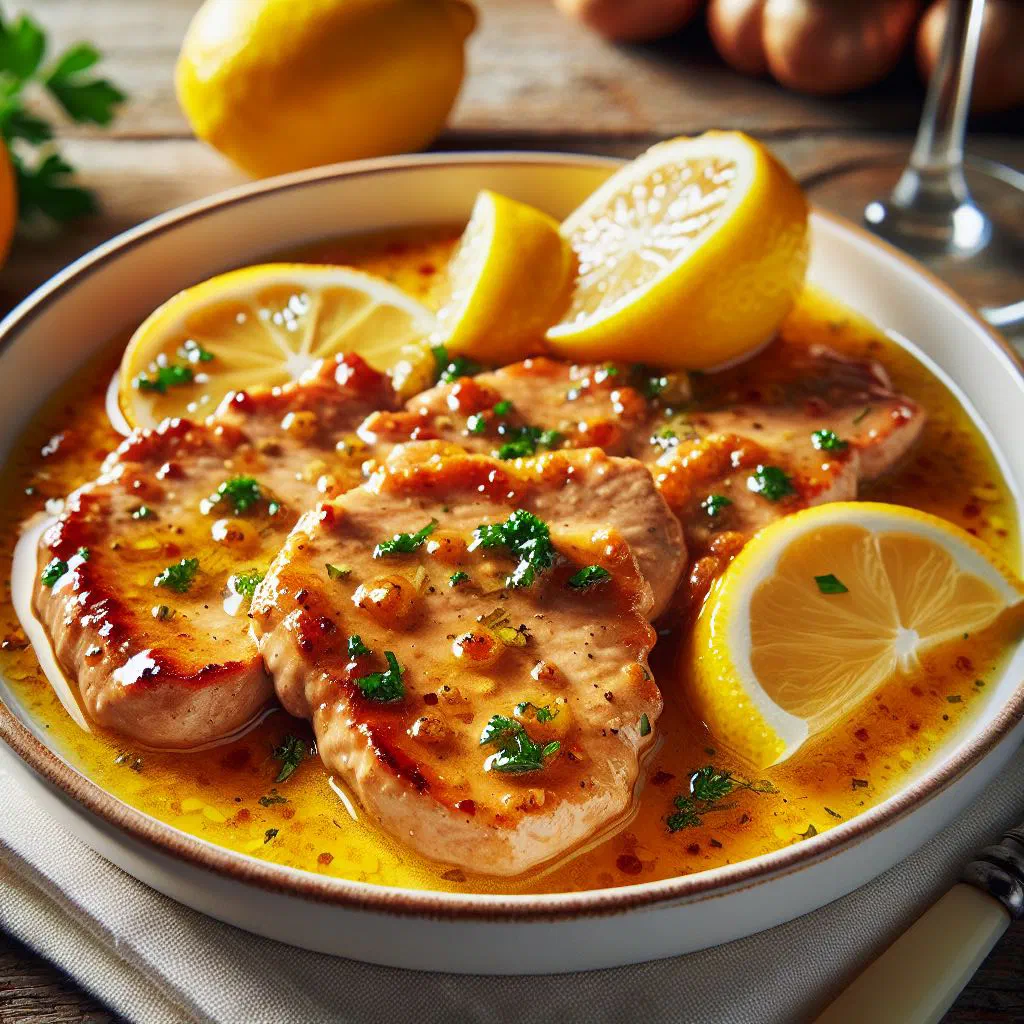
Say hello to Scaloppine al Limone, a bright and elegant classic beloved throughout San Marino and its Italian neighbours. Tender veal escalopes are pan-fried until golden, then bathed in a glossy sauce of butter and freshly squeezed lemon juice. It is the kind of dish that feels special yet comes together in minutes, making it ideal for a celebratory dinner or a relaxed evening at home. Fresh, zesty and very simple, it captures the sunny spirit of the Mediterranean on a single plate.
About Scaloppine al Limone
The traditional dish Scaloppine al Limone hails from the heart of Italy and is especially popular in San Marino. It pairs tender veal escalopes with freshly squeezed lemon juice for a wonderfully refreshing flavour. Carefully chosen seasonings lift the aromas and make the dish ideal for festive occasions. The only real requirement is fresh, quality ingredients, which allow the creative flair of Italian cooking to shine through in every bite.
Ingredients (serves 1–2)
- 300 g veal escalopes
- 1–2 lemons (juice and zest)
- 50 g butter
- Olive oil
- Salt and pepper
- Fresh parsley, to garnish
Shopping for the ingredients
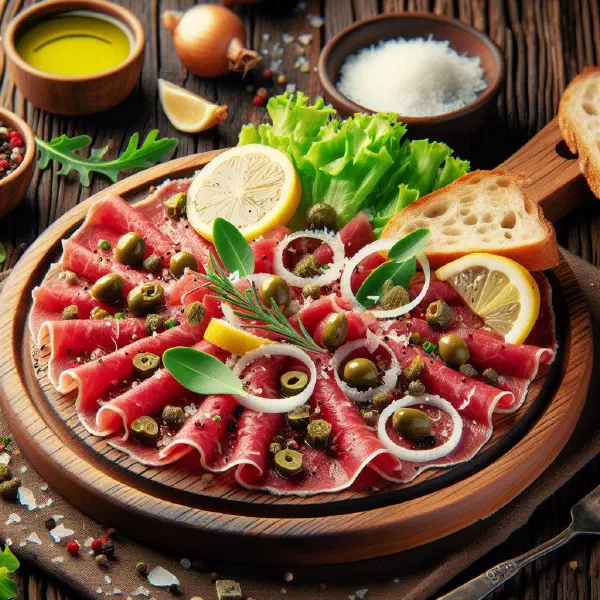
When shopping for Scaloppine al Limone, it pays to pay attention to the quality of the produce. Fresh veal escalopes are crucial to the flavour of the finished dish. The lemons, too, should be fragrant and juicy for the best results. Visit local markets to pick out the finest ingredients and enjoy an authentic taste of Italy, much as you would when preparing a plate of Carpaccio di Manzo.
Preparing the dish
Before you begin cooking Scaloppine al Limone, a little groundwork goes a long way. Make sure all your ingredients are measured out and within easy reach. The veal escalopes should be lightly pounded to guarantee their tenderness. The lemons need washing and juicing too, so you can capture the freshest possible flavour once the pan is hot.
Step-by-step instructions
- Lightly pound the veal escalopes and season with salt and pepper.
- Heat olive oil and butter together in a frying pan.
- Fry the escalopes until golden on both sides, roughly 3–4 minutes per side.
- Add the freshly squeezed lemon juice and the zest, then let it bubble briefly.
- Garnish with fresh parsley and serve immediately.
Gluten-free / lactose-free version
For a gluten-free and lactose-free take on Scaloppine al Limone, swap the butter for a quality plant-based oil. If you fancy a coating, use gluten-free breadcrumbs, and take care that none of your ingredients contain hidden gluten. The dish remains an absolute treat with no compromise on flavour, so everyone at the table can tuck in without a second thought.
Tips for vegans and vegetarians
For a vegan version of Scaloppine al Limone, replace the escalopes with soya or seitan cutlets. These alternatives offer a similar bite and can be seasoned and cooked in exactly the same way. Use vegan butter or oil for frying to keep everything plant-based. The result is delicious and kind to animals, without losing any of that bright, lemony appeal.
More tips and tricks
There are a few tricks that can raise your Scaloppine al Limone to the next level. Add fresh herbs such as thyme or rosemary for an extra layer of aroma. Be careful not to overcook the escalopes, so they stay beautifully tender. Striking the right balance between richness and juiciness is the real secret to a successful plate.
Adapting the recipe to your taste
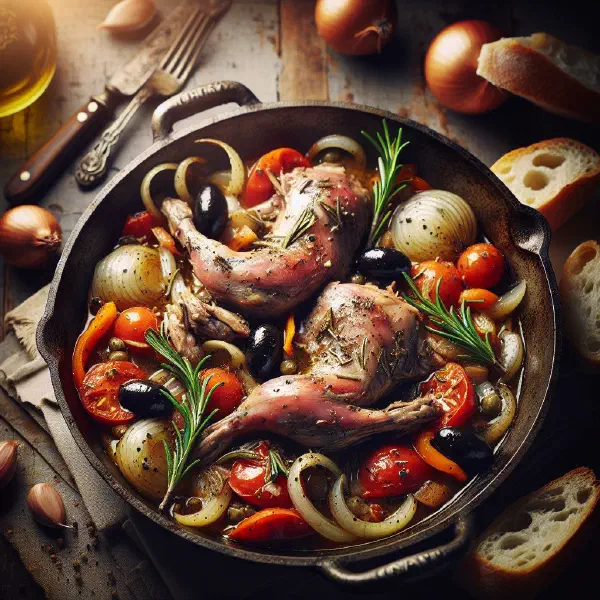
Scaloppine al Limone is easy to tailor to your own preferences. You might vary the amount of lemon juice, for instance, to dial the acidity up or down. Experiment with other types of meat, such as chicken or turkey, to discover fresh flavours. This flexibility makes the dish ideal for all sorts of occasions and personalities, in the same welcoming spirit as Pollo Arrosto con Erbe.
Ingredient substitutions
If you find yourself short of an ingredient for Scaloppine al Limone, there are plenty of creative alternatives. In place of veal, use chicken breast, which is just as tasty and juicy. For a milder note you can rely on bottled lemon juice instead of fresh, though freshly squeezed juice is always recommended for the most authentic aroma. Substitutions like these can make the whole cooking process that little bit easier.
Drink pairing ideas
The right drink can complement the flavours of Scaloppine al Limone beautifully. A lightly chilled white wine, such as a Chardonnay or Sauvignon Blanc, offers a pleasant balance to the dish’s acidity. Alternatively, serve a refreshing sparkling water with a slice of lemon. For those avoiding alcohol, unsweetened iced tea makes a flavourful and elegant choice.
Serving and presentation ideas
The presentation of Scaloppine al Limone can be lifted with a few simple touches. Serve the dish on a white plate to bring out its bright colours. Garnish with fresh herbs and a slice of lemon for an inviting look. Arranging sides such as steamed vegetables or mashed potatoes alongside will further enhance the visual appeal and round out the meal.
A bit of history
The origins of Scaloppine al Limone lie in Italian cuisine, celebrated for its varied and richly layered flavours. The use of lemons is especially typical of the Mediterranean, where the fruit grows fresh and fragrant. In San Marino the dish is often served on festive occasions and is a symbol of the region’s warm hospitality. That reputation makes it a firm favourite among locals and visitors alike, and a proud part of San Marino cuisine.
More recipe ideas
- Spezzatino di Vitello
- Galletto al Mattone
- Pesce alla Griglia con Erbe
- Grigliata Mista di Carne
- Insalata Caprese
Summary: Scaloppine al Limone
In summary, Scaloppine al Limone is a simple yet impressive dish that captures the flavours of Italy. Whether for a festive dinner or a relaxed evening at home, it is wonderfully straightforward to prepare and always adds a special touch. Let yourself be charmed by the refreshing combination of tender escalopes and zesty lemon, and pleasure your guests with a marvellously easy classic of Italian cooking.