National Dish São Tomé and Príncipe: Bobó de Camarão (Recipe)
In this article
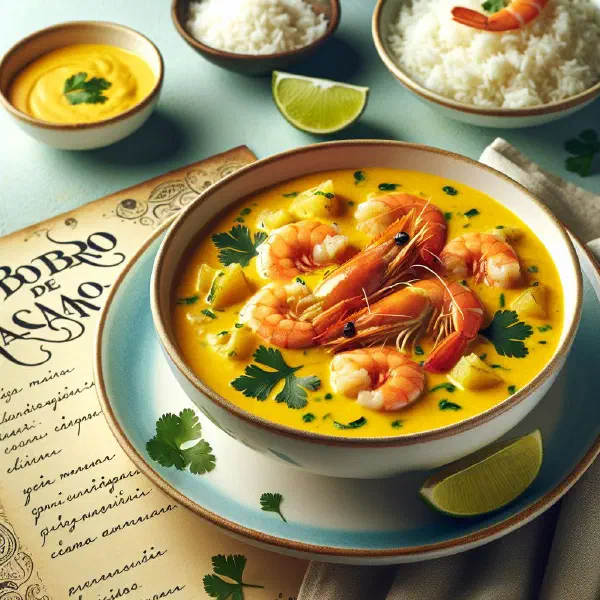
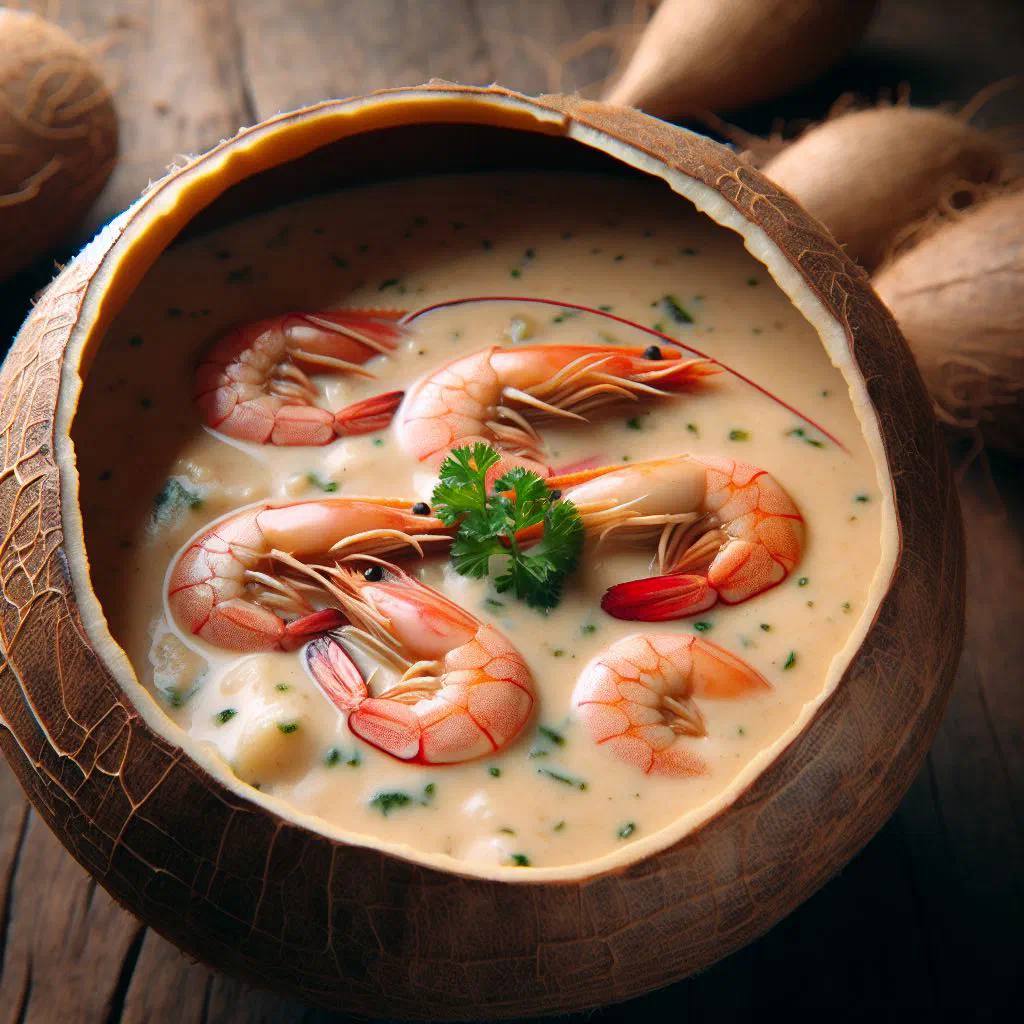
Few dishes capture the character of these Atlantic islands quite like Bobó de Camarão. Sweet, tender prawns sit in a velvety sauce built from puréed cassava and rich coconut milk, lifted by garlic, onion and a handful of fresh herbs. It is warming without being heavy, and it comes together in a single pan on an ordinary weeknight. One spoonful and you understand why the islanders have kept this recipe close for generations.
About Bobó de Camarão
Bobó de Camarão is a traditional dish from São Tomé and Príncipe that brings the essence of island life to the plate. The combination of tender prawns, creamy cassava and luxurious coconut milk creates a flavour experience you will not easily forget. The dish is usually finished with a range of herbs and spices that give it its characteristic note. Bobó de Camarão works equally well as a main course or as a generous side, which makes it a flexible choice for almost any menu.
Ingredients (serves 1–2)
- 200 g prawns, peeled
- 300 g cassava (yucca)
- 1 tin coconut milk (approx. 400 ml)
- 1 onion, finely chopped
- 2 cloves of garlic, chopped
- 1 red pepper, diced
- 2 tablespoons olive oil
- Salt and pepper to taste
- Fresh herbs (coriander or parsley)
Shopping for the ingredients
The key ingredient for Bobó de Camarão, the cassava, is stocked by many larger supermarkets and by most Asian and African grocers. For the prawns you can choose fresh or frozen, though fresh ones generally give the best flavour. Do not forget the coconut milk, as it is essential to the creamy consistency of the dish. For spices and fresh herbs, a local market is worth the detour, the same shopping trip will set you up for Caldeirada de Peixe too.
Preparing the dish
Before you start cooking Bobó de Camarão, it pays to prepare everything properly. The cassava needs to be peeled and cut into small pieces, since it takes longer to cook than the rest. The onion and garlic should be finely chopped and the pepper diced, so that everything cooks in step. Once all the ingredients are ready, organising the cooking process becomes far easier and the flavours combine perfectly.
Step-by-step instructions
- Bring the cassava to the boil in a pan of salted water and cook for around 20–30 minutes, until soft.
- Heat the olive oil in a frying pan and sauté the onion together with the garlic until translucent.
- Add the diced pepper and continue frying for a few minutes.
- Drain the cooked cassava, purée it and add it to the pan, followed by the coconut milk. Stir well.
- Add the prawns and cook over medium heat until they are just done.
- Season with salt, pepper and fresh herbs, then serve.
Gluten-free / lactose-free version
Bobó de Camarão is naturally gluten-free, as it contains no flour-based products at all. Coconut milk is likewise lactose-free, which makes the dish ideal for anyone with an intolerance. Just take care not to use spice blends or marinades that contain hidden gluten. With the right choice of ingredients, guests with particular dietary needs can enjoy this dish exactly as it is.
Tips for vegans and vegetarians
For a vegan version of Bobó de Camarão, replace the prawns with marinated, pan-fried cubes of tofu. The dish stays every bit as filling and aromatic, and you can keep the same spices and seasonings throughout. You can also bulk it out with extra vegetables such as spinach, or with chickpeas for additional protein. Be creative and adjust the ingredients to suit your own taste, the approach works just as well for Caril de Legumes.
More tips and tricks
To intensify the flavours of Bobó de Camarão, finish the dish with a squeeze of lime juice or a dash of hot sauce. Adjust the consistency of the purée by adding more or less coconut milk, depending on whether you want it creamier or thicker. It is also worth experimenting with grilling or searing the prawns first to build extra roasted aromas. A garnish of fresh herbs gives the dish its final polish and makes for an appealing presentation.
Adapting the recipe to your taste
The versatility of Bobó de Camarão means you can shape the recipe around your own preferences. Add extra vegetables such as courgette or carrot to work in more nutrients and flavour. Vary the spices to make the dish milder or hotter, depending on what you and your guests enjoy most. This not only makes the dish personal, it also keeps it interesting for the palate.
Ingredient substitutions
If you cannot find cassava, potatoes or sweet potatoes make a good stand-in with a similar texture, much as they do in Mandioca Cozida. The prawns can be swapped for other seafood such as mussels or firm white fish, both of which sit happily alongside coconut milk. For a plant-based alternative, seitan or firm tofu delivers a comparable mouthfeel. Substitutions like these let you tune the dish to different tastes and diets.
Drink pairing ideas
Light, fruity drinks complement Bobó de Camarão beautifully. A refreshing mango smoothie or an ice-cold caipirinha rounds off the creamy, gently spiced character of the dish. Alternatively, a coconut lemonade or a cold beer will underline its tropical note. These drinks bring freshness and lightness, which is exactly what a rich seafood dinner calls for.
Serving and presentation ideas
An attractive presentation of Bobó de Camarão is easily achieved with colourful vegetables such as fresh peppers and plenty of herbs. Serve the dish in a generous bowl, decorated with fresh coriander or mint, to create an inviting look. A side of rice or bread can be arranged just as prettily and gives the meal a traditional touch. Aim for colours and textures that harmonise, so the dish is a pleasure for the eyes as well as the palate.
A bit of history
Bobó de Camarão has its roots in the fusion cooking of São Tomé and Príncipe, where African, Portuguese and Caribbean influences meet. Cassava, originally from South America, spread through colonial trade routes and is today a staple across many tropical regions. The use of coconut milk and fresh seafood reflects the maritime culture of the islands, a thread that runs through much of São Toméan cuisine. This dish therefore tells a story not only of flavour, but of the rich and varied history of a small island nation.
More recipe ideas
Summary: Bobó de Camarão
In short, Bobó de Camarão is not only delicious but culturally significant. It brings together the flavours of many tropical ingredients and offers a wonderful way to experience the cooking of São Tomé and Príncipe. Preparation is relatively straightforward and the recipe adapts easily to individual tastes. Bobó de Camarão appeals to with every bite.