National Dish São Tomé and Príncipe: Chikanda (Recipe)
In this article
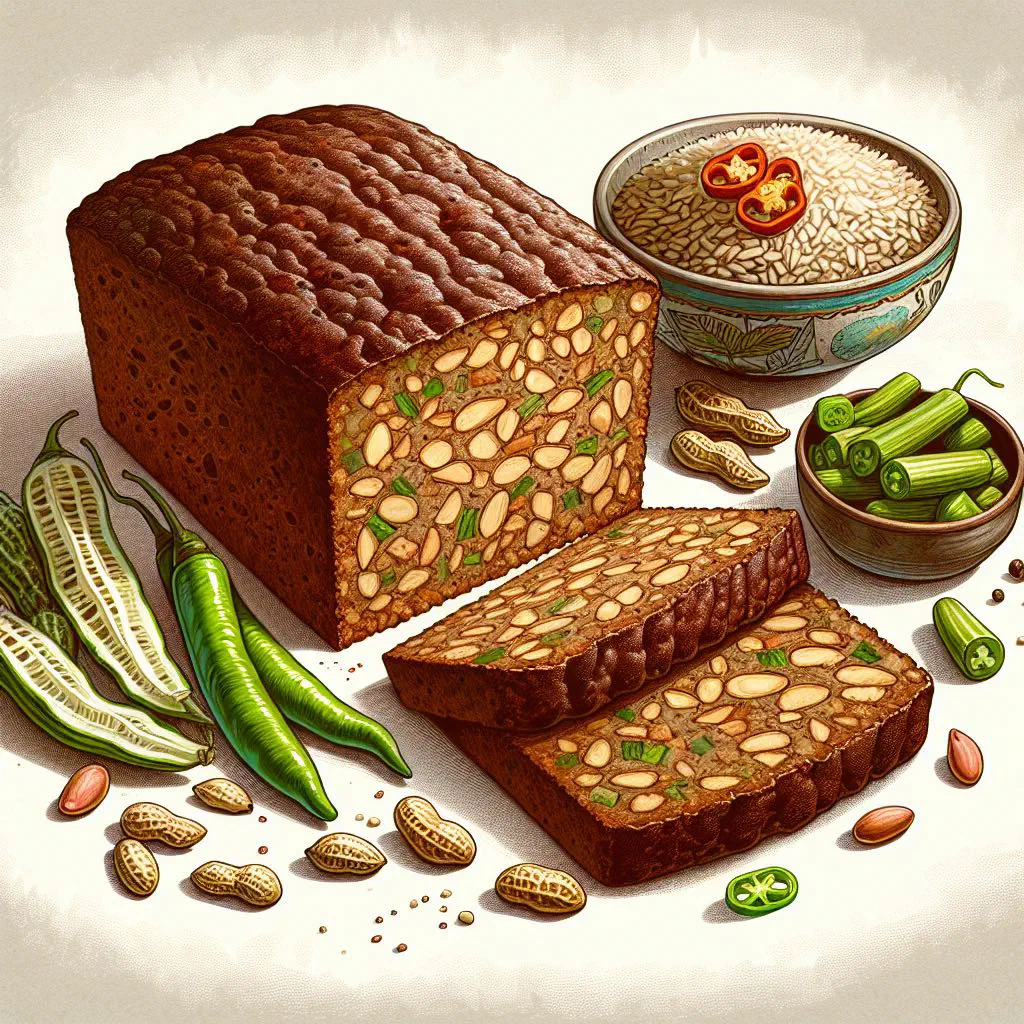
Discover Chikanda, a wonderfully simple snack from São Tomé and Príncipe that turns two humble store-cupboard staples into something quietly memorable. Ground peanuts and cassava flour are stirred into a smooth, creamy batter, seasoned with onion and garlic, then baked until firm enough to slice. The result is nutty, savoury and satisfying, a little taste of island life that comes together with almost no fuss at all.
About Chikanda
Chikanda is a traditional dish from São Tomé and Príncipe, celebrated for its deliciously creamy texture. It is made principally from cassava flour and peanuts, which together give it a flavour all of its own. The dish is often rounded out with various spices and additional ingredients to bring even more depth. Chikanda is not only a favourite among locals; it has found admirers well beyond the islands and appears on the menu at many African restaurants.
Ingredients (serves 1–2)
- 200 g cassava flour
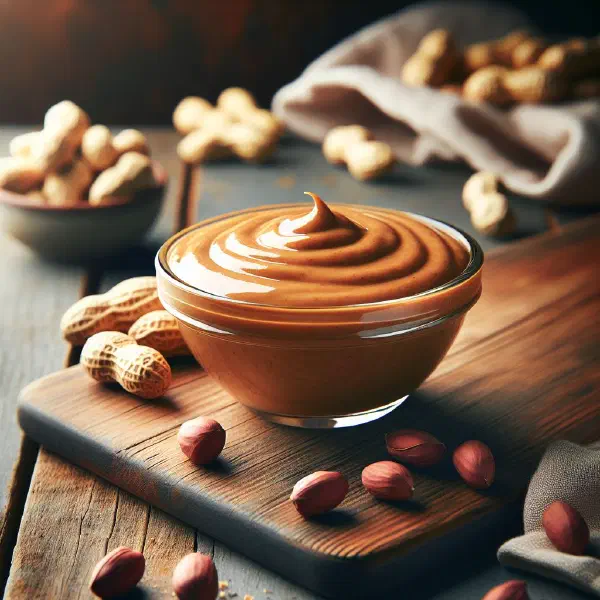
- 100 g peanuts, ground
- 300 ml water
- 1 onion
- 2 cloves of garlic
- 1 teaspoon salt
- 2 tablespoons vegetable oil
- Fresh herbs of your choice (parsley or coriander, for example)
Shopping for the ingredients
Cassava flour is usually stocked by Asian and African grocers. Peanuts can be bought in several forms, and ready-ground peanuts make the preparation considerably quicker. Look out too for fresh onions and garlic, as these are decisive for the flavour of the finished dish. The same well-chosen basics also underpin a good Molho de Amendoim.
Preparing the dish
Before you start making chikanda, it is important to have everything properly prepared. Begin by finely chopping the onion and the garlic. These ingredients improve the dish considerably when they have been prepped well. You should also have the ground peanuts to hand, since they go straight into the mixture.
Step-by-step instructions
- Bring the water to the boil in a saucepan.
- Add the cassava flour and the ground peanuts, stirring constantly until a creamy consistency forms.
- Stir in the onion, garlic and salt and mix thoroughly.
- Transfer the mixture to a greased tin and bake in a preheated oven at 180 °C for about 30 minutes.
- Take the finished chikanda out of the oven, let it cool a little, then cut it into pieces.
Gluten-free / lactose-free version
Chikanda is naturally gluten-free, since it is made with cassava flour. That makes it an excellent option for anyone with a gluten intolerance. There is also a wide choice of vegetable oils that are entirely lactose-free. Simply avoid adding any dairy products and the dish stays lactose-free from start to finish.
Tips for vegans and vegetarians
For vegans, chikanda is an ideal dish, as it contains nothing but plant-based ingredients. You can ring the changes by stirring extra vegetables into the mixture, which adds useful nutrients and makes the dish more interesting still. Experiment with different herbs and spices to tune the flavour to your own liking, the same approach that works so well with Legumes ao Vapor.
More tips and tricks
A feel for the right consistency is the key to a successful chikanda. If the mixture is too thick, add a little more water until you reach that desired creamy texture. Let the mixture cool sufficiently before it goes into the oven so that it bakes evenly. Play around with baking times and temperatures until you find the version that suits your taste best.
Adapting the recipe to your taste
To tailor chikanda to your own preferences, try adding different spices or aromatics. A pinch of pepper or chilli, for instance, gives the dish a welcome touch of heat. Experimenting with different kinds of nuts can also produce interesting results. Give your creativity free rein and you will soon find your personal favourite version of chikanda.
Ingredient substitutions
If you do not have certain ingredients to hand, there are alternatives that will not compromise the flavour of your chikanda. Instead of cassava flour you can use rice flour, which is likewise gluten-free, while boiled cassava itself shines in Mandioca Cozida. In place of the peanuts, almonds or other nuts make a good substitute. Just be prepared to adjust the texture and seasoning accordingly.
Drink pairing ideas
Chikanda pairs beautifully with all sorts of drinks. A good soft option such as freshly pressed juice or coconut water complements the dish wonderfully. If you prefer something alcoholic, a light white wine or a fruity cocktail works well. Whatever you choose, aim for a drink that supports rather than overwhelms the flavour of the chikanda.
Serving and presentation ideas
A few simple touches will lift the presentation of chikanda considerably. Serve it in an attractive bowl and garnish with fresh herbs such as parsley or coriander. A colourful salad on the side makes the whole spread more inviting, and a mango-based one like Salada de Manga adds real brightness. Serving the chikanda alongside a variety of vegetables brings yet another splash of colour to the plate.
A bit of history
The roots of chikanda run deep into the culture of São Tomé and Príncipe. For a long time the dish was valued by islanders as a staple food, and today it forms part of the national identity. Chikanda has evolved with the times, yet it is still prepared and enjoyed in the traditional way. Many locals have their own family recipes, passed down from one generation to the next, much as they are throughout São Toméan cuisine.
More recipe ideas
Summary: Chikanda
Chikanda is an exceptional dish that embodies the flavours and traditions of São Tomé and Príncipe. Simple to make yet thoroughly delicious, it offers not just enjoyment but plenty of scope for creative adaptation. Chikanda promises pleasure for every palate. Give it a go and taste one of the treasures of the African continent.