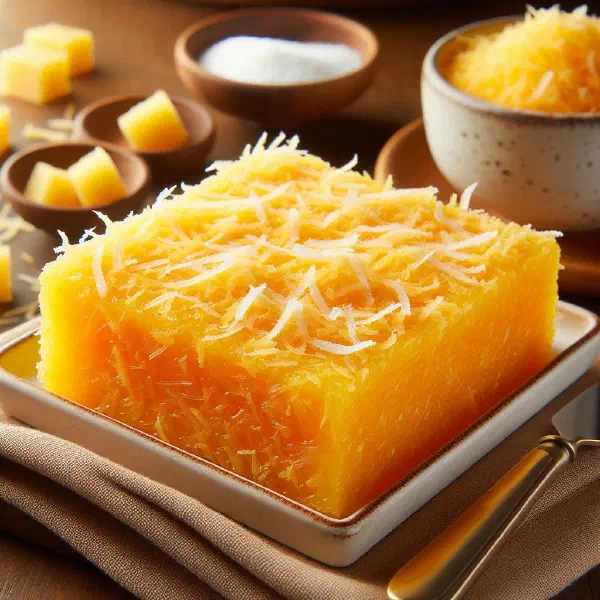
National Dish São Tomé and Príncipe: Doce de Coco (Recipe)
In this article
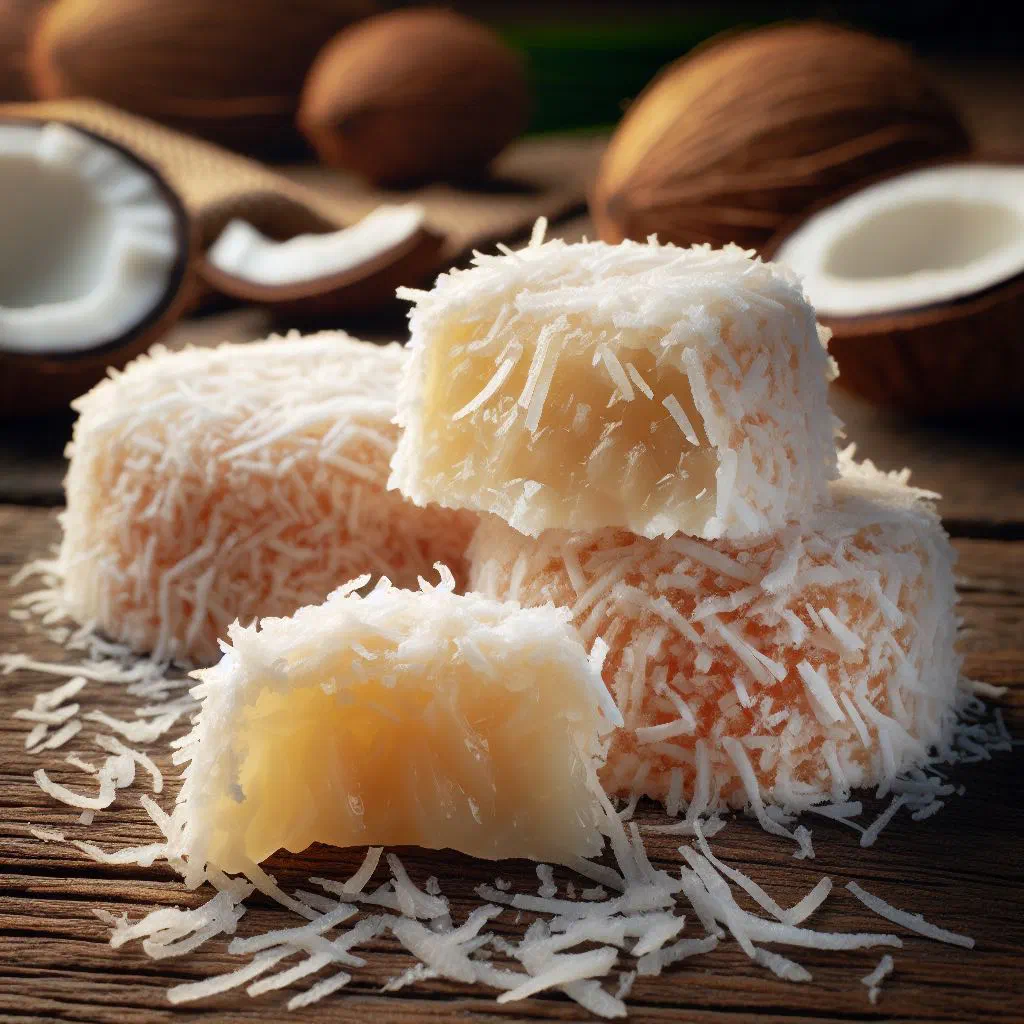
Discover Doce de Coco, the sweet, sun-soaked coconut confection that captures the tropical soul of São Tomé and Príncipe. Made from little more than freshly grated coconut and sugar, it is cooked down into a thick, sticky mass and cut into bite-sized pieces. The scent alone, warm, nutty and faintly caramelised, is enough to transport you to an island shaded by palm trees. Best of all, it takes barely twenty minutes from pan to plate.
About Doce de Coco
Doce de Coco is a traditional Lusophone dessert made from fresh coconut and sugar, beloved right across the Portuguese-speaking tropics and firmly at home on São Tomé and Príncipe, where coconut palms line almost every beach. Its sweet, creamy texture makes it a genuine treat for anyone who loves coconut. The recipe is straightforward to follow and brings a piece of island culture directly into your kitchen. Let the appealing aroma and the rich flavour of this dessert win you over.
Ingredients (serves 1–2)
- 200 g fresh coconut, grated
- 150 g sugar
- 100 ml water
- 1 pinch of salt
- 1 teaspoon vanilla extract (optional)
Shopping for the ingredients
To make doce de coco you will need fresh coconut, which you can find in Asian, African or Latin American grocers. Sweetened desiccated coconut works as a substitute, but freshly grated coconut gives the dessert a far more authentic flavour. Choose a good-quality sugar to bring out the sweetness properly. The water is there for the syrup that forms as the mixture cooks and binds the coconut together.
Preparing the dish
Before you start, set out all your ingredients and grate the coconut if you are using it fresh. If grating a whole coconut is more work than you fancy, ready-grated versions do the job perfectly well. It is worth weighing the ingredients accurately, since the balance of sugar to coconut determines the final texture. Good preparation keeps the cooking process smooth and efficient, the same principle that makes something like Bolo de Coco come together so easily.
Step-by-step instructions
- Bring the water and sugar to the boil in a saucepan, stirring until the sugar has dissolved completely.
- Add the grated coconut and a pinch of salt, then mix thoroughly.
- Cook over a low heat, stirring constantly, until the mixture turns thick and sticky (about 10–15 minutes).
- Optional: stir in the vanilla extract and combine well.
- Pour the mixture onto a baking tray lined with greaseproof paper and spread it out evenly.
- Leave to cool, then cut into small pieces to serve.
Gluten-free / lactose-free version
The recipe for doce de coco is naturally gluten-free and lactose-free. Fresh coconut and sugar can be used without a second thought, giving you a delicious dessert that suits people with particular dietary requirements. Just check that the other ingredients, such as the vanilla extract, are certified gluten-free as well. That way you can be confident the sweet is safe for everyone at the table.
Tips for vegans and vegetarians
Doce de coco is a fantastic choice for vegans and vegetarians, since every ingredient is plant-based. You can adapt the recipe easily by swapping the sugar for an alternative sweetener such as agave syrup, without losing any of the flavour. Do make sure the vanilla extract is vegan too, so the recipe stays entirely free of animal products. With those small adjustments you have a thoroughly satisfying vegan dessert.
More tips and tricks
For a perfect doce de coco, stirring constantly while it cooks is essential to stop the mixture catching on the base of the pan. You can also vary the texture to taste by using a little more or less water. If you like things especially sweet, adjust the sugar accordingly. Try folding in extras such as nuts or dried fruit to give the dessert an interesting twist.
Adapting the recipe to your taste
Doce de coco is remarkably versatile and easy to shape to your own preferences. If you like it darker, stir in unsweetened cocoa powder for a chocolate version. For a fruity note, work pieces of pineapple or mango through the mixture, much as tropical fruit lifts a Salada de Manga.
Ingredient substitutions
Instead of fresh coconut you can use freeze-dried coconut, which often carries a more concentrated flavour. For a sugar-free version, try stevia or erythritol in place of the sugar. The vanilla extract can also be swapped for almond or orange extract to create a completely new flavour direction. Experiment with the alternatives until you find your ideal version of doce de coco.
Drink pairing ideas
A refreshing drink such as a coconut water cooler or a fruity lemonade is the natural partner for doce de coco. Coffee or tea also works beautifully, balancing the sweetness of the dessert and echoing the nutty notes of the coconut. For a touch of tropical flair, a cane spirit cocktail underlines the island character of the sweet. Think about what your guests are likely to enjoy most and choose accordingly.
Serving and presentation ideas
To present your doce de coco attractively, arrange the pieces on a colourful plate and garnish with fresh fruit. Coconut shavings or mint leaves make excellent decorative touches. For something special, tuck the little squares into a pretty paper bag or a glass jar and offer them as a gift. Presentation makes a real difference, so let your imagination run free.
A bit of history
Doce de coco travelled with the Portuguese across the Atlantic and took root wherever coconut palms grew, from Brazil to the islands of the Gulf of Guinea. On São Tomé and Príncipe it is served at festive occasions and celebrates the connection between the islanders and the tropical raw materials on their doorstep. Its simple ingredients and quick preparation have made it a fixture in countless households. Coconut is also associated with purity and fertility, which lends the sweet a symbolic weight within São Toméan cuisine.
More recipe ideas
Summary: Doce de Coco
Doce de coco is a simple, delicious dessert that brings the flavours of the tropics into your home. With only a handful of ingredients and a short spell at the stove, you can create a sweet moment that family and friends will love. This dessert is a pleasure that never grows old. Give it a try and see for yourself how much flavour can fit into a few small squares.