National Dish São Tomé and Príncipe: Feijão com Óleo de Palma (Recipe)
In this article
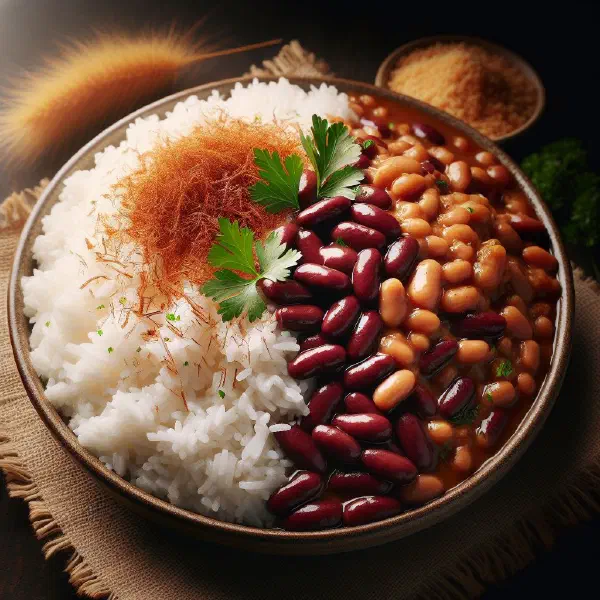
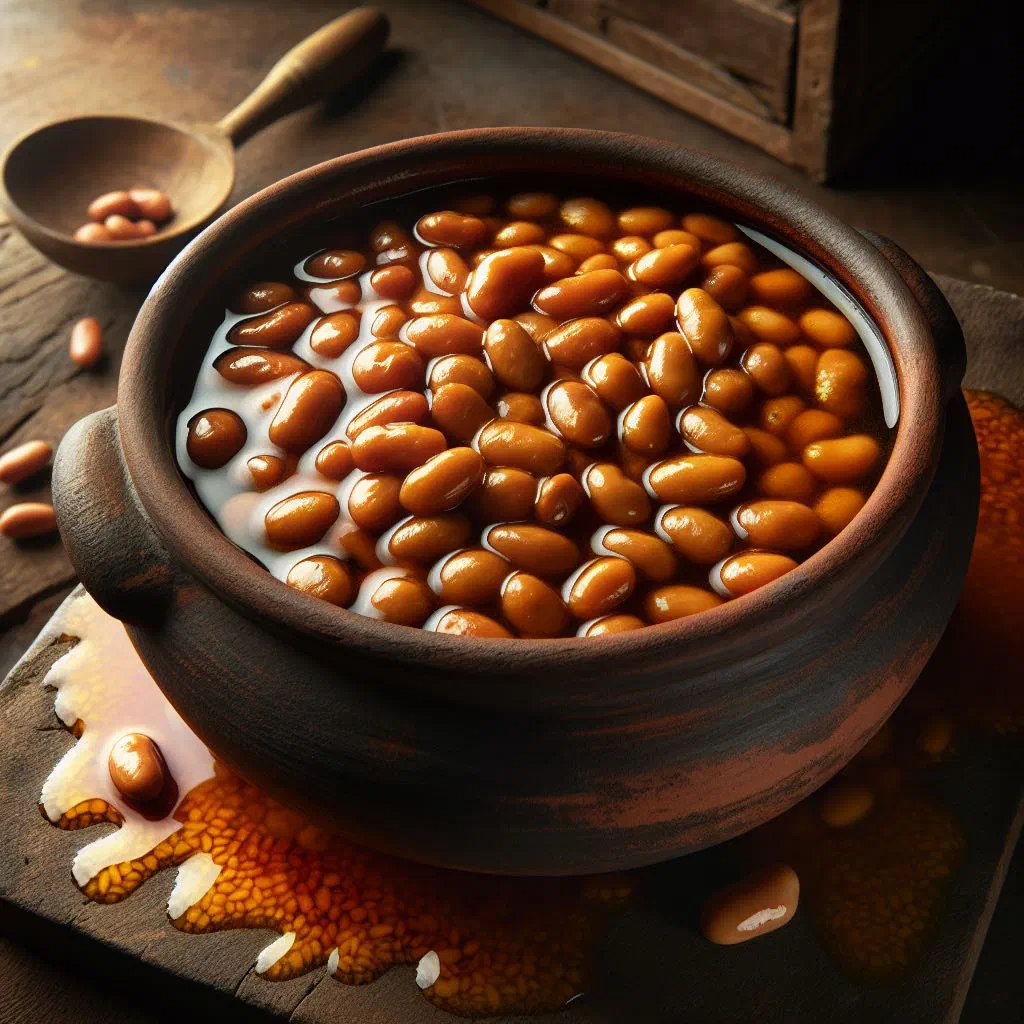
Meet Feijão com Óleo de Palma, the deeply satisfying bean dish that sits at the heart of cooking on São Tomé and Príncipe. Tender black beans simmered in glossy red palm oil, sweetened by slowly caramelised onions and lifted by garlic and bay, it is nourishing island food at its most honest. Every spoonful carries something of the sun, the sea and the layered history of these two small islands off the coast of Central Africa.
About Feijão com Óleo de Palma
The national dish of São Tomé and Príncipe, Feijão com Óleo de Palma, wins people over with its distinctive aroma and its generous use of palm oil. This bean dish is rich in nutrients and in tradition, drawing directly on the culinary heritage of the two islands. The combination of plump black beans and the unmistakable flavour of red palm oil is widely regarded as the very essence of the local kitchen. A single bowl tells stories of sunshine, the ocean and the deep cultural roots of the islanders.
Ingredients (serves 1–2)
- 200 g black beans
- 2–3 tablespoons palm oil
- 1 onion, chopped
- 2 cloves of garlic, crushed
- 1 bay leaf
- Salt and pepper to taste
- Fresh herbs to garnish (coriander works well)
Shopping for the ingredients
For an authentic Feijão com Óleo de Palma it is worth tracking down the right ingredients. Black beans are stocked by most supermarkets and by specialist delicatessens. Fresh, unprocessed produce always gives the fullest flavour, so choose carefully. Red palm oil can be ordered from online shops or picked up at African and international grocers, which are also good sources for spices and fresh herbs.
Preparing the dish
Before you start cooking, the beans need to soak. This ensures they cook evenly and reach the right creamy consistency. Leave them in plenty of cold water for at least four hours, or overnight for the best results. Careful preparation of the aromatics matters just as much: chop the onions finely and crush the garlic so their flavours release properly into the oil.
Step-by-step instructions
- Drain the soaked beans, put them in a pan with fresh water and bring to the boil.
- After ten minutes, reduce the heat and add the bay leaf.
- Fry the onions and garlic in the palm oil in a separate pan until golden brown.
- Add the cooked beans to the onion and garlic mixture and stir well.
- Season with salt and pepper and let everything simmer gently for a few minutes.
- Garnish with fresh herbs just before serving.
Gluten-free / lactose-free version
One of the great advantages of this dish is that it is naturally gluten-free and lactose-free. That makes it an excellent choice for anyone with intolerances or particular dietary needs. Use good-quality, natural ingredients throughout and the flavour will look after itself. With no dairy and no gluten-containing additions, the dish stays aromatic and pleasantly light, much like a bowl of Legumes ao Vapor.
Tips for vegans and vegetarians
Feijão com Óleo de Palma is entirely plant-based, so it suits vegans and vegetarians without any adjustment at all. To boost the protein content further, stir in cooked quinoa or some cubed tempeh. Fresh vegetable or pulse-based side dishes push the nutritional value higher still. Warm spices such as cumin or paprika can be added to deepen the flavour if you like a bolder result.
More tips and tricks
Good technique is everything with this recipe. To draw out the full character of the beans and the oil, fry the onions patiently until they caramelise properly. Take care not to mash the beans too vigorously, so they hold their shape rather than collapsing into a purée. A squeeze of lemon juice just before serving adds a welcome touch of freshness.
Adapting the recipe to your taste
The recipe adapts easily to personal preference. If you like heat, add fresh chillies or season with chilli powder. For a rounder, slightly sweeter note, stir in a little tomato sauce or some roasted peppers. You can also bulk the dish out with whatever seasonal vegetables are good locally, in the same spirit as a hearty Caril de Legumes.
Ingredient substitutions
If some ingredients prove hard to find, there are plenty of alternatives. Kidney beans or white beans can stand in for black beans without any trouble. The palm oil can be replaced with olive oil, though the flavour will head in a different direction. Walnut oil is another interesting option, lending the dish a gentle nutty character.
Drink pairing ideas
A range of drinks works beautifully alongside Feijão com Óleo de Palma. A fresh fruit juice, passion fruit or pineapple in particular, complements the flavours perfectly. A lightly chilled beer is another good match and underlines the seasoning nicely. For an alcohol-free option, a mint lemonade is refreshing and easy to make.
Serving and presentation ideas
Presentation lifts the whole experience considerably. Serve the dish in an attractive, colourful bowl and garnish it with fresh herbs or edible flowers. Crusty bread or a selection of savoury snacks on the side makes for an appealing spread; Bolinhos de Mandioca are a particularly good partner. Thoughtful plate arrangements and creative serving suggestions do the rest.
A bit of history
Feijão com Óleo de Palma reflects the culinary history of São Tomé and Príncipe, which brings together African and European influences. Slow-cooked bean preparations are a centuries-old tradition that took firm root on the islands. The use of palm oil as a central ingredient has deep cultural significance too, having played an important role since colonial times. That makes the dish not only delicious but a genuine piece of history within São Toméan cuisine.
More recipe ideas
Summary: Feijão com Óleo de Palma
Feijão com Óleo de Palma is more than a traditional recipe; it is a direct culinary link to the roots of São Tomé and Príncipe. Fresh aromatics and balanced seasoning create a flavour experience you will not find anywhere else. Because it is so straightforward to make, it works just as well for an everyday supper as for a celebration. Let the exotic character of this recipe win you over and enjoy a journey into the delicious culinary traditions of the islands.