National Dish São Tomé and Príncipe: Matata de Marisco (Recipe)
In this article
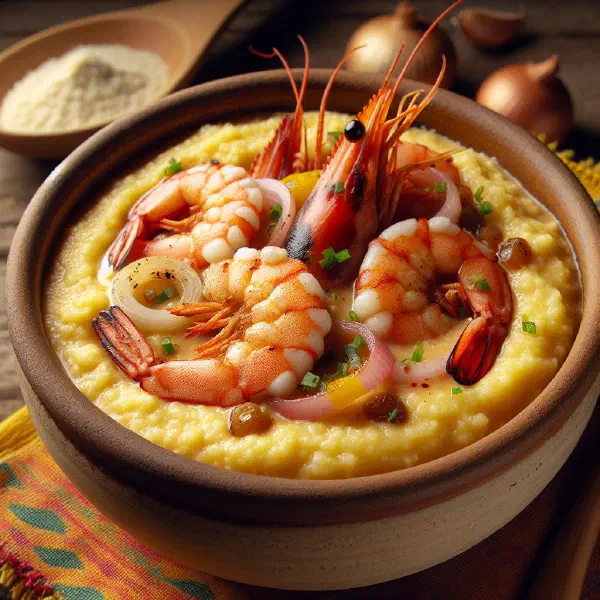
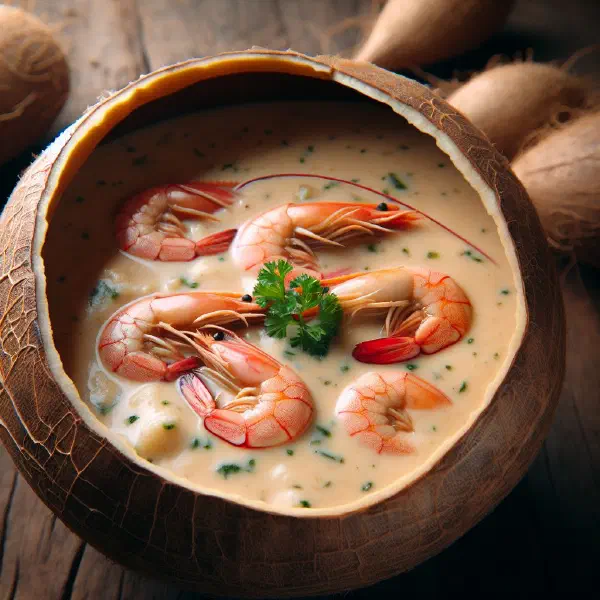
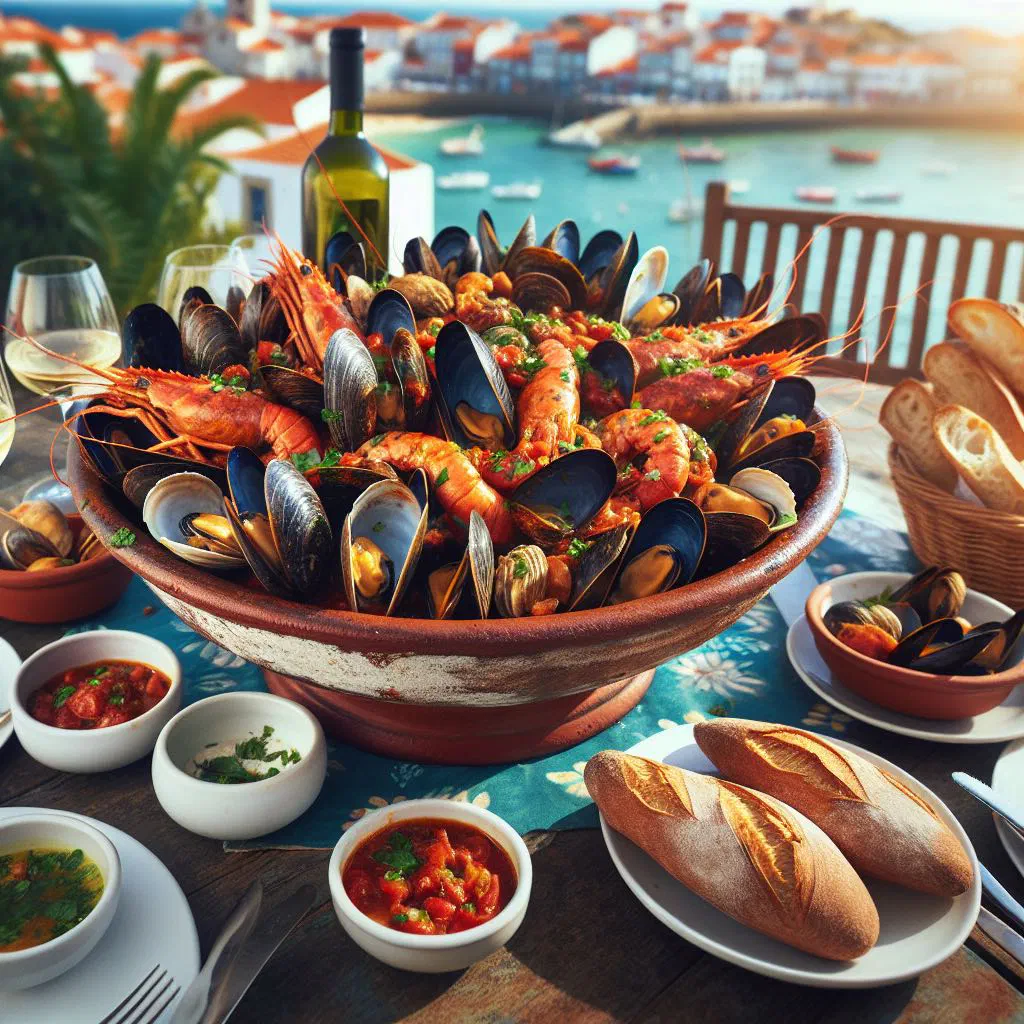
Meet Matata de Marisco, a warming seafood stew that tastes of the Atlantic islands it comes from. Prawns, mussels and firm white fish simmer with onion, tomato and a gentle wash of turmeric, then cornmeal is stirred in until the whole pot turns thick and comforting. It is the sort of dish that needs no fuss and no rare equipment. Just good seafood and half an hour at the stove. One bowl and you are somewhere warm, with the sea a few streets away.
About Matata de Marisco
Matata de Marisco is a traditional dish from São Tomé and Príncipe that shows off the sheer abundance of seafood around these tropical islands. The combination of fresh shellfish and a carefully balanced spice blend gives it a flavour you will not mistake for anything else. The cornmeal base does more than provide a pleasing, spoonable texture. It also makes the dish genuinely nourishing. This is a real tribute to the islands’ culinary heritage and an excellent way into the food of West Africa.
Ingredients (serves 1–2)
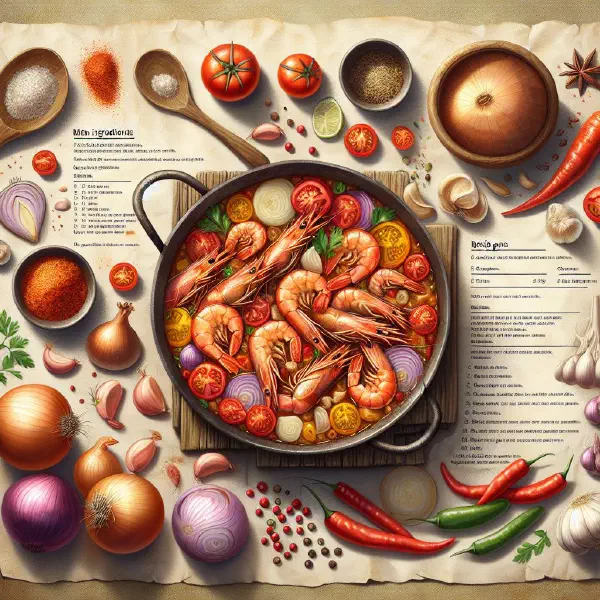
- 200 g fresh seafood (prawns, mussels, fish)
- 100 g cornmeal
- 1 onion, finely chopped
- 2 garlic cloves, chopped
- 1 tomato, diced
- 1 teaspoon paprika
- 1 teaspoon turmeric
- 250 ml water or fish stock
- Salt and pepper, to taste
- Fresh coriander, to garnish
Shopping for the ingredients
To get the full flavour of matata de marisco, it is important to use the freshest possible ingredients. Head to a local fishmonger or fish market for good-quality seafood, and check that the prawns and mussels are genuinely fresh and lively. Vegetables such as onions and tomatoes are usually cheapest and best at a local market, which turns the shopping itself into part of the pleasure, much the same care pays off in a Caldeirada de Peixe.
Preparing the dish
Before you start cooking matata de marisco, lay everything out and prepare it properly. Finely chop the onions and garlic, and cut the tomato into small dice. These small steps keep everything running smoothly once the pan is hot. Do not forget to clean the seafood thoroughly so that no fragments of shell are left behind.
Step-by-step instructions
- Sauté the onions and garlic in a large pan with a little oil until softened.
- Add the diced tomato and cook for a few minutes more.
- Stir in the fresh seafood and cook, stirring, until it is just beginning to turn opaque.
- Add the paprika and turmeric and stir everything through well.
- Pour in the water or fish stock and bring to the boil.
- Rain in the cornmeal, stirring constantly, until the mixture takes on a creamy consistency.
- Season with salt and pepper and let it simmer for a further 5–10 minutes.
- Garnish with fresh coriander just before serving.
Gluten-free / lactose-free version
Matata de marisco is naturally gluten-free, provided the cornmeal you use contains no gluten-bearing additions. All the other ingredients are lactose-free too, which makes it ideal for anyone with lactose intolerance. Simply avoid adding dairy products and the dish stays both gluten- and lactose-free from start to finish. That flexibility makes it a great option when you are cooking for a mix of dietary needs.
Tips for vegans and vegetarians
For a vegan or vegetarian version of matata de marisco, the seafood can be swapped for a mixture of fresh vegetables or tofu. Courgette, peppers and aubergine all stand in beautifully and still bring plenty of depth to the pot, the same approach that works so well in a Caril de Legumes. To echo the flavour of the sea, add a little seaweed or kelp. These variations make the dish not only vegan-friendly but genuinely nutritious.
More tips and tricks
For the best possible flavour, toast the spices briefly before cooking to intensify their aroma. A pinch of chilli is worth adding if you like a bit more heat in the bowl. Experiment with different types of fish to find your own favourite, sea bream and cod both work very well here. Above all, keep the ingredients fresh, because that makes far more difference to the finished dish than anything else.
Adapting the recipe to your taste
The lovely thing about matata de marisco is how easily it bends to what you have. If there are shellfish you dislike or simply cannot get hold of, mussels or a different fish will do the job just as well. Add a wider range of vegetables for a richer texture and to bring the dish closer to your own preferences. Play with the spicing until it tastes right to you, and do not be afraid to be creative.
Ingredient substitutions
If cornmeal is not to your liking or not in the cupboard, rice flour or millet flour will also work here. For a creamier result, stir in some coconut milk, which adds an extra tropical note as well, a trick borrowed from Moqueca de Camarão. Depending on your taste, other aromatic herbs such as tarragon or basil can replace the coriander. Experimenting with substitutions is how you put your own stamp on a traditional recipe.
Drink pairing ideas
A refreshing drink rounds off a meal of matata de marisco nicely. A light white wine or a crisp rosé sits well alongside the flavours of the dish. If you prefer something non-alcoholic, try chilled coconut water or a sparkling lemon cooler. Either choice underlines the tropical mood of the meal and makes it that bit more memorable.
Serving and presentation ideas
To present matata de marisco attractively, colourful patterned plates or rustic wooden boards are a lovely choice. Serve it in a bowl and garnish with fresh herbs for a striking contrast. Adding lime wedges at the edge of the plate is not just good to look at. It complements the flavour too. A little thought about presentation turns any meal into an occasion.
A bit of history
Matata de marisco carries real cultural weight in São Tomé and Príncipe and reflects the traditional cooking of the islands. Fresh seafood is central to the food of this region, unsurprisingly for islands ringed by water. Over the years the dish has been handed down from one generation to the next and has become a symbol of the islands’ hospitality, much like the closely related Matata. Eating it teaches you something about the history of São Toméan cuisine, not just its flavours.
More recipe ideas
Summary: Matata de Marisco
Matata de marisco is a delicious and rather singular way to taste the flavours of São Tomé and Príncipe. The dish brings together fresh seafood and a distinctive blend of spices that lifts the whole eating experience. It leaves a lasting impression on the plate and with your guests. Let its versatility and its aromas tempt you into a small tour to the tropical Atlantic.