National Dish São Tomé and Príncipe: Pudim de Leite (Recipe)
In this article
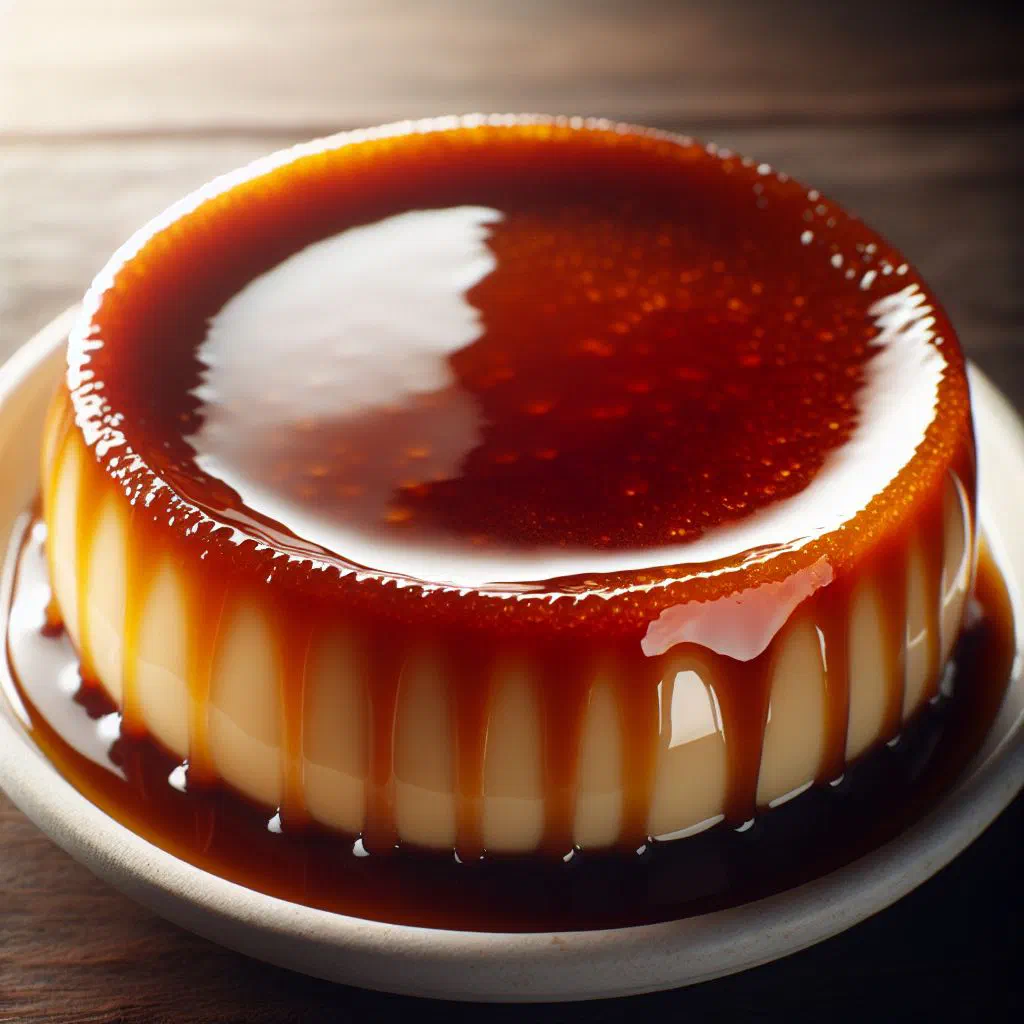
Meet Pudim de Leite, the silky caramel-topped milk pudding that the islands of São Tomé and Príncipe have taken to heart. A handful of everyday ingredients, milk, eggs, sugar and a whisper of vanilla, turn into something that looks and tastes far grander than the effort involved. Set gently in a water bath and chilled until firm, it slips out of its tin under a glossy amber sauce, ready for a celebration table or simply the end of a long, comfortable dinner.
About Pudim de Leite
Pudim de Leite is the national dish of São Tomé and Príncipe and has become an outright favourite among the islands’ desserts. This gentle milk pudding wins people over with its creamy texture and mellow sweetness, and it charms just about every palate it meets. It is straightforward to make and serves beautifully at special occasions or as the crowning finish to a relaxed evening meal. The pairing of humble ingredients with an unmistakable aroma is what makes it such a culinary highlight.
Ingredients (serves 1–2)
- 400 ml milk
- 200 ml condensed milk
- 3 eggs
- 150 g sugar
- 1 teaspoon vanilla extract
Shopping for the ingredients
The ingredients for pudim de leite are easy to find in most supermarkets. Look for fresh eggs and good-quality dairy, as both make a real difference to the finished flavour. Condensed milk, widely stocked in Asian and Latin American grocers, is what gives the dessert its particular sweetness and body. Take a moment over your choices, as with the coconut-rich Doce de Coco, quality here pays back immediately.
Preparing the dish
Getting ready for pudim de leite is uncomplicated and takes very little time. Set out all your ingredients first so the cooking runs smoothly from start to finish. You will also need a suitable baking tin or mould so the dessert sets evenly throughout. With everything laid out, you are ready to move on to the cooking itself.
Step-by-step instructions
- Preheat the oven to 180 °C and prepare a water bath.
- Crack the eggs into a bowl and whisk in the condensed milk, milk and vanilla extract.
- Melt the sugar in a pan until it turns golden brown, then pour the caramel into the mould.
- Pour the milk mixture over the caramel and stand the mould in the water bath.
- Bake for about 45–60 minutes until set, leave to cool, then turn out onto a plate.
Gluten-free / lactose-free version
Pudim de leite adapts to a gluten-free and lactose-free diet with very little fuss. Swap the regular cow’s milk for lactose-free milk or a plant-based alternative such as almond or oat milk. The sugar needs no adjustment at all, as it is naturally gluten-free, and eggs are too. The dessert therefore slots easily into most dietary requirements without losing its character.
Tips for vegans and vegetarians
For a vegan version, replace the eggs with plant-based setting agents such as chia or flaxseed eggs. Use a plant milk like coconut milk to keep that rich, creamy mouthfeel, and swap the condensed milk for a homemade vegan version made from coconut or soya milk. These small changes open the dessert up to everyone at the table while keeping the flavour intact, much the same approach that works for Cocada Amarela.
More tips and tricks
To get the very best from your pudim de leite, try different aromatics such as cinnamon or nutmeg. A pinch of sea salt in the caramel intensifies the whole flavour experience noticeably. Fresh fruit or toasted nuts scattered over the top add a welcome crisp texture against the smooth custard. Play with presentation as well, and you will give your guests something they remember.
Adapting the recipe to your taste
Everyone approaches dessert a little differently. Adjust the sugar in pudim de leite up or down until it suits you. For a deeper, richer note, fold in chocolate chips or experiment with different types of vanilla. The pudding also converts easily into a birthday or holiday centrepiece with a few creative decorations or a special sauce alongside.
Ingredient substitutions
There are plenty of ways to swap ingredients without losing the essence of the dish. Instead of a classic caramel top, a fruit sauce brings a brighter, fresher note, mango or papaya work especially well, as they do in Doce de Papaia. Different creams such as oat cream or soya cream keep the texture just as smooth while shifting the flavour subtly. Creativity is the key to making this dessert your own.
Drink pairing ideas
Pudim de leite sits happily beside a range of drinks. A light white wine or a fruity sparkling wine provides a refreshing counterweight to the sweetness. Alternatively, serve a fresh fruit juice or a milkshake to echo the creamy notes. Try a few combinations and you will soon land on your own favourite pairing.
Serving and presentation ideas
Presentation matters at the end of a meal and can lift the whole experience. Serve pudim de leite in elegant dessert glasses or turned out onto a smart plate so the caramel can pool around it. Decorate with fresh berries, edible flowers or a swirl of cream to finish the look. Your guests will enjoy it with their eyes long before the first spoonful.
A bit of history
Pudim de leite has deep roots in the culture of São Tomé and Príncipe and reflects the simple, generous character of the islands’ cooking. The dessert is a symbol of local tradition and appears regularly at celebrations and family gatherings, alongside hearty staples such as Calulu. It shows how modest ingredients can be transformed into something quietly magical, and its enduring popularity has helped preserve and share the culinary heritage of São Toméan cuisine.
More recipe ideas
Summary: Pudim de Leite
Pudim de leite is more than a dessert; it is a taste of place that captures the culture of São Tomé and Príncipe in a single spoonful. With its creamy consistency and gentle sweetness, it is the natural choice for special occasions. This pudding will impress. Give it a try and let the simplicity and finesse of this island classic win you over.