National Dish São Tomé and Príncipe: Vatapá Santomense (Recipe)
In this article
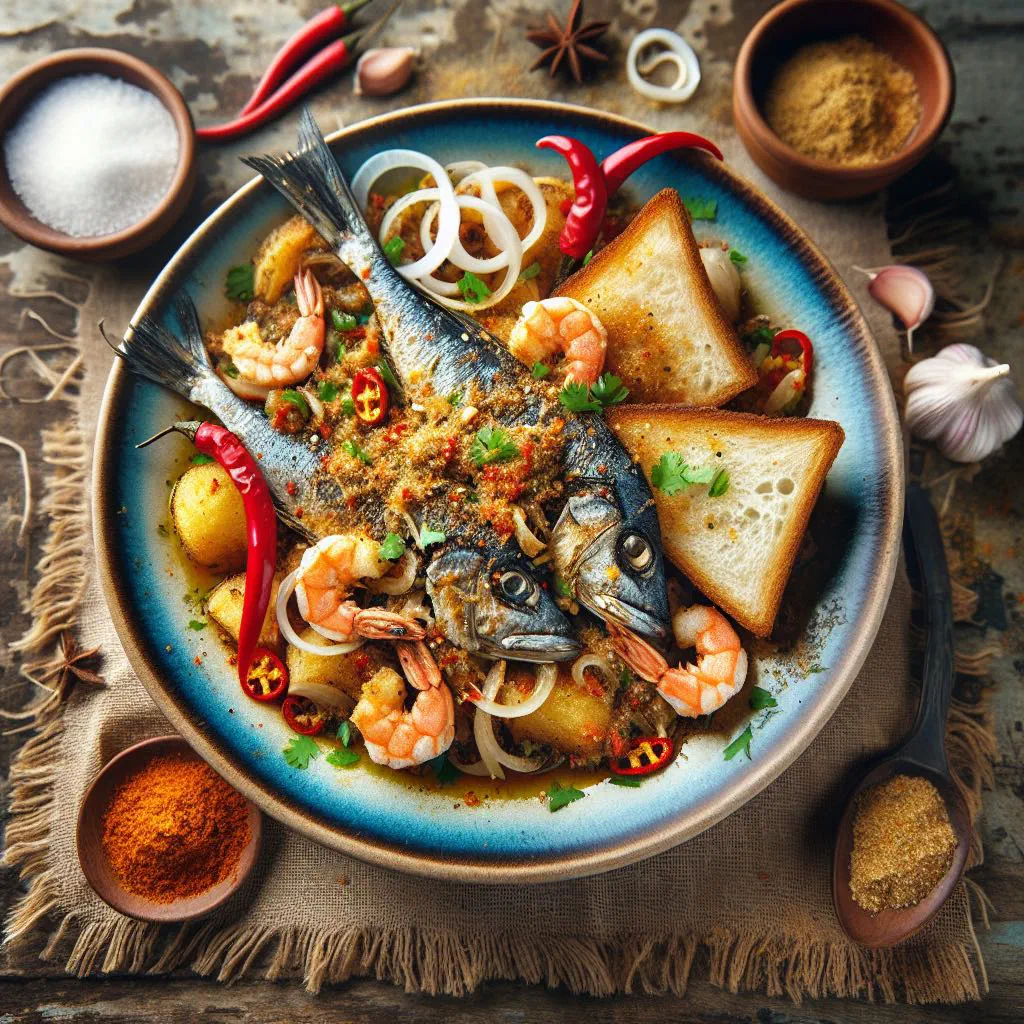
Few dishes capture the warmth of the islands quite like Vatapá Santomense. Fresh fish is folded into a velvety sauce of coconut milk and softened bread, lifted by garlic, ginger and just enough chilli to make things interesting. It is rich without being heavy, fragrant without being fussy, and it comes together in a single pan in well under half an hour. One spoonful and the tropical Atlantic feels a good deal closer than it really is.
About Vatapá Santomense
Vatapá Santomense is a striking national dish from São Tomé and Príncipe, and it reflects the culinary variety of the islands beautifully. At its core sits fresh fish, combined with a generous range of aromatic spices that give the dish its unmistakable character. The creamy texture created by coconut milk and softened bread lends it an exquisite quality that sets it apart from other fish dishes. That harmonious blend is a pleasure for the palate and the senses alike, bringing the tropical atmosphere of the archipelago straight to the plate.
Ingredients (serves 1–2)
- 200g fresh fish (mackerel or sea bream, for example)
- 1 cup coconut milk
- 2 slices stale bread
- 2 cloves garlic, chopped
- 1 onion, finely chopped
- 1–2 red chillies, deseeded and chopped
- 1 teaspoon freshly grated ginger
- 1 tablespoon palm oil or olive oil
- Salt and pepper to taste
Shopping for the ingredients
The ingredients for vatapá santomense are relatively straightforward to source, particularly if you have access to an African or Asian grocery. Fresh fish makes all the difference, so look for a trusted fishmonger who offers good-quality seafood. Choose coconut milk without additives to keep the authentic flavour of the dish intact, the same principle applies to island classics such as Moqueca de Peixe. Most of the remaining items, including onions, garlic and spices, are readily available in any regular supermarket.
Preparing the dish
Before you start cooking, it pays to get all your ingredients ready. Cut the fish into bite-sized pieces and season it lightly with salt and pepper. The bread should be torn into small pieces, which helps build the creamy consistency the dish is known for. Prepare the onions, garlic and chillies too, chopping them finely so they distribute evenly during cooking and release their full flavour.
Step-by-step instructions
- Heat the palm oil in a pan and add the onions, garlic and chillies. Fry the mixture until the onions turn translucent.
- Add the freshly grated ginger and fry everything for a further two minutes.
- Add the pieces of fish to the pan and sear them lightly until just cooked through.
- Pour in the coconut milk and add the bread. Let everything simmer for a few minutes, until the bread has soaked up the liquid.
- Serve the dish hot, garnished with fresh herbs if you like.
Gluten-free / lactose-free version
For a gluten-free version of vatapá santomense, replace the bread with gluten-free bread or with rice. Do check that your spices and coconut milk are certified gluten-free. If you want a lactose-free version, you are already most of the way there: the natural ingredients used here contain no lactose, and coconut milk is lactose-free by nature.
Tips for vegans and vegetarians
For a vegan or vegetarian take on vatapá, swap the fish for a combination of vegetables and tofu. The dish keeps its distinctive character if you add pan-fried vegetables such as peppers, courgette or carrots. The flavour of the coconut milk and the spices carries the dish just as well as in the original, and a plate of Legumes ao Vapor alongside rounds things out nicely. Take care to balance the seasoning so the flavours stay bright.
More tips and tricks
To give vatapá santomense that extra something, consider adding further spices such as turmeric or cumin. Experiment with the quantity of chillies as well, so you can dial the heat up or down to your own taste. A pinch of sugar can help intensify the aromas and balance the heat. Above all, avoid overcooking the fish, a minute too long and it turns dry.
Adapting the recipe to your taste
One of the great strengths of vatapá santomense is its versatility. You can adjust the recipe to your own preferences with ease, trying different varieties of fish or adding seasonal vegetables. The choice of spices can vary too, so there are always new flavour directions waiting to be discovered. Do not be afraid to be creative and bring your own touch to the pan until the dish suits you exactly.
Ingredient substitutions
There are several alternatives available should one of the ingredients prove hard to find. Instead of coconut milk you can use a mixture of soya and almond milk, though this will alter the flavour slightly. In place of palm oil, olive oil or another vegetable oil works perfectly well and is the lighter option, much as it is in Peixe ao Molho de Tomate. What matters is preserving the core character of the dish: the spice blend and the creamy base structure.
Drink pairing ideas
A number of drinks work beautifully with vatapá santomense and underline its flavours. A fresh African fruit cocktail or a glass of tropical juice with pineapple and mango makes a lovely accompaniment. Light white wines or simply sparkling water are equally well suited to balancing the richness of the sauce. For those who prefer to keep things alcohol-free, teas such as ginger or peppermint are a refreshing choice.
Serving and presentation ideas
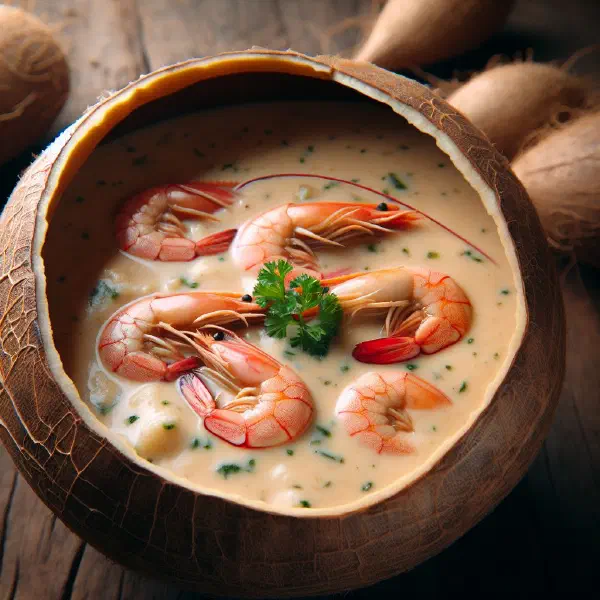
The presentation of your vatapá santomense should mirror the tropical character of the dish. Serve it on a brightly coloured plate, or in a coconut shell for a genuinely authentic flourish. A garnish of fresh herbs such as coriander or basil gives the dish an inviting look. Remember to play up the colours by serving it with seasonal vegetables, and perhaps a sweet finish such as Doce de Coco to close the meal.
A bit of history
Vatapá santomense is a dish that reflects the rich cultural history of São Tomé and Príncipe and the lasting influence of the colonial era. The use of coconut milk and particular spices points to both African and Portuguese roots, a culinary combination born of cultures meeting on the islands. Today vatapá is known well beyond its homeland, celebrated internationally for its delicious aromas and standing as one of the finest examples of São Toméan cuisine.
More recipe ideas
Summary: Vatapá Santomense
In short, vatapá santomense is a unique and delicious dish that unites the flavours and traditions of São Tomé and Príncipe to perfection. With its blend of fresh fish, aromatic spices and creamy consistency, it quickly becomes a firm favourite. It offers an intense taste experience and plenty of room for variation to suit different diets. Let the aromas of vatapá inspire you and celebrate the culinary identity of these beautiful islands.