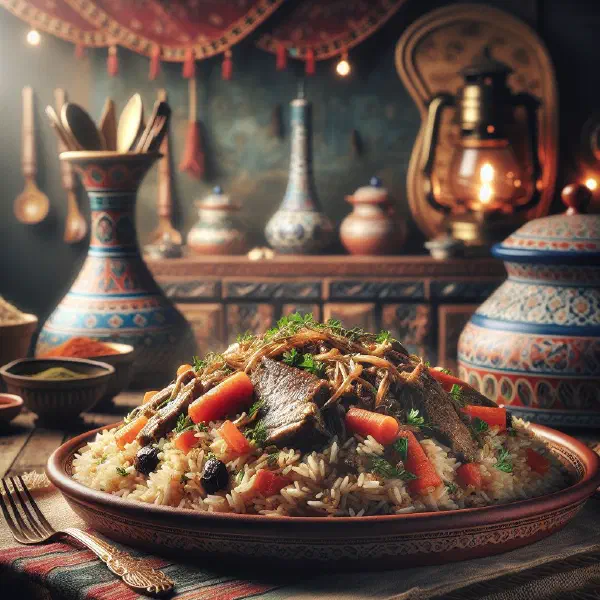
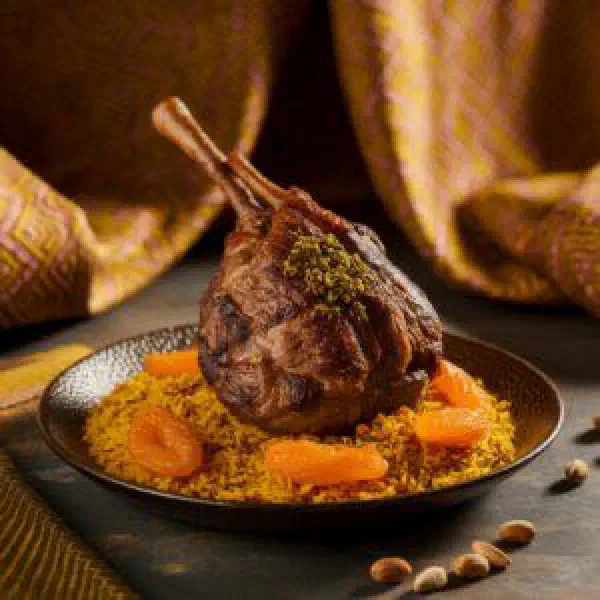
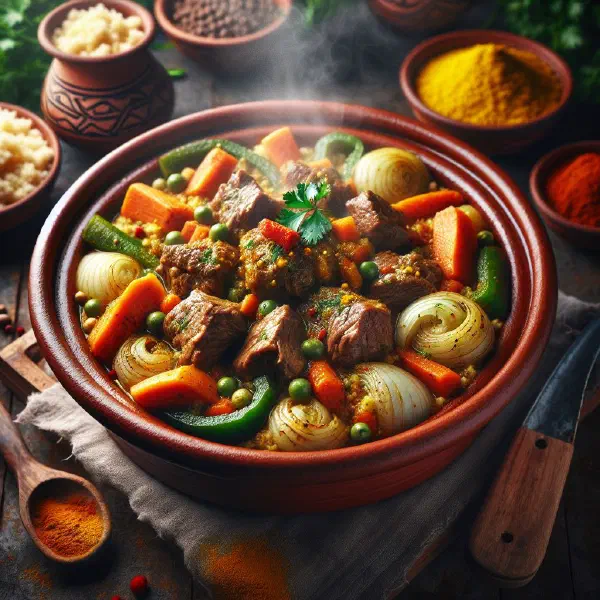
National Dish Saudi Arabia: Jareesh Lahm (Recipe)
In this article
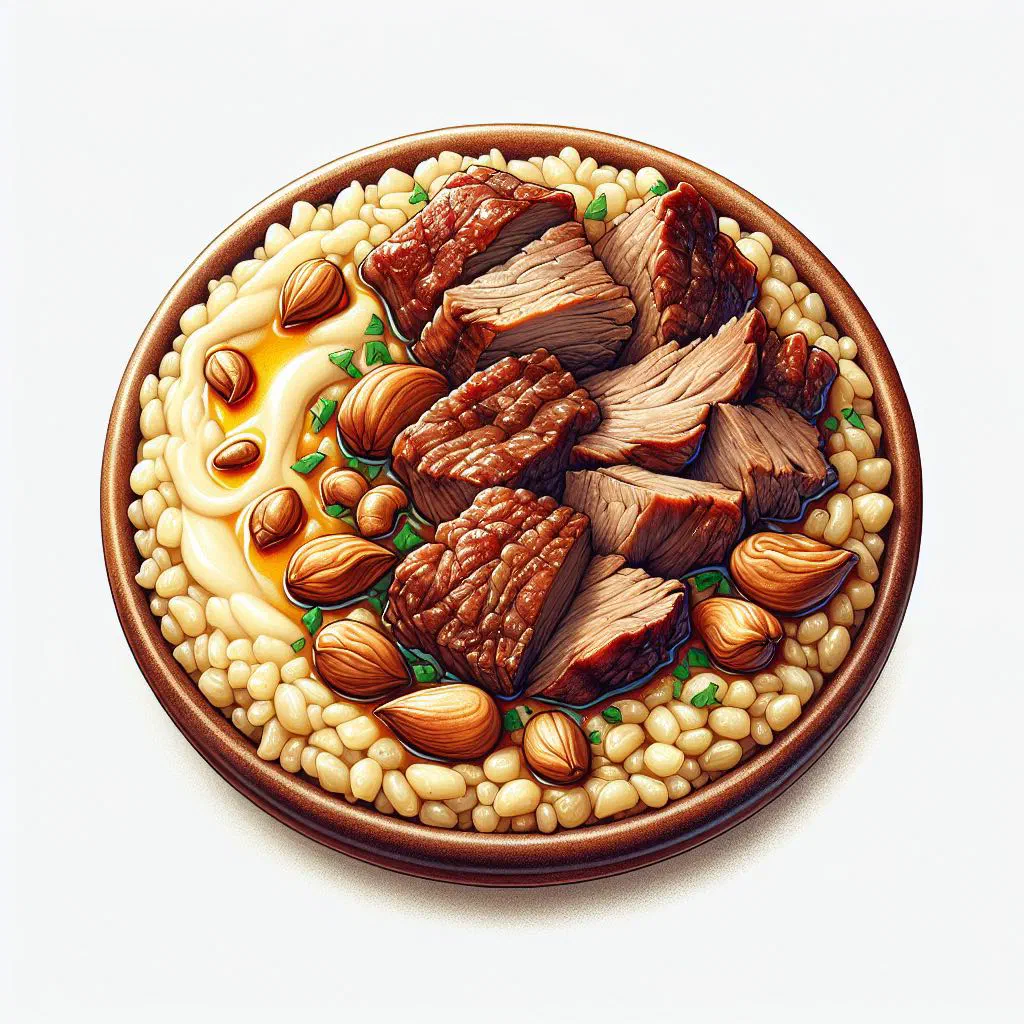
Meet Jareesh Lahm, a warming Saudi classic that turns humble cracked wheat into something truly special. Simmered slowly with tender lamb and gentle spices, it delivers the kind of soft, porridge-like comfort that graces family tables and festive gatherings alike. Fragrant with cinnamon and cardamom, this is home cooking at its most soulful, a dish that carries the flavours and hospitality of Arabia straight into your own kitchen.
About Jareesh Lahm
Jareesh Lahm is a time-honoured dish from Saudi Arabia, served in countless households as a much-loved delicacy. It brings together the mellow flavour of cooked wheat grains with succulent meat and delicate spices. The preparation has a long history and is often tied to festive occasions and family celebrations. Jareesh Lahm is wonderfully nourishing and a genuine treat for the senses, evoking warm memories of home with every spoonful.
Ingredients (serves 1–2)
- 1 cup cracked wheat (jareesh)
- 200 g lamb or beef
- 1 onion, diced
- 2 tablespoons olive oil
- 1 teaspoon salt
- 1 teaspoon pepper
- 2 teaspoons mixed spices (such as cinnamon and cardamom)
- 4 cups water
Shopping for the ingredients
When shopping for Jareesh Lahm, it is worth choosing high-quality ingredients to get the very best flavour. The cracked wheat is available in most supermarkets or in specialist Middle Eastern grocery shops. Look for fresh meat from a trusted source to guarantee the quality of your dish. Spices play a decisive role here, so check that your herbs and spices are fresh to bring out their full aroma.
Preparing the dish
Before you start cooking Jareesh Lahm, rinse the cracked wheat thoroughly and, ideally, soak it overnight. This shortens the cooking time and helps the dish turn beautifully creamy. Prepare the meat as well by cutting it into small pieces, and dice the onion. Good preparation makes the whole cooking process easier and ensures that everything comes together in harmony.
Step-by-step instructions
- Heat the olive oil in a large pot and gently sauté the onion until translucent.
- Add the meat and brown it lightly on all sides.
- Stir in the soaked cracked wheat and pour in the water.
- Season with salt, pepper and spices, then bring to the boil.
- Reduce the heat and let the dish simmer for around 1–2 hours, until the meat and wheat are tender.
- Stir now and then, adding a little more water if needed.
- Serve the dish hot in a bowl, garnished to taste.
Gluten-free / lactose-free version
The good news is that Jareesh Lahm can be adapted to be gluten-free if you swap the wheat for a suitable alternative. Naturally gluten-free grains work well in place of the cracked wheat, so the dish still suits those with a gluten intolerance. There is no lactose in this recipe, which means it is easy to enjoy for anyone who is lactose-intolerant. If you like, use plant-based oils or a splash of vegetable stock to add extra depth of flavour.
Tips for vegans and vegetarians
For a vegan or vegetarian version of Jareesh Lahm, replace the meat with pulses such as chickpeas or lentils. These provide plenty of protein and keep the dish just as satisfying. Aromatic vegetables like carrots or peppers can be added for an extra layer of flavour, much as in a hearty Arabian Lentil Pilaf. Do not forget to adjust the spices to taste, as the aroma plays such a central role in plant-based cooking.
More tips and tricks
A key tip for Jareesh Lahm is to cook it slowly. The more time you give the dish, the more intense the flavours become. If you are short on time, a pressure cooker makes a great alternative and cuts the cooking time considerably. You can also play with variations in the spicing and adjust the ingredients to your own taste to create a recipe that is entirely your own. In the end, there are no limits to your creativity in the kitchen.
Adapting the recipe to your taste
Everyone has their own preferences when it comes to a good meal. When making Jareesh Lahm, you can change the type of meat you use, whether beef, lamb or even poultry, it all tastes delicious. A clear, light broth can also be used to give the dish more depth. Experiment with different vegetables to add variety and boost the nutritional value, just as you might in a fragrant Kabsa.
Ingredient substitutions
If some ingredients are not to hand, there are plenty of alternatives you can use. Instead of wheat, for example, you could try quinoa or amaranth for a gluten-free option, or turn to freekeh as in a comforting Ferek. Lamb and beef can be replaced with tofu or seitan, which makes the dish appealing to vegans. The spices, too, can be adjusted according to what you have available, so you can keep creating new flavours.
Drink pairing ideas
To round off the experience of Jareesh Lahm, several drinks pair beautifully with it. Traditional options such as mint tea or refreshing yoghurt drinks harmonise wonderfully with this dish. A light, sparkling water with slices of lemon or lime can be a refreshing addition too. If you prefer something with a little more character, a dry wine can offer an interesting combination.
Serving and presentation ideas
An appealing presentation makes even the simplest dish feel special. Serve Jareesh Lahm in a handsome ceramic bowl or on a rustic wooden board to create an inviting atmosphere. You can garnish the dish with fresh herbs or a scattering of toasted nuts to improve the texture.
A bit of history
Jareesh Lahm has its roots deep in Saudi culture, drawing on centuries of tradition. This dish was often prepared for festive occasions and brings the family together around the table. It is regarded as nourishing and as a symbol of hospitality and sharing. The recipes have evolved over time, yet they still reflect the essential elements of Saudi cuisine and its generous spirit.
More recipe ideas
Summary: Jareesh Lahm
In summary, Jareesh Lahm is a versatile and flavoursome dish that holds a special place in Saudi cuisine. With its simple ingredients and heartfelt preparation, it brings great taste and tradition to the table. Whether for a festive occasion or a cosy family meal, this dish never fails to please. Give it a try and let the flavours and culture of Saudi Arabia work their magic.