National Dish Saudi Arabia: Jareesh (Recipe)
In this article
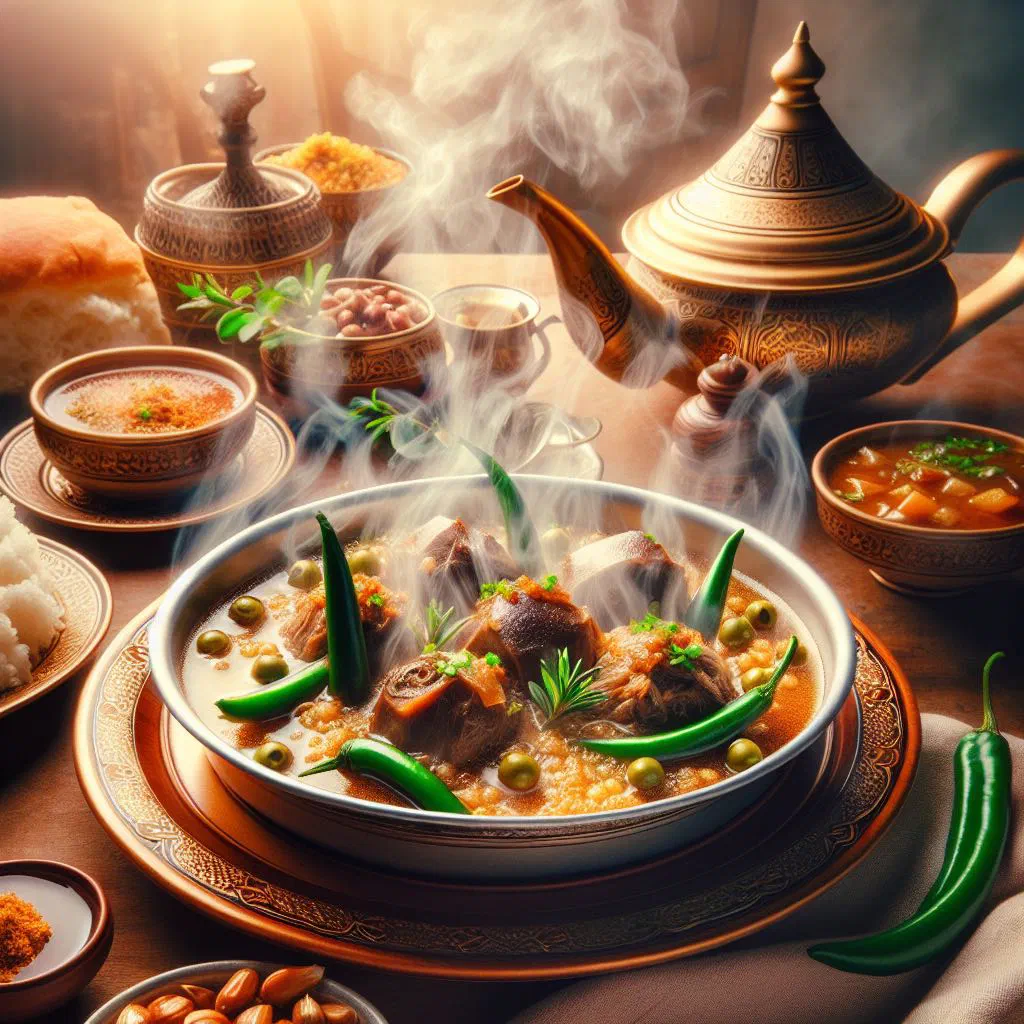
Meet Jareesh, a comforting Saudi classic built around slow-cooked cracked wheat and tender meat. Warmed through with cumin, coriander and a rich swirl of ghee, it simmers gently until it turns thick, creamy and deeply satisfying. A staple during Ramadan and family celebrations, this humble dish carries centuries of tradition in every spoonful. Bring the warm, homely flavours of the Arabian Peninsula straight to your own kitchen.
About Jareesh
Jareesh, also known as harees, is a traditional Saudi dish that has been treasured for centuries. It is made chiefly from cracked wheat and meat, often enriched with a generous blend of spices. The grains are cooked low and slow until they break down into a soft, porridge-like texture that is both hearty and nourishing. Especially popular during Ramadan and at special occasions, jareesh is a cornerstone of home cooking and festive tables alike across the region.
Ingredients (serves 1–2)
- 1 cup cracked wheat (jareesh)
- 200 g chicken or lamb
- 1 large onion, finely chopped
- 2–3 cloves garlic, crushed
- 4 cups water or stock
- 1 teaspoon ground coriander
- 1 teaspoon ground cumin
- 1 teaspoon salt
- 1/2 teaspoon pepper
- 2 tablespoons ghee or vegetable oil
- Fresh parsley or coriander, to garnish
Shopping for the ingredients
Most of the ingredients for jareesh are easy to find in a regular supermarket. It can, however, be worth visiting a Middle Eastern or international grocery to track down good-quality cracked wheat and the right spices. Choose fresh onions and garlic, and look for whole spices that you can grind at home for the fullest flavour. If your local shops fall short, many of these items, including the wheat itself, can also be ordered online.
Preparing the dish
Before you start cooking, make sure everything is prepped and within easy reach. Finely chop the onion and crush the garlic, then measure out your spices so they are ready to go. If you have time, soaking the cracked wheat overnight helps it soften and shortens the cooking time. A tidy, well-organised work surface makes the whole process run smoothly and lets you cook at a relaxed pace.
Step-by-step instructions
- Heat the ghee or vegetable oil in a large pan and fry the onions until golden brown.
- Add the crushed garlic and cook briefly until fragrant.
- Add the meat and brown it well on all sides.
- Stir in the cracked wheat and mix thoroughly to coat the grains.
- Pour in the water or stock, then add the spices (coriander, cumin, salt and pepper).
- Bring to the boil, then reduce the heat, cover, and leave to simmer for about 1–1.5 hours, until the wheat is soft and creamy.
- Stir occasionally to prevent sticking, adding a little more liquid if needed.
- Garnish with fresh parsley or coriander and serve hot.
Gluten-free / lactose-free version
Because jareesh is built on wheat, it is not naturally gluten-free, but you can approximate the dish using a gluten-free grain such as rice or millet in place of the cracked wheat, the texture will differ, yet the comforting spirit remains. For a lactose-free version the recipe needs little adjustment: simply swap the ghee for a plant-based oil. That way everyone at the table can enjoy this warming dish without worry.
Tips for vegans and vegetarians
For a vegan or vegetarian take on jareesh, leave out the meat altogether or replace it with plant-based options such as mushrooms or tofu. Use vegetable oil instead of ghee, and reach for a good vegetable stock to keep the flavour rich and rounded. Fresh herbs and a careful hand with the spices are key to an authentic result. Adapted this way, jareesh sits happily within a meat-free diet without losing its soul.
More tips and tricks
You can lift jareesh with extra warmth by adding spices such as cinnamon or cardamom to the pot. Slow simmering is the real secret to the right creamy consistency, so resist the urge to rush it. Soaking the cracked wheat overnight beforehand also helps shorten the cooking time and gives an even softer finish. Stir now and then and top up the liquid as needed for a smooth, luxurious texture.
Adapting the recipe to your taste
Make jareesh your own by adding your favourite spices and herbs, or by trying different cuts and kinds of meat. Vegetables such as carrots or courgettes can be stirred in for an interesting extra layer, much like the hearty grains that anchor a bowl of Ferek. Dial the seasoning up or down to suit your palate, and you will end up with a version that fits your taste exactly.
Ingredient substitutions
If you cannot find cracked wheat, bulgur makes a workable stand-in at a pinch, though the texture will be a touch different. In place of ghee you can use butter or a neutral vegetable oil. Chicken and lamb are interchangeable here, so pick whichever you prefer or have on hand. Substitutions like these help you adapt the recipe to what is in season or to your own preferences.
Drink pairing ideas
Serve jareesh with traditional drinks such as karak tea or Arabic coffee. A refreshing mint tea or a cool glass of ayran also pairs beautifully, cutting through the richness of the dish. For a lighter finish, a simple glass of chilled water with a squeeze of lemon works well too. These gentle, aromatic drinks round out the meal without overpowering it.
Serving and presentation ideas
Serve jareesh in generous, shallow bowls and garnish with plenty of fresh parsley or coriander. A scattering of toasted nuts such as almonds or pine nuts adds a welcome crunch and a touch of elegance. A drizzle of warm ghee over the top gives an inviting sheen, while a side of pickles or salad brings brightness. Arranging everything on a large platter creates a warm, generous spread.
A bit of history
Jareesh has a long history in the Middle East, and on the Arabian Peninsula in particular. Originally regarded as simple, everyday farmers’ food, it has grown into a symbol of Saudi cuisine and is now often served at festive gatherings. Its roots in resourceful home cooking, turning humble grains into something nourishing, mirror the spirit of much of Saudi cuisine. Today it remains a cherished part of Ramadan tables and family celebrations.
More recipe ideas
Summary: Jareesh
Jareesh is a hearty, nourishing dish that reflects the flavours and traditions of Saudi cuisine. With its slow-cooked cracked wheat, tender meat and warming spices, it offers pure comfort in a bowl. At a celebration, or simply as a cosy family meal, jareesh brings people together around the table. Follow our step-by-step instructions, adapt it to your own tastes, and let this Saudi classic inspire your cooking.