National Dish Saudi Arabia: Markook (Recipe)
In this article
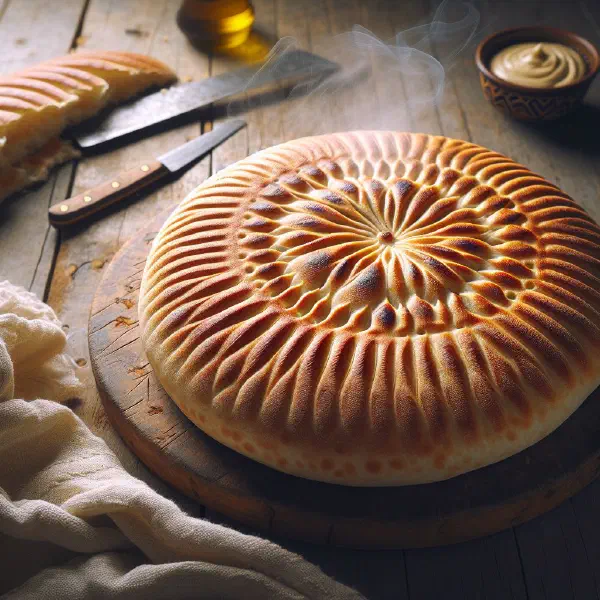
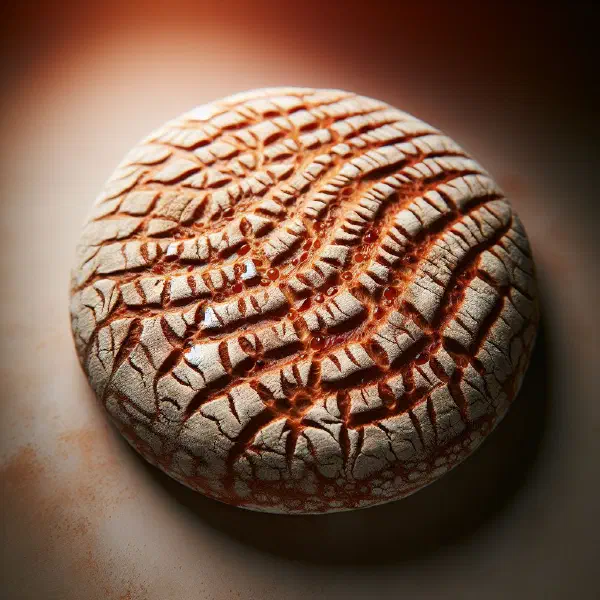
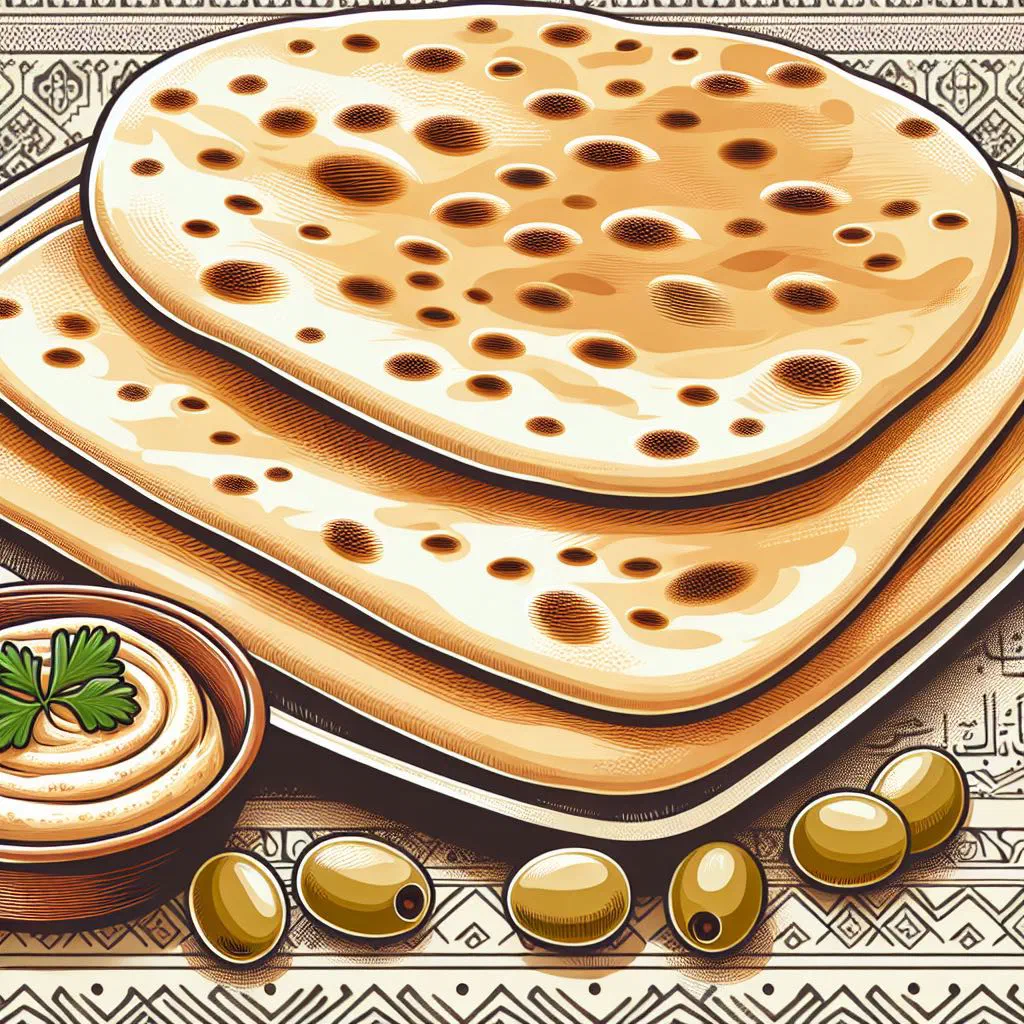
Meet Markook, the paper-thin flatbread that sits at the very heart of the Saudi table. Rolled out until it is almost translucent and cooked in moments on a searing hot surface, it comes off soft, supple and gently blistered, the ideal partner for scooping up dips, wrapping around grilled meats or mopping the last of a hearty stew. It takes a little practice to master, but with the right method you can bring this authentic taste of the Arabian kitchen straight into your own home.
About Markook
Markook is a traditional flatbread that plays a central role in Saudi and wider Arabian cooking. It is prized for its wonderfully thin, airy texture, which makes it the perfect complement to countless savoury dishes, dips and spreads. Getting Markook right calls for both skill and a little experience, as the aim is to achieve that ideal, delicate consistency. With the right recipe, though, you can recreate this authentic flavour of Saudi Arabian cooking in your own kitchen. It sits happily alongside other regional breads such as Aish Baladi and Khobz.
Ingredients (serves 1–2)
- 250 g wheat flour
- 1 teaspoon salt
- 300 ml water
- 1 tablespoon olive oil
- Extra flour, for dusting
Shopping for the ingredients
It is well worth paying attention to the quality of your ingredients. Choose a fine wheat flour, as this has a direct bearing on the texture of the finished flatbread. Fresh olive oil also lends a better aroma. You will find everything you need without trouble in most supermarkets, while a local Arabian grocery may stock special flours that are especially well suited to Markook.
Preparing the dish
To make a tasty Markook, start by setting up your work area properly. Have all your ingredients within reach and prepare a clean surface to work on. It helps to lay out a few pieces of kitchen equipment, such as a bowl, a rolling pin and a frying pan. This bit of preparation makes the whole process much easier and lets you carry out each step in a calm, orderly way.
Step-by-step instructions
- In a large bowl, mix the wheat flour and salt together thoroughly.
- Slowly add the water and the olive oil, then knead everything into a smooth dough.
- Leave the dough to rest for 30 minutes so it becomes elastic.
- On a floured surface, divide the dough into small portions and roll each one out very thinly.
- Cook the rolled-out rounds briefly on both sides in a hot, dry frying pan.
- Serve the finished Markook warm.
Gluten-free / lactose-free version
To make Markook gluten-free, you can use a gluten-free flour, available from specialist shops. Take care that all the other ingredients are free from gluten and lactose too. These days there are plenty of alternatives on the market developed specifically for gluten-free baking. When using gluten-free flours, you may need to adjust the amount of liquid slightly to reach the right consistency.
Tips for vegans and vegetarians
The recipe for Markook is already vegan and vegetarian, as it contains no animal products. To make the bread especially moreish, serve it with vegan dips and spreads such as Hummus or a smoky aubergine salad. A creative option is to pair the bread with roasted vegetables or a bowl of guacamole. That way it becomes a nourishing and delicious meal with something for everyone.
More tips and tricks
To bring out the best flavour and the ideal texture in your Markook, it pays to use fresh ingredients. A quick and simple way to make the dough even fluffier is to add a little yoghurt. Do bear in mind that this is more of a traditional variation that differs from region to region. Adventurous cooks can also lift their dough with spices such as cumin or a scattering of sesame seeds.
Adapting the recipe to your taste
Everyone has their own preferences when it comes to flavour, and the same is true of Markook. You can adapt the recipe by trying different types of flour, such as wholemeal or a blend of several varieties. Adding herbs like fresh coriander or parsley can also give the bread a distinctive note. Experiment with the ingredients to find your own personal favourite version.
Ingredient substitutions
If you do not have some of the listed ingredients to hand, there are clear alternatives you can try. Instead of wheat flour, you could use spelt flour or a gluten-free flour. If you are not keen on olive oil, sunflower oil makes a fine replacement. These variations still let you prepare a tasty Markook that keeps its traditional base flavour, much like the versatile Qursan.
Drink pairing ideas
To enjoy Markook at its best, a few accompanying drinks work particularly well. A fresh mint tea is a classic choice in Arabian culture and complements the flavours of the bread perfectly. An Arabic coffee or a refreshing lemonade or ayran also pairs nicely, balancing the savoury notes.
Serving and presentation ideas
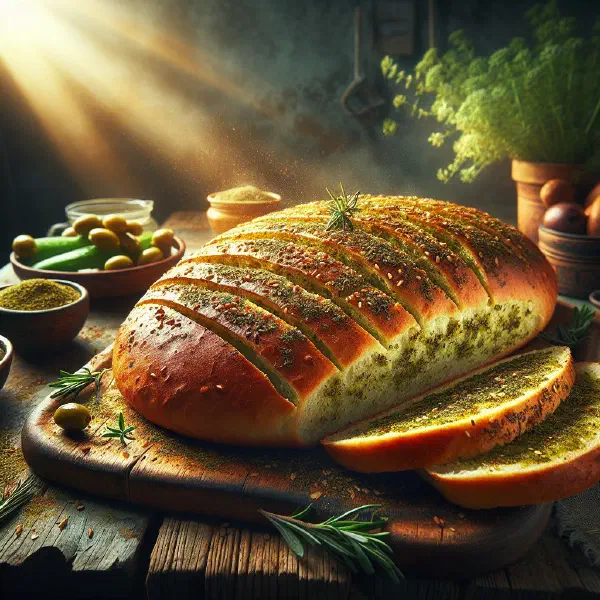
Presentation plays an important part in serving Markook, especially on special occasions. You can arrange the bread on a large wooden board and drape it attractively. Add colourful dips and crisp vegetables to create an inviting spread. A look like this whets your guests’ appetites and turns the meal into a genuine feast.
A bit of history
Markook has a long history in Arabian cooking and has been prepared for centuries. The bread is traditionally baked on large, flat domed ovens that are often shared within a community. This documents a tasty craft and a social act, in which families and neighbours come together to bake in a friendly setting. The knowledge of how to make it has been passed down from generation to generation and forms an important part of the region’s culinary identity. It remains a cornerstone of Saudi Arabian cuisine to this day.
More recipe ideas
Summary: Markook
All in all, Markook offers a simple yet delicious way to discover Saudi cooking. With fresh ingredients and a little practice, you can prepare an authentic piece of Arabian culture within your own four walls. The recipe is easy to adapt to personal taste and lends itself to many creative combinations. It is more than just a flatbread; it is an experience that appeals to all the senses and opens up new possibilities in the kitchen.