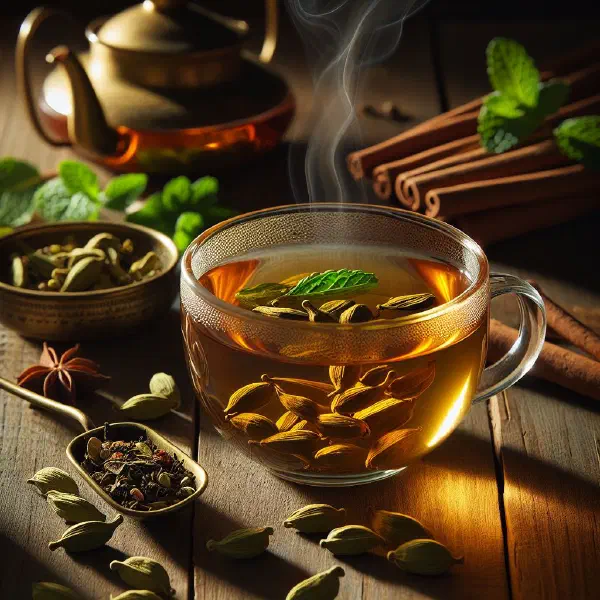
National Dish Saudi Arabia: Saffron Cardamom Tea (Recipe)
In this article
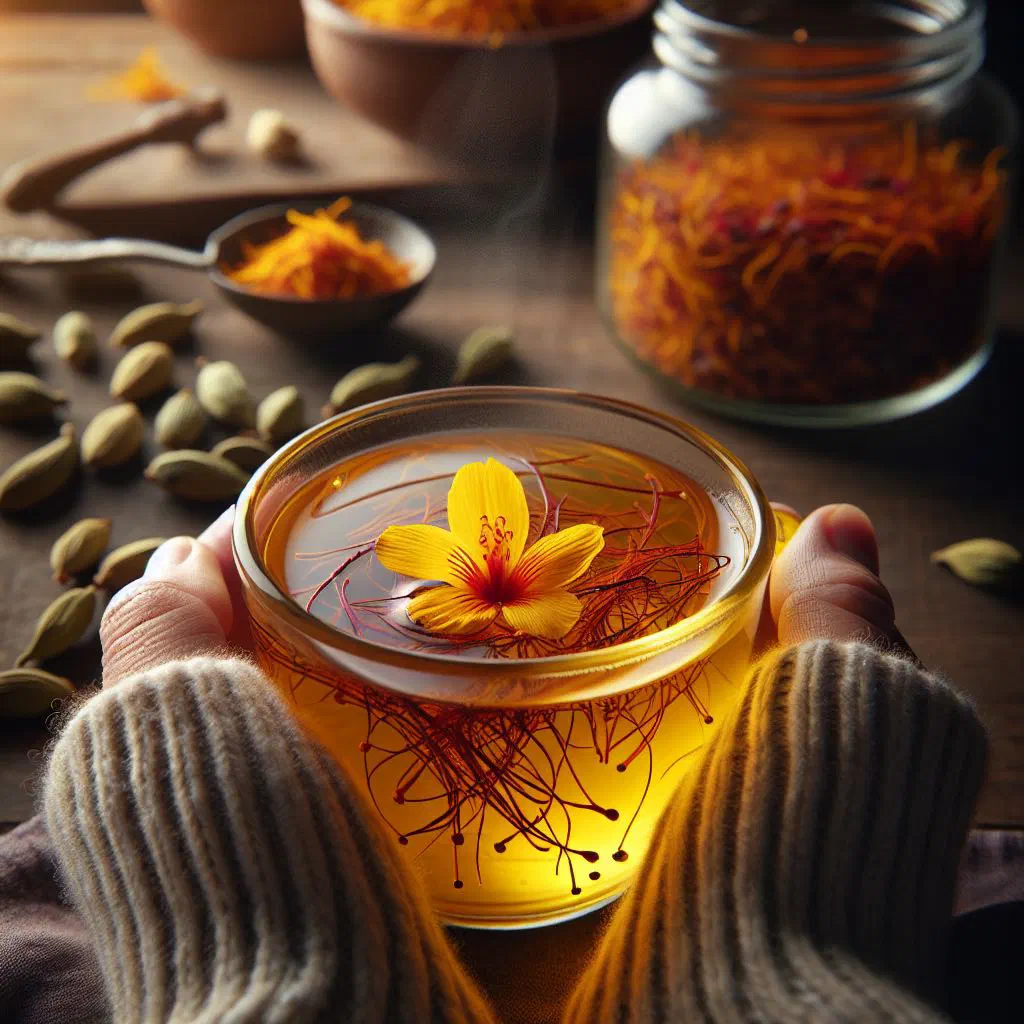
Discover Saffron Cardamom Tea, the fragrant national drink of Saudi Arabia. This warming brew marries the noble aromas of saffron and cardamom into something greater than the sum of its parts. Poured out as a gesture of welcome in homes across the Kingdom, it turns a simple cup of tea into a ritual of hospitality. Bring the gentle, spiced comfort of an Arabian majlis straight to your own table.
About Saffron Cardamom Tea
Saffron Cardamom Tea is the national drink of Saudi Arabia and offers an unrivalled tasting experience. This aromatic tea blend brings together the refined flavours of saffron and cardamom to create something truly distinctive. In Saudi culture the tea is often served as a mark of hospitality and a sign of shared belonging. Whether it graces a festive occasion or simply rounds off an everyday moment, this tea is a fixture of daily life throughout the country.
Ingredients (serves 1–2)
- 2 cups water
- 1–2 teaspoons loose black tea leaves
- 1/4 teaspoon saffron
- 2–3 whole cardamom pods
- Sugar to taste
- Milk (optional)
Shopping for the ingredients
To gather everything for Saffron Cardamom Tea, it is worth heading to a well-stocked grocer that often carries international specialities. Cardamom is generally available either as whole pods or as a ground powder. Saffron, on the other hand, should be sourced from a trusted supplier, as this spice is exceptionally precious. The quality of the black tea matters too; a good leaf gives a fuller flavour and a richer aroma.
Preparing the dish
Preparing Saffron Cardamom Tea is straightforward and takes only a few steps. First, lightly crush the cardamom pods to release their aromas. The saffron can be steeped in a small amount of warm water so it develops its full fragrance. At the same time, have your black tea ready so the right balance comes together as it brews.
Step-by-step instructions
- Bring the water to the boil in a pan.
- Add the crushed cardamom pods and the black tea.
- Let the tea simmer for 5–7 minutes.
- Stir in the steeped saffron and mix everything well.
- Add sugar to taste and, if you like, a splash of milk.
- Strain the tea and pour into cups to serve.
Gluten-free / lactose-free version
Making Saffron Cardamom Tea calls for no ingredients that contain gluten or lactose, which makes the recipe naturally gluten-free and lactose-free. For a completely worry-free cup, simply check that the products you use, the black tea and the sugar in particular, are free from cross-contamination. You might also reach for an alternative sweetener if you are sensitive to sugar.
Tips for vegans and vegetarians
Saffron Cardamom Tea is easily made vegan by leaving out the milk or swapping it for a plant-based alternative such as almond or oat milk. This gives you a delicious, creamy cup without any animal products. Take care with your choice of sugar too, as some varieties are processed using animal-derived products. That way vegans and vegetarians alike can enjoy this traditional tea.
More tips and tricks
To coax out the full aroma of Saffron Cardamom Tea, it helps to bruise the tea leaves lightly before brewing, releasing the natural oils that give the tea its signature character. You can also refine the drink to taste by adding further spices such as cinnamon or cloves. These variations lend the tea extra depth and turn it into something truly special.
Adapting the recipe to your taste
Saffron Cardamom Tea takes wonderfully to personal tweaks. The amount of sugar, for instance, can be adjusted to make the tea sweeter or more restrained. Adding further spices or herbs can shift the flavour considerably as well. Experiment with different milk alternatives, or try serving the tea cold as a refreshing drink.
Ingredient substitutions
If you have no cardamom pods to hand, ground cardamom works too, though in a reduced amount as its aroma is more intense. In place of black tea, green tea makes an interesting alternative with a different flavour note. The saffron can be swapped for turmeric, though this changes the characteristic taste considerably. Test out different ingredients to find your favourite combination.
Drink pairing ideas
Saffron Cardamom Tea goes beautifully with a range of snacks and dishes. Traditional Arabian sweets such as Maamoul or baklava pair perfectly with it. For a savoury combination you might serve the tea alongside dishes like kebabs or a bowl of Hummus. A refreshing fruit salad rounds out this palette of flavours wonderfully.
Serving and presentation ideas
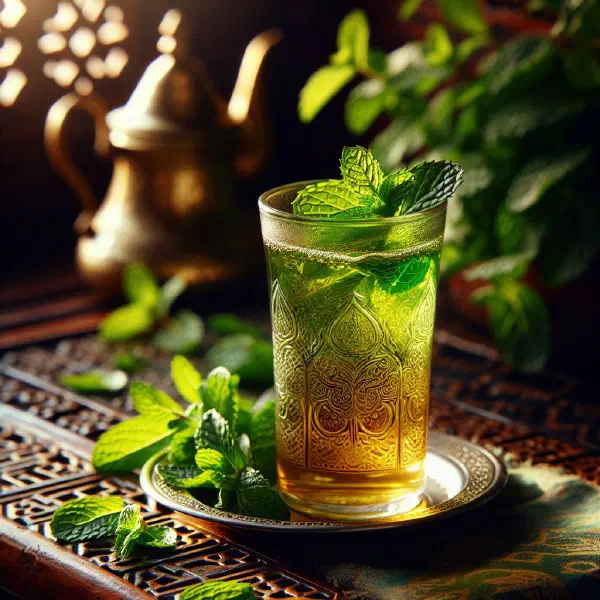
Presentation plays an important part in appreciating Saffron Cardamom Tea. Serve it in stylish cups or glasses that show off the tea’s colour and aromas. Dress the cups with a small sprig of fresh mint or a slice of lemon to add a splash of colour. These little details do more than please the eye. They make the tea a firm favourite with guests.
A bit of history
The use of saffron and cardamom in Arabian cooking has a long tradition reaching back to antiquity. These spices were prized for their aromas and for their supposed health benefits. In times past saffron was seen as a symbol of wealth and prosperity, while cardamom was often used in ceremonies to signify purity and freshness. These cultural threads make Saffron Cardamom Tea not merely a drink but part of the Saudi heritage that runs through all of Saudi cuisine.
More recipe ideas
Summary: Saffron Cardamom Tea
Saffron Cardamom Tea offers a unique and comforting experience that is deeply rooted in Saudi culture. With its pairing of saffron and cardamom, this tea is a pleasure to drink and a symbol of hospitality and tradition. Its simple preparation and easy adaptability leave plenty of room to enjoy it exactly to your own taste. Let the richness of Saudi cooking sweep you away in a single cup and savour the warm welcome of Saudi Arabia.