National Dish Saudi Arabia: Tabbouleh (Recipe)
In this article
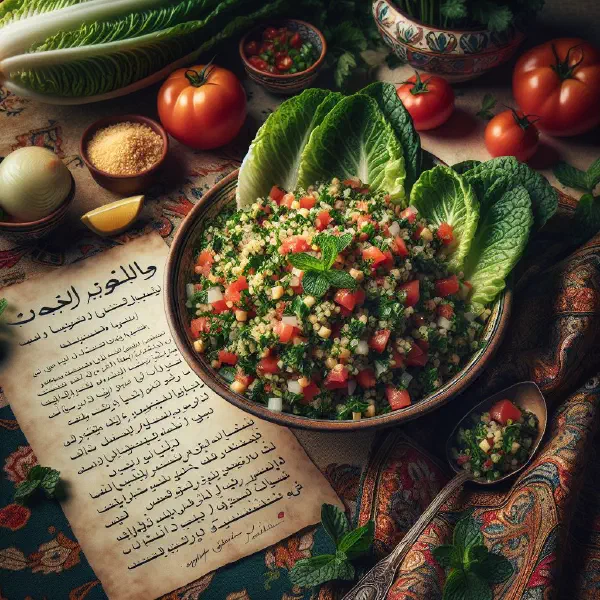
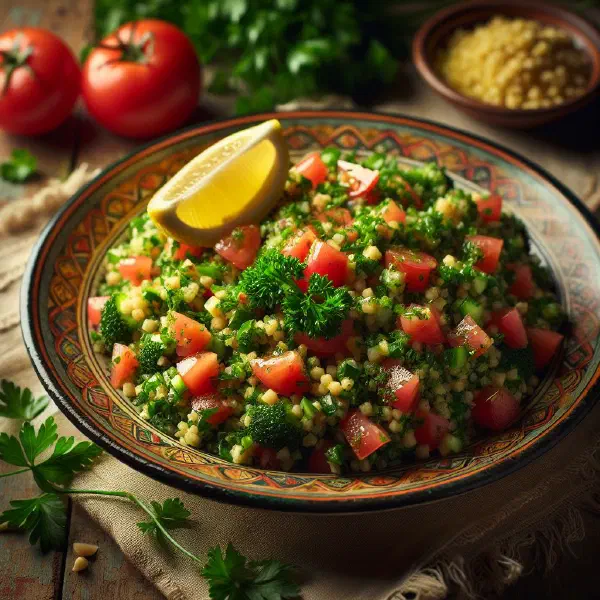
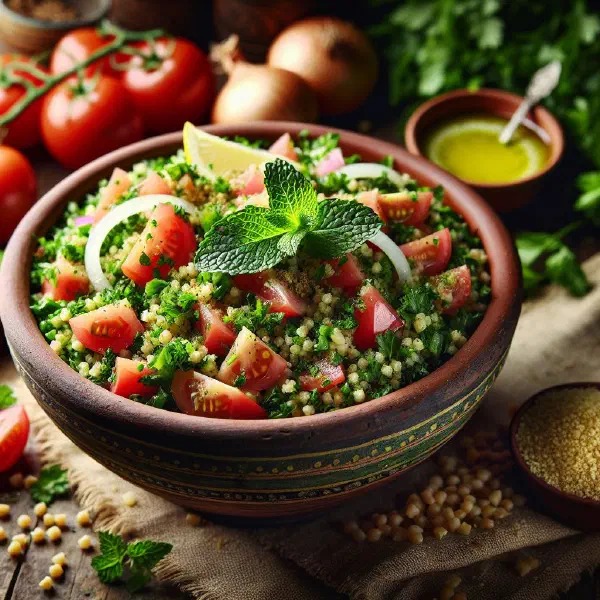
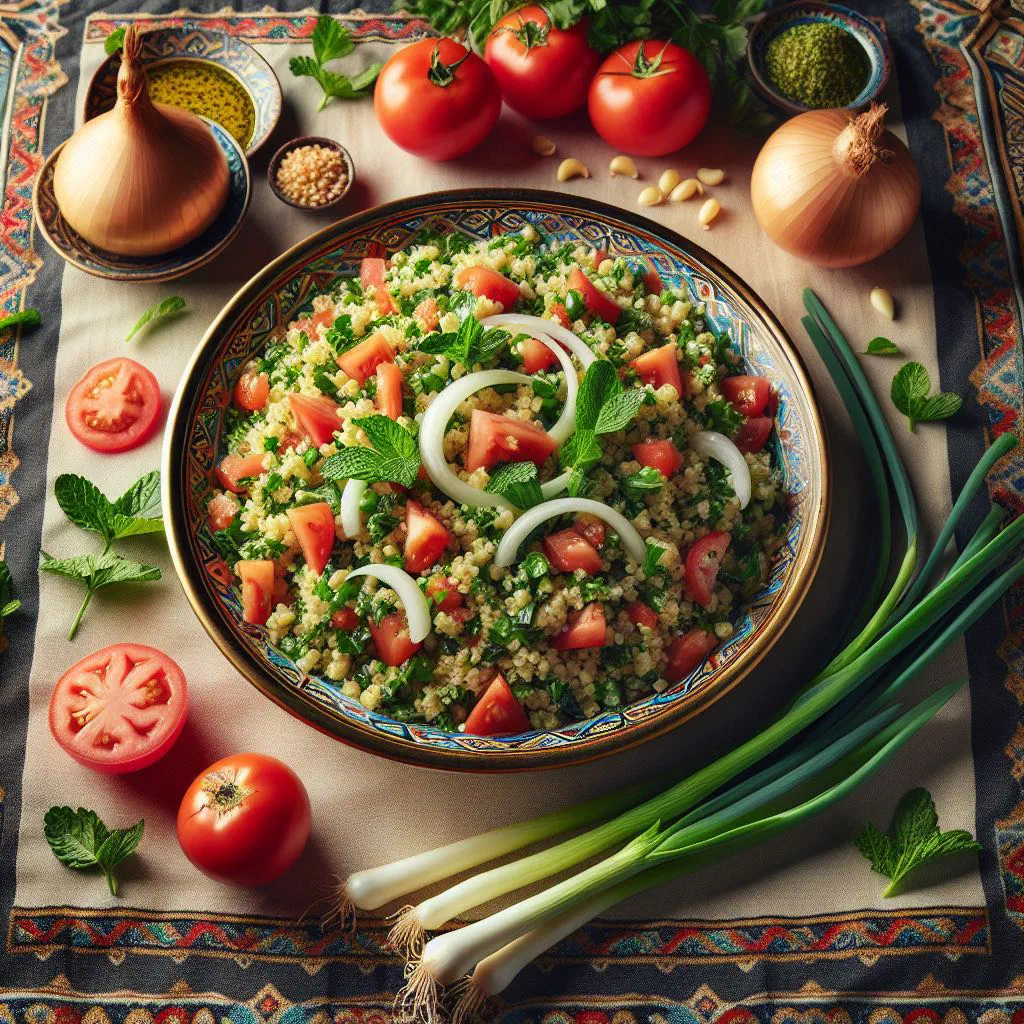
Meet Tabbouleh, a bright and refreshing herb salad that has won hearts far beyond Saudi Arabia. Built around bulgur, fragrant herbs and juicy tomatoes and lifted by a generous squeeze of lemon, it is the kind of dish that tastes of sunshine. Light yet nourishing and packed with vitamins and fibre, it works beautifully as a cooling side or a wholesome light meal, a little taste of the Levant to bring straight to your own table.
About Tabbouleh
Tabbouleh is enjoyed not only across Saudi Arabia but internationally too, and it is easy to see why. This fresh herb salad brings together tender bulgur, aromatic herbs and ripe, juicy tomatoes in one lively bowl. A splash of lemon gives the dish a pleasant zing that makes it perfect for warm days. Beyond being utterly delicious, tabbouleh is also genuinely good for you, thanks to its wealth of vitamins and dietary fibre.
Ingredients (serves 1–2)
- 100 g bulgur
- 2 large tomatoes
- 1 large onion
- 1 bunch parsley
- 1 bunch mint
- 1 lemon (juice)
- Olive oil, to taste
- Salt and pepper, to taste
Shopping for the ingredients
For tabbouleh it really matters to choose fresh produce. Visit your local market or a greengrocer to track down the best herbs. Pay particular attention to the quality of the tomatoes, as they lend the dish its sweetness and freshness. The bulgur, too, should be fresh and coarse to give you the finest flavour and texture.
Preparing the dish
To create a really tasty tabbouleh, preparation begins with soaking the bulgur. Cover it with warm water and leave it for around 30 minutes, until soft. Meanwhile, finely chop the herbs and tomatoes, an important step that helps the aromas unfold. Dice the onion finely as well, then add everything to a large bowl ready to bring together.
Step-by-step instructions
- Drain the bulgur in a fine sieve and squeeze it gently to remove any excess water.
- Finely chop the parsley and mint and add them to a large bowl along with the diced tomatoes and onion.
- Add the drained bulgur and mix well.
- Pour over the lemon juice and olive oil, then season with salt and pepper.
- Toss everything together thoroughly and leave to rest for about 10 minutes so the flavours can develop.
Gluten-free / lactose-free version
For a gluten-free version you can use quinoa in place of the bulgur. This pseudo-grain is a complete source of protein and lends itself perfectly to recipes like this one. A lactose-free version is effortless too, since the dish relies on olive oil and fresh ingredients with no dairy at all, so the flavour never suffers. Just double-check the labels for gluten-free credentials when you shop.
Tips for vegans and vegetarians
Tabbouleh is naturally vegan and vegetarian, which makes it a wonderful choice for anyone following a plant-based diet. To boost its nutritional value, stir in some chickpeas or other pulses. These add extra protein and bring an interesting texture. Feel free to experiment with additional herbs or vegetables to vary the flavours, much like the fresh, veg-forward spirit of a Fattoush.
More tips and tricks
A delicious tabbouleh lives and dies by its fresh ingredients, so it is best served freshly made. If you want to save time, you can prepare the herbs in advance and keep them in the fridge. Storing them in an airtight container helps preserve their freshness. Remember to add the dressing only just before serving, so the salad keeps its lovely crispness.
Adapting the recipe to your taste
Depending on your personal preferences, you can vary the ingredients for your tabbouleh freely. Some people prefer more mint, while others let the parsley take centre stage. Experiment with different citrus fruits such as lime, or add a chilli or two for a spicier note. This way you can create a version that suits your own taste to perfection.
Ingredient substitutions
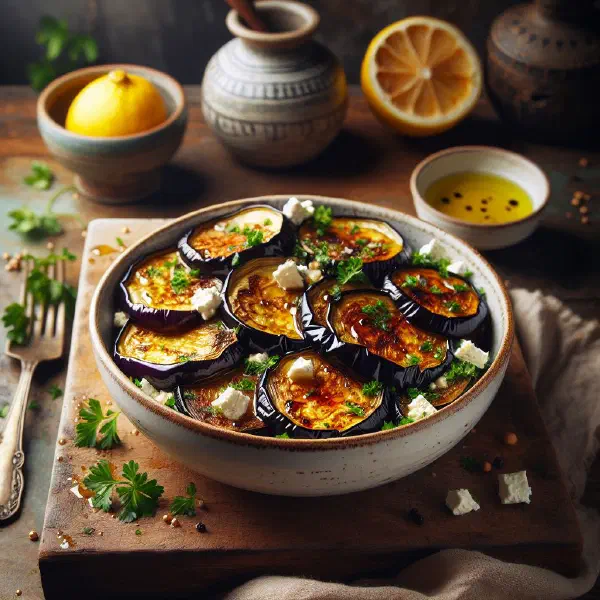
If you are not keen on onions, use spring onions or leek instead for a milder flavour. For a nutty accent, scatter in some pine nuts or walnuts, the same crunch that works so well in a Roasted Eggplant Salad. This makes tabbouleh even more varied and adds extra texture. Swapping the tomatoes for another vegetable, such as cucumber, can bring a fresh accent too.
Drink pairing ideas
A refreshing tabbouleh goes wonderfully with light drinks such as mint tea or homemade lemonade. A cool glass of hibiscus tea is another lovely complement to the flavour of the salad. If you fancy something alcoholic, a white wine or a rosé makes a pleasant, not-too-heavy choice. All of these pairings support the lively, fresh character of the dish.
Serving and presentation ideas
Presentation can make a real difference to the overall impression of your tabbouleh. Use a large, shallow bowl to show off the colours of the ingredients. Garnishing with a few extra herbs or a squeeze of lemon makes the salad even more visually appealing. Serve it with a selection of wholemeal bread or Khobz flatbread to round the meal off completely.
A bit of history
Tabbouleh has a long tradition across the Middle East and is especially well known in Lebanon and Syria. Historically the salad was served as a nourishing, refreshing accompaniment to many dishes. Its main ingredient, bulgur, originates from the region and has been used there for thousands of years. Today tabbouleh is a symbol of Arabic cuisine and enjoys a devoted following in many cultures, a cornerstone of Saudi Arabian cuisine alongside classics like Hummus.
More recipe ideas
Summary: Tabbouleh
Tabbouleh is more than just a salad; it is a flavourful journey through the tastes of the Middle East. The combination of fresh herbs, crisp tomatoes and fine bulgur makes it an indispensable part of Arabic celebrations. With its flexibility and countless ways to adapt it, tabbouleh is a dish anyone can easily prepare in their own kitchen. Enjoy the variety and freshness of this traditional recipe. You are sure to be pleased.