National Dish Senegal: Akara (Recipe)
In this article
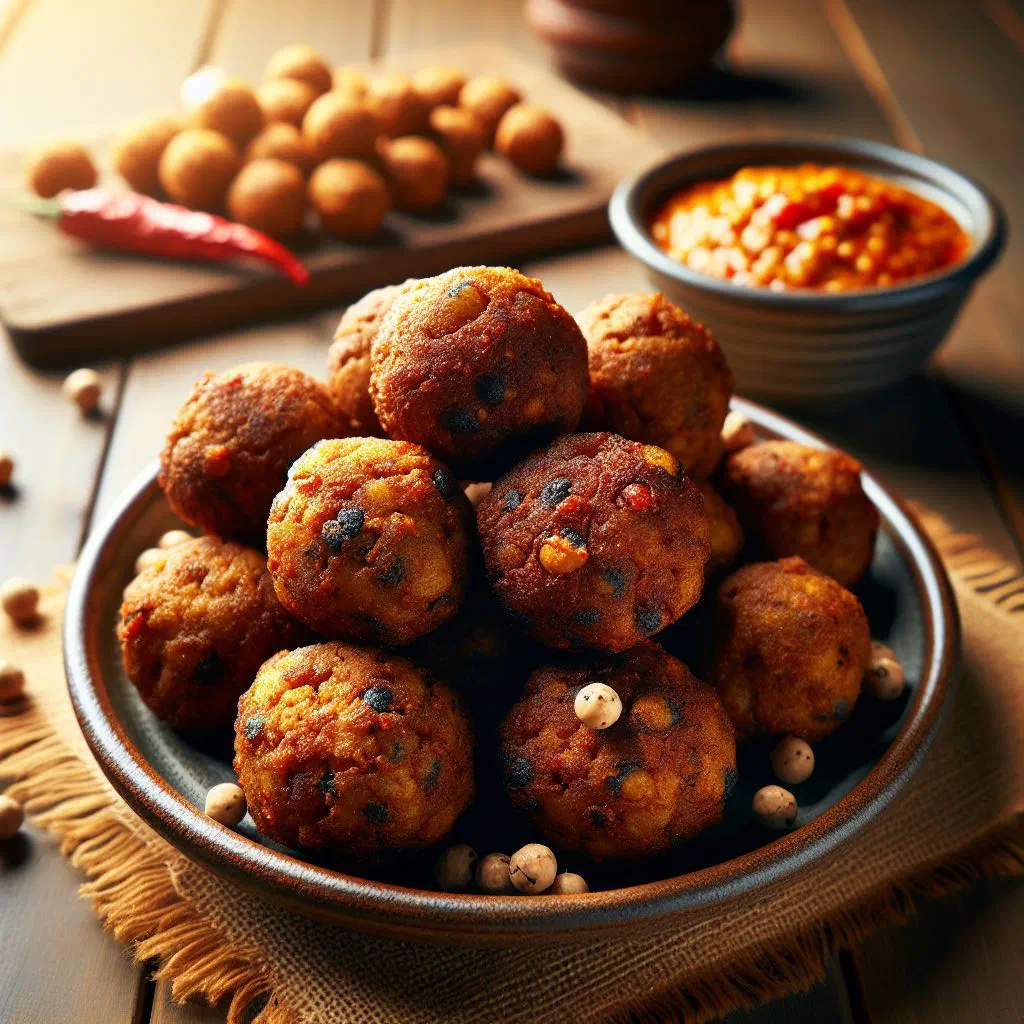
Meet Akara, a much-loved snack from Senegal and one of the great treats of West African cooking. These crisp, golden fritters are made from spiced ground pulses, fried until beautifully crunchy on the outside and soft within. Enjoyed as a morning bite, a nibble on the go or a savoury side, they carry the warm, fragrant flavours of the region straight into your kitchen. Simple to prepare yet full of character, akara are the perfect way to discover the richness of West African street food.
About Akara
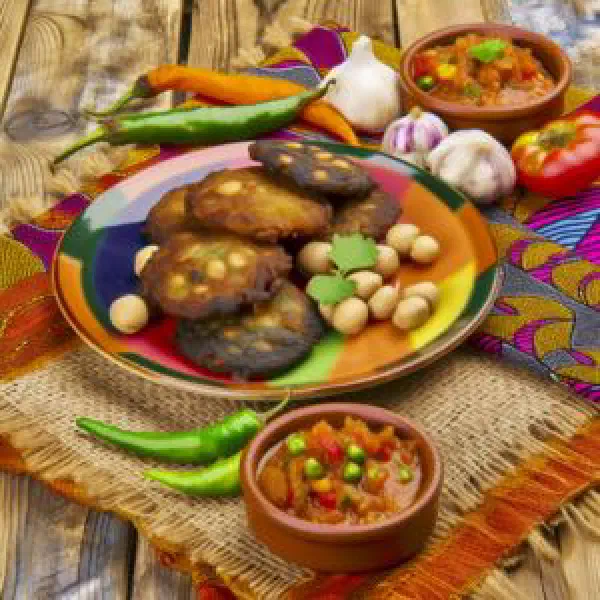
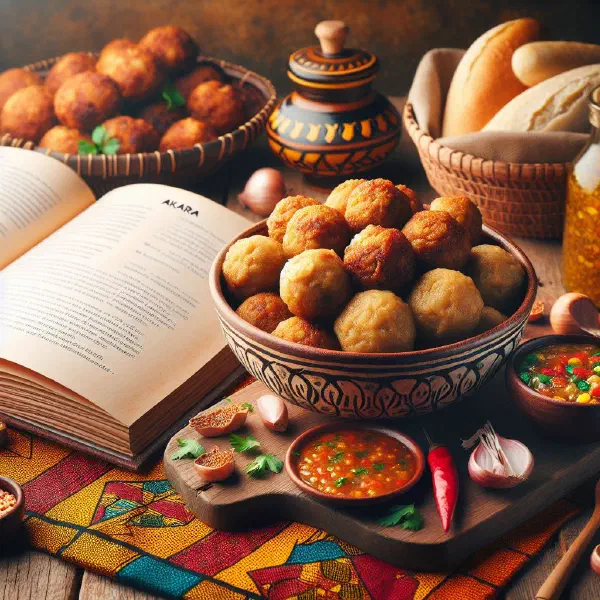
Akara are crispy chickpea fritters enjoyed across many West African countries, and particularly in Senegal, as both a snack and a side dish. They are made from ground chickpeas and lifted with a variety of spices that give them their distinctive flavour. Preparing akara combines easy handling with the chance to bring genuinely delicious aromas to your own cooking. Experience the variety of West African cuisine and discover why akara are such a beloved dish.
Ingredients (serves 1–2)
- 200 g chickpeas (dried or tinned)
- 1 small onion, chopped
- 2 cloves of garlic, chopped
- 1 teaspoon cumin
- 1 teaspoon paprika
- Salt to taste
- Pepper to taste
- Oil for frying
Shopping for the ingredients
Most of the ingredients for akara are easy to find in a typical supermarket or an Asian grocery. Choose fresh chickpeas where you can, to guarantee the best flavour. Bear in mind that dried chickpeas need a longer preparation time, as they have to be soaked beforehand. Don’t forget to check the quality of the spices while you shop, as they can have a considerable effect on the final taste of the dish.
Preparing the dish
Before you begin cooking, the chickpeas should be prepared according to the type you are using. If you are working with dried chickpeas, it is important to soak them in water for several hours or overnight. Soaking softens them and makes them easier to work with. Have the other ingredients ready to hand too, so the cooking process runs smoothly. Thorough preparation ensures that making akara is both efficient and enjoyable.
Step-by-step instructions
- If you are using dried chickpeas, soak them first and then drain them well.
- Blend the chickpeas in a blender or food processor to a fine paste.
- Add the onion, garlic, cumin, paprika, salt and pepper to the chickpea paste and mix well.
- Heat the oil in a pan and drop in small portions of the chickpea mixture with a spoon.
- Fry the fritters for about 4–5 minutes, until golden brown and crisp, then drain them on kitchen paper.
Gluten-free / lactose-free version
Akara are naturally gluten-free, as they are made mainly from chickpeas. The recipe also contains no dairy, which makes it lactose-free as well. That makes akara an excellent option for anyone with food intolerances. When choosing your spices, just make sure they too are gluten-free, so the dish stays fully suitable for every diet.
Tips for vegans and vegetarians
Akara are naturally vegan and vegetarian, which makes them an ideal snack for anyone who prefers plant-based food. To vary the flavour even further, you can work extra vegetables such as carrots or spinach into the mixture. Additions like these add more nutrients and bring interesting notes of colour and taste. Experiment with different herbs and spices to fine-tune the aromas to your liking.
More tips and tricks
For an even crisper texture, it is important to preheat the oil thoroughly before adding the fritters. Proper draining is just as crucial for removing any excess oil. If you like, you can vary the recipe slightly by using different spices or extra ingredients such as fresh herbs. Prepared well, akara are an incomparable treat that never goes out of fashion.
Adapting the recipe to your taste
The akara recipe is easy to adapt to personal preference. Add more or fewer spices, for example, depending on how hot or mild you like it. Experimenting with different ingredients such as sweet potatoes or courgettes can also yield exciting results. Be creative, and ask your family or friends to share their ideas too, so you can discover new variations together.
Ingredient substitutions
If you are not keen on chickpeas, you can use other beans or lentils instead. These alternatives will, however, affect the texture and flavour of the finished dish. For an even quicker preparation, you can use ready-cooked tinned chickpeas, the same convenient shortcut that speeds up a hearty Ndambé aux Pois Chiches. Remember to adjust the amount of spices to suit the different flavours.
Drink pairing ideas
Plenty of drinks pair beautifully with akara and complement their flavour. A refreshing mint tea makes a wonderful companion for this snack. Fresh lemonade also provides a zesty lift, much like a tangy Bissap Drink. If you prefer something alcoholic, a light wheat beer or a fruity cocktail with citrus notes can be a great choice.
Serving and presentation ideas
To present akara attractively, it is best to serve them on a stylish plate or in a small bowl. Garnish them with fresh herbs or lime slices to give the dish a fresh look. You can also offer a few dips alongside, such as a spicy chilli sauce or a yoghurt dressing. A lovely presentation turns every meal into a special occasion, whether the fritters accompany a Chicken Yassa or stand on their own.
A bit of history
The origins of akara lie in West Africa, where they have been eaten for many generations. Once popular as a breakfast food, today they are a beloved snack in many regions. Akara are a treat and an important cultural symbol of many West African kitchens. Their recipe has been passed down from generation to generation, making them a genuine piece of culinary heritage within Senegalese cuisine.
More recipe ideas
Summary: Akara
Akara are more than just a snack. They are a part of West Africa’s rich culture and a culinary experience that is both easy to prepare and delicious. Thanks to their many possible variations, they can be adapted to suit your own preferences. Akara win everyone over with their flavour and their crunch. Take the time to try this wonderful dish, and let the aromas of West Africa carry you away.