National Dish Senegal: Bouye (Recipe)
In this article
Say hello to Bouye, a wonderfully refreshing Senegalese drink made from the fruit of the mighty baobab tree. With its bright, gently tangy flavour and pale, creamy colour, it is the perfect way to cool down on a hot day or to round off a festive meal. Best of all, it comes together from just a handful of ingredients, so you can be sipping a taste of Senegal in no time at all.
About Bouye
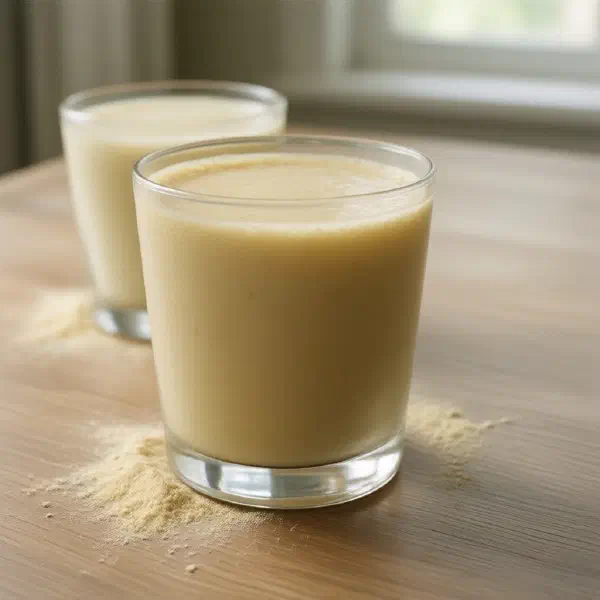
Bouye is a traditional drink from Senegal, loved for its refreshing, fruity character. Its main ingredient is the baobab fruit, the pulp of the seeds from the tree often nicknamed the “monkey bread tree”, which is prized for its delicious taste and for its many health benefits. Bouye has a lively, slightly sour note that makes it ideal for cooling off on warm days or accompanying a celebratory meal. The preparation is simple and calls for only a few ingredients, so you can quickly look forward to the authentic flavours of Senegal.
Ingredients (serves 1–2)
- 50 g baobab powder
- 1 litre water
- 100 g sugar (to taste)
- A pinch of salt
- Optional: lemon juice or other fruit juices for extra flavour
Shopping for the ingredients
To gather the ingredients for Bouye, your best bet is an African or Asian grocery, where you will find baobab powder. These specialist shops often stock other exotic ingredients you can use across all sorts of recipes too. When buying the baobab powder, look for organic quality to get the most out of its health benefits. The remaining ingredients, such as sugar and lemon juice, are available in most supermarkets and can be adjusted to suit your own taste.
Preparing the dish
Preparing Bouye takes very little time and is wonderfully straightforward. First, set out all your ingredients so the process runs smoothly. Baobab powder can clump easily, so it is worth loosening it in a bowl before you use it. Keep a measuring spoon to hand as well, so you can tweak the amount of sugar to your personal preference.
Step-by-step instructions
- In a large container, mix the baobab powder with 1 litre of water.
- Stir well until the powder has completely dissolved.
- Add the sugar and the pinch of salt, then stir again thoroughly.
- Stir in lemon juice or other fruit juices to taste to vary the flavour.
- Pour the bouye into glasses and serve chilled.
Gluten-free / lactose-free version
Bouye is naturally gluten-free and lactose-free, which makes it a brilliant choice for anyone with intolerances. It is a refreshing option for anyone who needs to adapt their diet. Do double-check any sweeteners you use, though, especially if you plan to reach for sugar substitutes, to make sure they are gluten-free as well. This drink therefore suits a wide variety of eating habits.
Tips for vegans and vegetarians
Vegans and vegetarians can enjoy Bouye without a second thought, as every ingredient is plant-based. If you fancy an extra dose of vitamins, add fresh fruit such as mango, pineapple or berries to the drink. That brings an extra layer of flavour and boosts the drink’s nutritional value. Try to use seasonal fruit to make the most of that authentic, fruity taste.
More tips and tricks
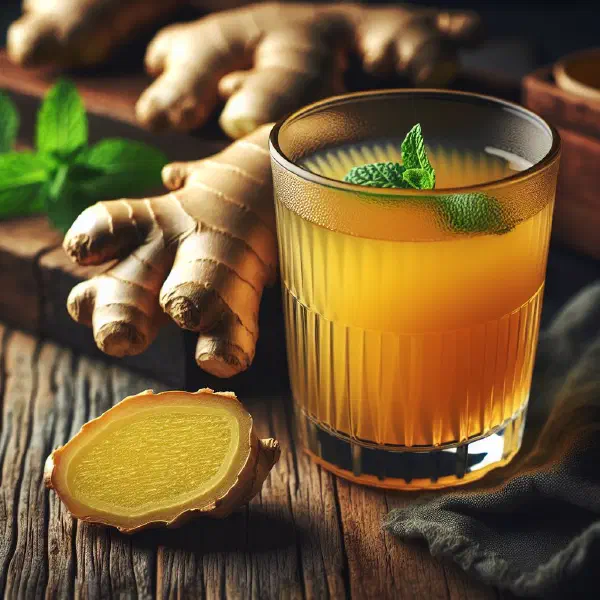
To make the flavour of Bouye even more interesting, experiment with different spices. A pinch of cinnamon or ginger lends the drink a whole new dimension. Serve it in a traditional Senegalese cup or glass for a truly authentic experience. You can also make it in larger quantities to serve at a whole celebration, as bouye keeps well in big jugs.
Adapting the recipe to your taste
You can tailor Bouye entirely to your own preferences. If you like it sweeter, add more sugar or use natural sweeteners such as agave syrup or honey. Likewise, the amount of baobab powder can vary depending on how intense you want the flavour to be. For a fizzier version, swap the still water for sparkling water to create a bubbly, prickling refreshment.
Ingredient substitutions
If you struggle to track down baobab powder, there are alternatives such as dragon fruit powder or even almond milk powder, which offer a different but equally delicious taste, much like the fruity swaps that work in a glass of Jus De Baobab. The other ingredients, such as sugar, can be replaced with sweeteners like coconut sugar or stevia, which makes the drink a little healthier. Each of these alternatives has its own flavour and nutritional profile, so you can get creative while still following the traditional recipe.
Drink pairing ideas
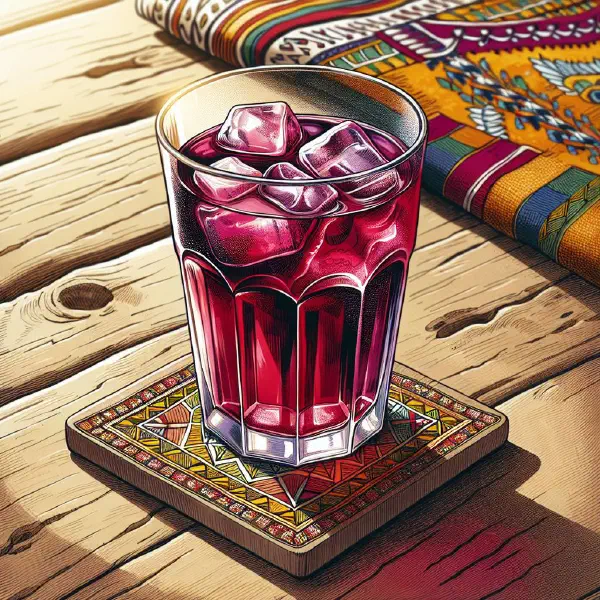
For a festive occasion you can combine Bouye with other drinks to create a varied menu. Serve it alongside a refreshing Bissap Drink or a classic mango smoothie to open up unique flavour combinations. These drinks harmonise beautifully with the fruity bouye and showcase the variety of Senegalese cuisine. A well-matched drinks selection can genuinely impress your guests.
Serving and presentation ideas
To serve Bouye attractively, garnish it with fresh fruit, such as a slice of lemon or a handful of mint. This adds colour and freshness and makes for an appealing presentation. Clear glasses can also help show off the drink’s bright colour. A small tent card bearing the drink’s name adds a festive touch, especially at parties or events.
A bit of history
Bouye has its roots in the rich culinary heritage of Senegal and draws in tourists and locals alike. The baobab tree holds great cultural significance across West Africa and is often called the “tree of life”, both for its health benefits and for the traditional uses of its various parts. In Senegal, bouye is a symbol of hospitality and community. It is often enjoyed at festivals, on special occasions and even as part of everyday life.
More recipe ideas
Summary: Bouye
In short, Bouye is a delicious and healthy option that brings the flavours of Senegal straight to your table. With its simple preparation and the freedom to adapt the recipe to your liking, everyone can enjoy this refreshing speciality. Ideal for hot summer days or special celebrations, bouye wins people over with its distinctive taste and the many health benefits of the baobab tree. Give it a go and let the fascinating world of Senegalese cuisine inspire you.