National Dish Senegal: Couscous (Recipe)
In this article
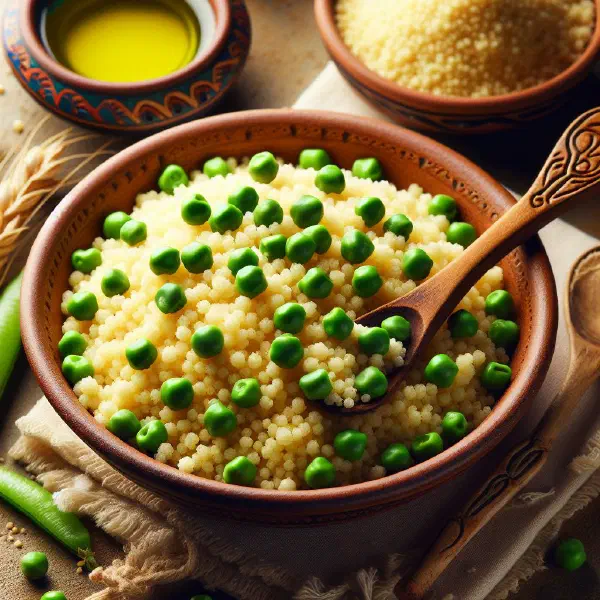
Say hello to Senegalese couscous, a warm and aromatic bowl that brings the flavours of northwest Africa straight to your table. Fluffy steamed grains meet colourful vegetables and gentle spices, creating a dish that is both filling and endlessly adaptable. This comforting classic is a wonderful way to celebrate the hospitality at the heart of Senegalese cooking.
About Couscous
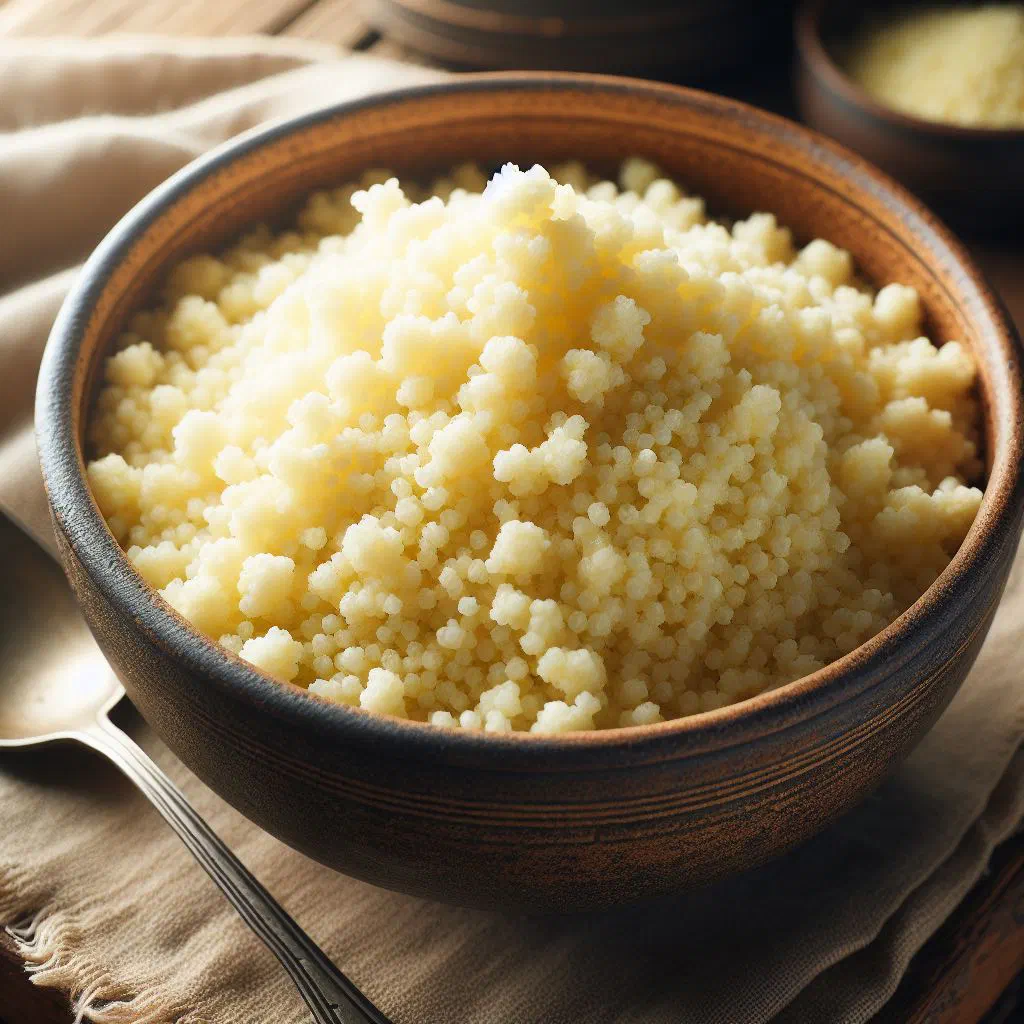
Couscous is a traditional dish held in high regard across North Africa and West Africa alike. In Senegal it is typically prepared with fresh vegetables and a handful of warming spices, resulting in a fragrant and deeply satisfying meal. The dish is hearty and remarkably versatile, and it can be adjusted with ease to suit your own preferences. That flexibility makes it a perfect choice for a relaxed dinner shared with family or friends.
Ingredients (serves 1–2)
- 200 g couscous
- 250 ml vegetable stock
- 1 onion
- 1 carrot
- 1 pepper
- 100 g peas (fresh or frozen)
- 2 tablespoons olive oil
- 1 teaspoon turmeric
- 1 teaspoon salt
- A squeeze of lemon juice
- Fresh herbs (such as parsley or coriander), to garnish
Shopping for the ingredients
To put together an authentic couscous dish, it is worth sourcing the right ingredients from a well-stocked supermarket or an African or Asian grocery. When choosing your couscous, look for one made from wheat semolina with no added extras. Fresh vegetables are key to the flavour, so keep an eye on what is in season and choose the best produce you can find. A handful of fresh herbs at the end will lift and intensify the aromas of the whole dish.
Preparing the dish
Begin with the vegetables, cutting the onion, carrot and pepper into small, even pieces. If you are using frozen peas, allow them to thaw beforehand. This bit of groundwork ensures everything cooks evenly and the flavours come together nicely. Having all your ingredients ready before you start cooking keeps the whole process smooth and stress-free.
Step-by-step instructions
- Heat the olive oil in a large pan and add the onion. Cook over medium heat until translucent.
- Add the carrot and pepper and sauté the vegetables for around 5 minutes.
- Stir in the peas along with the spices (turmeric and salt) and mix everything well.
- Pour in the vegetable stock and bring it to the boil.
- Add the couscous, cover the pan and let it steam for about 5 minutes.
- Once the grains have swelled, fluff them, season with a squeeze of lemon juice and garnish with fresh herbs. Serve and enjoy.
Gluten-free / lactose-free version
For a gluten-free version of this couscous, you can swap in quinoa or rice instead. Both options are free from gluten and nourishing and wholesome, and they make an excellent base for the vegetables and spices. Just be sure to check that your vegetable stock is gluten-free too, so the whole dish stays suitable for anyone with a gluten intolerance.
Tips for vegans and vegetarians
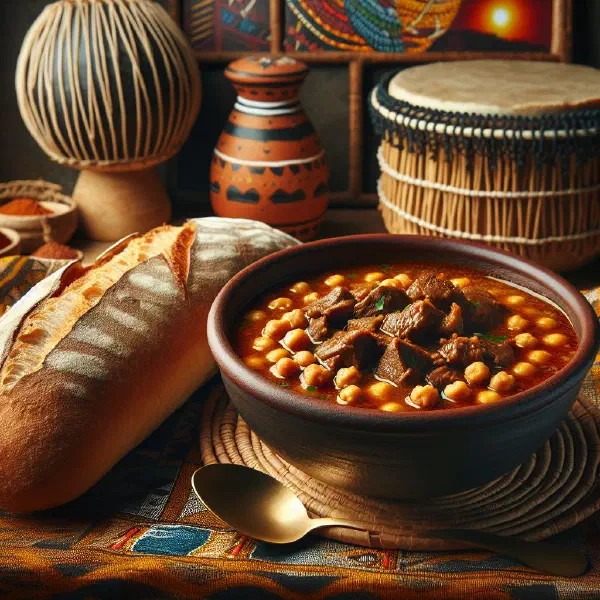
This couscous recipe is naturally vegetarian and can be made fully vegan simply by choosing a plant-based stock. Adding extra vegetables or pulses such as chickpeas boosts both the nutrition and the flavour, much as they do in a hearty Ndambé aux Pois Chiches. Experimenting with different spices lets you bring a personal touch to the dish while keeping it both delicious and healthy. A little vegan cheese or yoghurt makes a lovely creamy topping.
More tips and tricks
One important tip is to fluff the couscous with a fork once it has steamed, so the grains turn out light and airy. The dish also reheats well, which makes it ideal for meal prep and cooking ahead. Feel free to experiment with different vegetables and spices to find your favourite combination. Take care not to overcook the vegetables, so they keep their nutrients and the flavours stay bright and lively.
Adapting the recipe to your taste
The beauty of couscous lies in its versatility. You can adapt the vegetables to whatever is in season or to your own preferences. Try adding pumpkin, courgette or broccoli to make the dish more colourful. The spices can vary too, from sweet and mellow to hot and punchy, so you can shape the aroma exactly to your liking. This same spirit of improvisation runs through much of Senegalese cuisine.
Ingredient substitutions
If you want to keep couscous as your base but try a different flavour direction, toasted nuts or seeds make a great topping. For a slightly more exotic twist, add dried fruit such as apricots or dates for a touch of sweetness. This mix of sweet and savoury creates an interesting eating experience, echoing the flavours you would find in a bowl of Thiéré. Don’t be afraid to get creative and fold in your own favourite ingredients.
Drink pairing ideas
A range of drinks pairs beautifully with a good couscous. A refreshing mint tea or a lightly chilled white wine harmonises wonderfully with the flavours of the meal. Fruit juices such as mango or lemon are another great match, intensifying the whole experience, while a hibiscus-based Bissap Drink makes a bright, festive choice. For celebrations, you might even try a fruity cocktail to accompany the food.
Serving and presentation ideas
Presentation matters with every dish, and couscous is no exception. Serve it in a large bowl, garnished with fresh herbs and perhaps a scattering of toasted nuts or seeds for crunch. Attractive ceramic or wooden bowls add a rustic note and make the dish look inviting. A little creativity in the styling goes a long way and lifts the whole experience for your guests.
A bit of history
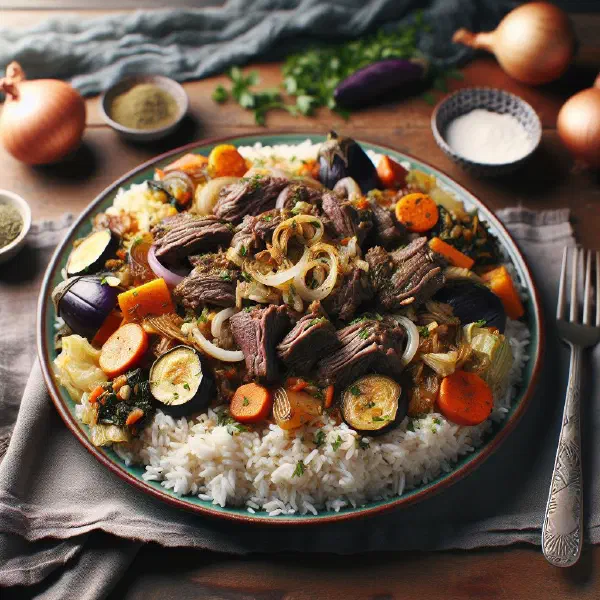
Couscous has its roots in the Berber cultures of North Africa and has been prepared in countless variations for centuries. In Senegal the dish carries special meaning and remains a firm fixture of the modern kitchen. Preparing couscous is often a sociable event, bringing friends and family together to celebrate the traditional values of hospitality and community. That is what makes couscous more than a tasty meal but also an important part of cultural identity, a spirit it shares with the beloved Maafé.
More recipe ideas
Summary: Couscous
This traditional couscous recipe from Senegal is simple to prepare and offers a wonderful variety of flavour. With fresh vegetables and aromatic spices, every meal becomes a special occasion. Couscous is always an excellent choice. Enjoy this dish in the company of your loved ones and let its warm aromas win you over.