National Dish Senegal: Dakhine (Recipe)
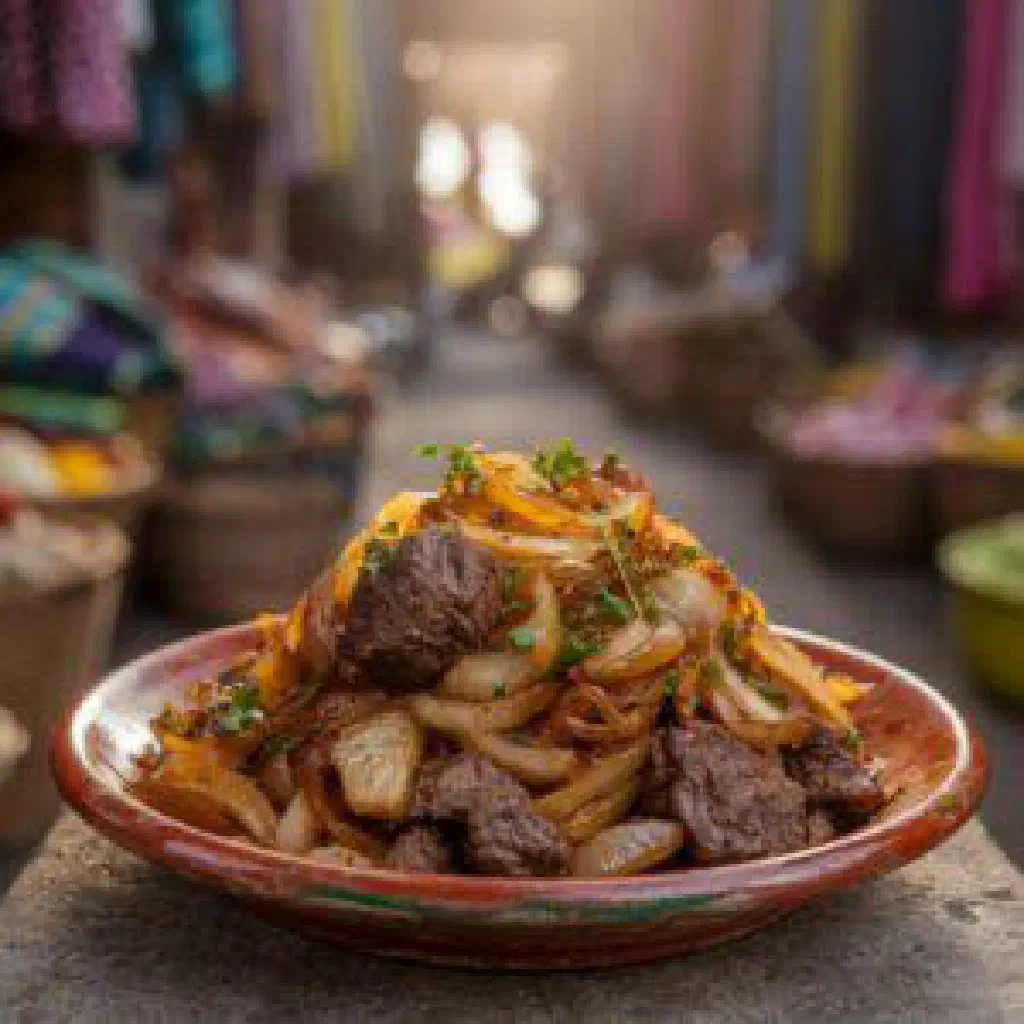
In this article
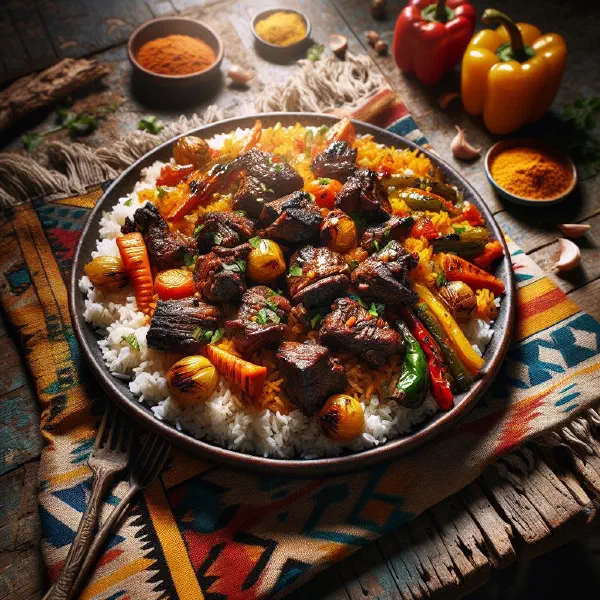
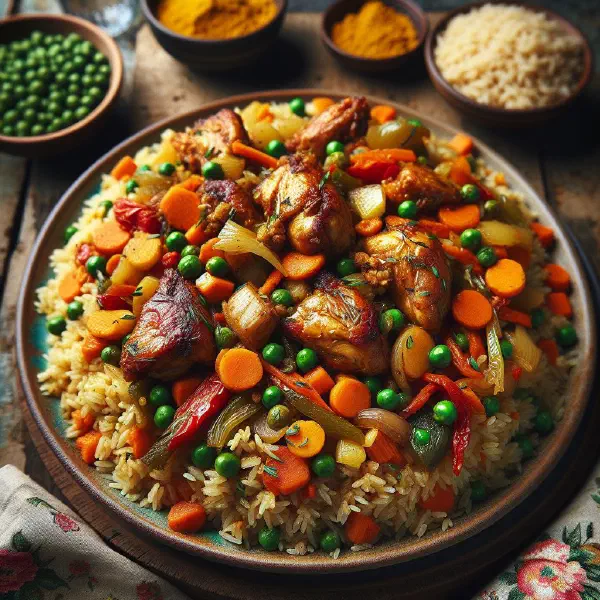
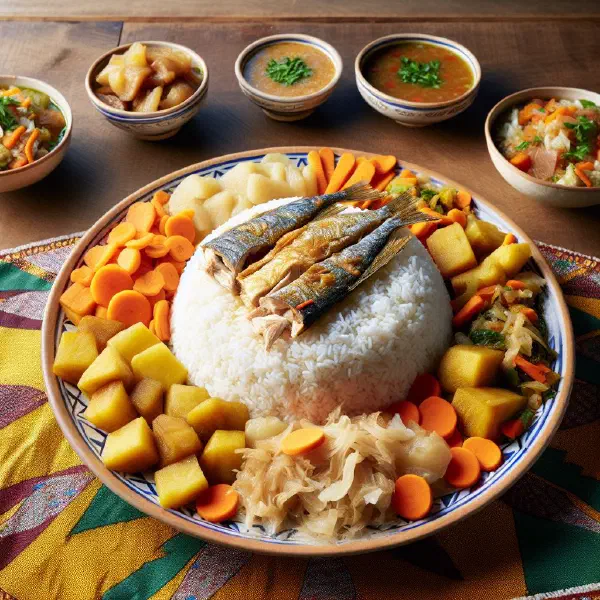
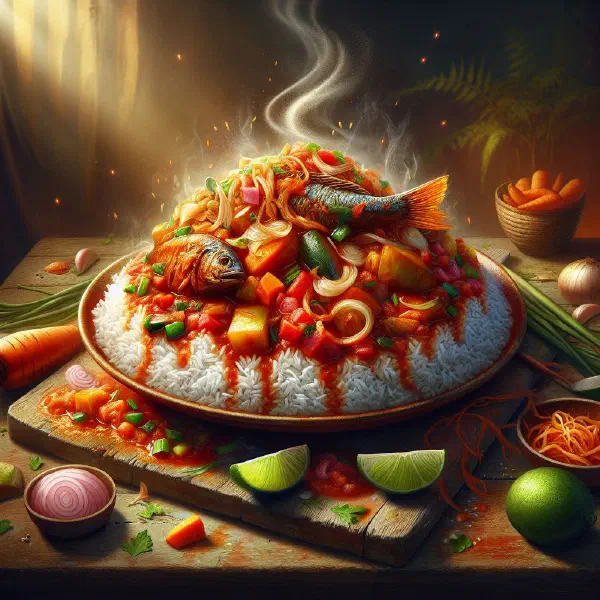
Say hello to Dakhine, a warm-hearted Senegalese classic that puts the flavours of the West African coast on one plate. Fresh Atlantic fish is layered over fragrant, spiced rice and simmered with tomatoes, onions and colourful vegetables until every grain soaks up the aroma. It is the kind of dish that appears at feasts and family gatherings, where sharing food is a way of sharing warmth. Bring a taste of Senegal’s coastline to your own kitchen.
About Dakhine
Dakhine is a traditional Senegalese dish that welcomes the history and culture of Senegal in every bite. It brings together fresh fish, often caught in the Atlantic, with a range of aromatic spices and vegetables. This harmonious blend delivers a wonderfully tasty meal and a symbol of hospitality and social togetherness, which is why it is so often served at festivals and celebratory occasions. Dakhine is more than a dish; it is an experience that reflects the very soul of Senegalese cooking.
Ingredients (serves 1–2)
- 300 g white fish (e.g. sea bream or sole)
- 1 cup rice
- 2 tomatoes, diced
- 1 onion, finely chopped
- 1 pepper, diced
- 2 carrots, sliced
- 2 cloves garlic, crushed
- 1 tsp fresh ginger, grated
- 2 tbsp vegetable oil
- Salt and pepper to taste
- Optional: fresh herbs, to garnish
Shopping for the ingredients
When shopping for the ingredients for dakhine, it is important to pay attention to the freshness and quality of the fish. Visit a local market or fishmonger to get the best produce. Fresh vegetables should also go on the shopping list, as they lift the flavours of the dish considerably. Make sure you have all the spices in stock so you can achieve the authentic taste of dakhine.
Preparing the dish
Preparing dakhine begins with thoroughly rinsing the rice, which helps to remove excess starch and stops the grains turning sticky. Cut the vegetables into even pieces so everything cooks harmoniously. The fish should also be prepared by cutting it into portions and seasoning it with salt and pepper. At this stage you can also have your spices ready to hand to ensure a smooth cooking process.
Step-by-step instructions
- Heat the vegetable oil in a large pot over medium heat.
- Add the onion and garlic and fry until golden.
- Stir in the diced tomatoes, pepper and carrots and let them soften briefly.
- Add the rinsed rice and stir well so the grains take on the aromas.
- Pour in enough water (about 2 cups) and season lightly with salt.
- Once the water boils, lay the fish pieces on top of the rice and cover the pot.
- Cook over low heat until the rice is tender and the water has been fully absorbed.
- Serve dakhine hot, garnished with fresh herbs.
Gluten-free / lactose-free version
Dakhine is easily made gluten-free and lactose-free, as the main ingredients contain neither of these allergens. Use natural, unprocessed fish and fresh vegetables to make sure there are no hidden additives. Check the packaging of any spices and oils to rule out incompatible ingredients. That way, people with special dietary needs can enjoy this delicious dish too.
Tips for vegans and vegetarians
Vegan and vegetarian alternatives to dakhine are easy to put together. Instead of fish you can use mixed vegetables or tofu to add texture. Pulses such as chickpeas or lentils also lend a protein-rich note and are valuable for a balanced diet. Make sure the vegetable stock you use is vegan too, so you get the full depth of flavour. For another plant-forward option, the chickpea-based Ndambé aux Pois Chiches is well worth a try.
More tips and tricks
To create the very best dakhine, keep an eye on when you add the different ingredients. The vegetables should not cook for too long, so they keep a little bite. Experiment with different spice combinations to tailor the flavour to your liking. Use fresh herbs such as coriander or parsley to round out the taste and add an appealing finish to the plate.
Adapting the recipe to your taste
Dakhine is incredibly adaptable. Depending on personal taste, different types of fish can be tried to vary the dish. The choice of vegetables offers plenty of freedom too, so everyone can add their own favourite vegetable, be it aubergine, courgette or fennel. This flexibility also shapes the social eating customs around the dish, as every family has its own version, often passed down from generation to generation, much as with the celebrated Thieboudienne.
Ingredient substitutions
If some ingredients for dakhine are hard to find, there are plenty of alternatives. When fresh fish is not available, tinned fish can be used, a practical option that many households keep on hand. Rice can be replaced with quinoa or couscous to discover new flavour combinations. Try it the local way with a Couscous Senegalais. Vegetables that are in season can also be swapped in freely, so dakhine always stays fresh and delicious.
Drink pairing ideas
A range of drinks goes wonderfully with dakhine. A well-chilled Senegalese beer can accompany the flavours of the dish perfectly. An aromatic fruity cocktail or a refreshing mint tea works just as well to balance the spice of the dakhine. Water with lemon or lime is another good choice, bringing out the flavours of the dish without overpowering them. For something more traditional, a glass of Bissap Drink makes a fragrant match.
Serving and presentation ideas
The presentation of dakhine can be arranged creatively. Serve the dish in a large bowl to create a festive mood. Decorate the top layer with fresh herbs or even edible flowers to enhance its appearance. Offer small dishes of sauces or dips on the side to make the whole spread even more inviting.
A bit of history
Dakhine has a long and fascinating history that is closely bound up with the culture of Senegal. It reflects the diversity of the various ethnic groups who settle along the Senegalese coast. Preparing dakhine is often a communal act that brings together family traditions and stories. This dish is regarded as a nourishing meal and as a symbol of unity and community, a spirit shared across Senegalese cuisine.
More recipe ideas
Summary: Dakhine
Dakhine is a deeply rooted traditional dish from Senegal that has won the hearts of many. With its perfect combination of fish, vegetables and spices, it offers a unique culinary experience. Whether at festive occasions or a cosy dinner at home, dakhine is always a hit. Give this delicious dish a try and discover the rich culture and gastronomy of Senegal.