National Dish Senegal: Lalo Sauce (Recipe)
In this article
Say hello to Lalo Sauce, a wholesome green stew that captures the heart of Senegalese home cooking. Built from tender leafy greens, ripe tomatoes and a fragrant handful of spices, it simmers down into a rich, gently creamy sauce that clings beautifully to a mound of rice. It is nourishing, naturally plant-based and endlessly adaptable, the kind of comforting dish that turns simple ingredients into something memorable. Bring a taste of West Africa to your own kitchen with this easy-going classic.
About Lalo Sauce
Lalo Sauce is a traditional dish from Senegal, celebrated for its rich flavours and its nutrient-packed make-up. The sauce is built from fresh leafy greens and a generous variety of spices that give it a character all its own. It is most often served with rice or another simple side, and it works equally well as a main dish or as an accompaniment. The combination of a creamy consistency and deeply aromatic seasoning makes it a genuine highlight of Senegalese cooking.
Ingredients (serves 1–2)
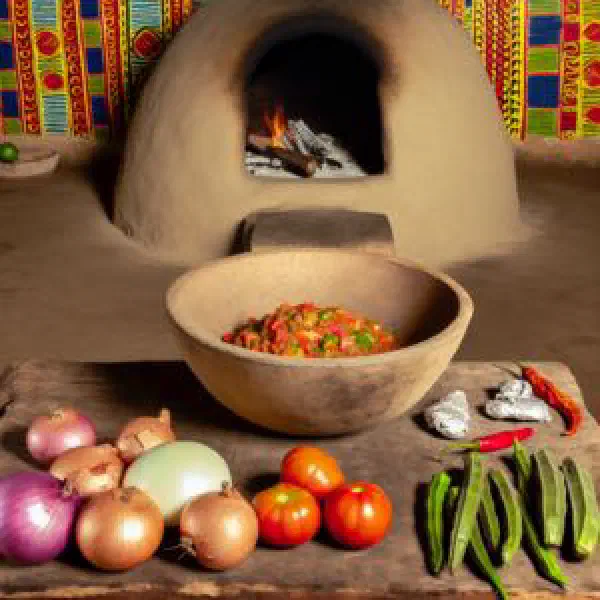
- 200 g lalo (jute) leaves or spinach
- 1 onion
- 2 tomatoes
- 2 cloves of garlic
- 1 chilli (optional)
- 1 teaspoon oil (such as peanut or olive oil)
- Spices (salt, pepper, paprika, cumin)
- Water or vegetable stock
Shopping for the ingredients
When making Lalo Sauce it is important to choose fresh, good-quality ingredients. The lalo leaves are available in most Asian or African grocery stores, and sometimes in a well-stocked supermarket too. Vegetables such as onions and tomatoes should be as fresh as possible to intensify the flavour of the sauce. We also recommend reaching for organic spices to lift the overall aroma.
Preparing the dish
Before you start cooking the Lalo Sauce, it is worth getting all the ingredients ready. First, wash the lalo leaves or spinach thoroughly to remove any grit or impurities. The vegetables are then rinsed and cut into small pieces. Finely chop the onion and garlic so they release their flavour to the full. Don’t forget to deseed the chilli to taste, so the sauce reaches just the level of heat you are after.
Step-by-step instructions
- Heat the oil in a large pot and add the onions. Fry them until translucent.
- Add the garlic and the chilli and sauté briefly.
- Stir in the diced tomatoes and let them simmer for a few minutes until soft.
- Add the lalo leaves or spinach and stir well.
- Pour in a little water or vegetable stock so the sauce reduces gently.
- Season the mixture with salt, pepper and the other spices, then let it simmer for a further 10–15 minutes.
Gluten-free / lactose-free version
Lalo Sauce is naturally gluten-free and lactose-free, since it contains no grain products or dairy. That makes it an excellent choice for anyone with an intolerance or allergy. Just take care to use oils and spices that are also free from gluten-containing ingredients.
Tips for vegans and vegetarians
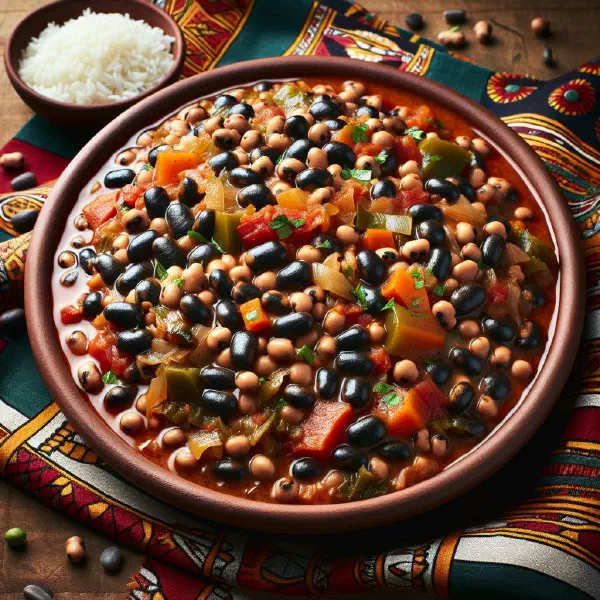
Lalo Sauce is ideal for vegans and vegetarians, as it is entirely plant-based. To add even more protein, you can stir in chickpeas or lentils, the same hearty pulses that give Ndambe Aux Pois Chiches its staying power. These enrich the flavour and boost the nutritional balance of the dish. Other vegetables such as carrots or courgette are easy to fold in too, depending on personal taste and what is available.
More tips and tricks
There are plenty of creative ways to make the most of Lalo Sauce. Experiment with different spices to discover new flavours, or add healthy fats such as avocado or nuts to give the dish extra variety. One handy trick is to prepare the sauce the day before, as the flavours grow even more intense overnight. Always serve it fresh and as warm as possible for the best eating experience.
Adapting the recipe to your taste
The beauty of Lalo Sauce lies in its versatility; you can adjust the recipe easily to suit your own preferences. Make sure the ingredients match your taste and any dietary requirements. You can dial the heat up or down, for example, by using more or less chilli. The vegetables can be varied without any trouble too, letting you weave in new flavours and textures.
Ingredient substitutions
If you don’t have every ingredient for Lalo Sauce to hand, there are plenty of alternatives to fall back on. The lalo greens can be replaced with chard or a mix of different leafy vegetables, much like the greens that shine in Sauce Gombo. Instead of fresh tomatoes you can use tinned ones, which offer the same savoury depth.
Drink pairing ideas
To round off the experience of Lalo Sauce, there are many drinks that make a good match. A fresh mint tea or a fruity juice complements the flavours of the sauce beautifully. Many people also prefer a cool glass of water or a zesty homemade lemonade for a refreshing contrast. Experiment with different drinks to find your perfect pairing.
Serving and presentation ideas
Presentation plays a big part in making the dish even more inviting. Arrange the Lalo Sauce in an attractive bowl and garnish it with fresh herbs such as parsley or coriander. Serve it with a portion of rice or some fresh bread on a decorative plate. A thoughtful presentation adds to the visual pleasure and turns the meal into something special.
A bit of history
Lalo Sauce has its origins in Senegalese cooking and reflects the rich variety of West African culinary traditions. In many regions of Senegal it is served as an everyday meal and at festivals and celebrations. The use of fresh, local ingredients keeps the tradition alive and supports people’s well-being. The dish is a symbol of the hearty, warm-hearted hospitality of Senegalese cuisine.
More recipe ideas
Summary: Lalo Sauce
Lalo Sauce is a tasty, nourishing dish of Senegalese cooking that wins people over with its simple yet high-quality ingredients. Its distinctive flavour and versatility make it a firm favourite for many. Whether as a side or a main course, it brings the heart of West Africa to the table and lets you get closer to the rich culture of Senegal. Give this wonderful recipe a try and enjoy a little bit of Senegal in your own kitchen.