National Dish Senegal: Légumes Farcis (Recipe)
In this article
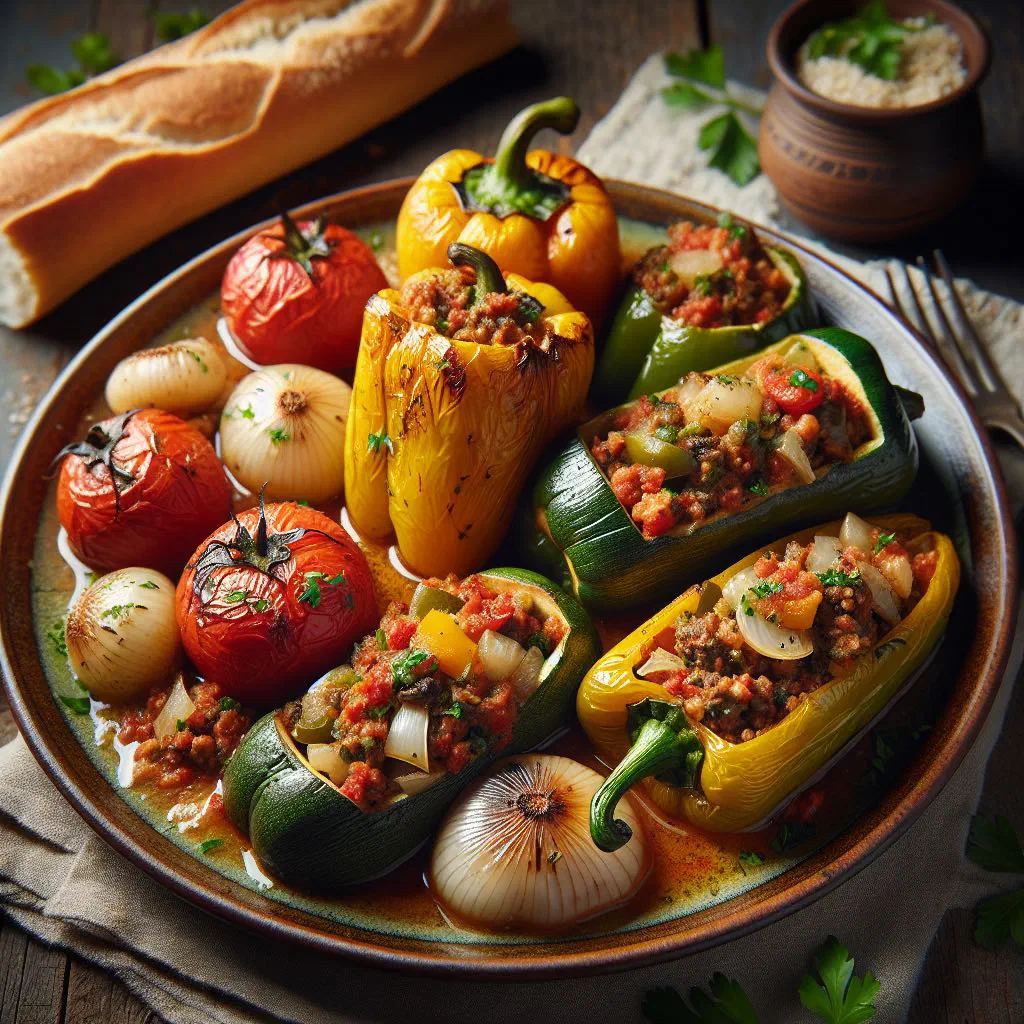
Say hello to Légumes Farcis, a warm-hearted classic of the Senegalese table. Colourful peppers and aubergines are hollowed out and packed with a fragrant filling of minced meat, rice and aromatic spices, then baked until tender. More than just a meal, these stuffed vegetables carry the generosity and hospitality that Senegal is famous for. Bring a taste of West Africa to your own kitchen and enjoy a dish that is as inviting to look at as it is to eat.
About Légumes Farcis
Légumes Farcis, or stuffed vegetables, are a true jewel of Senegalese cuisine. This traditional dish is often built around a variety of hearty, seasonal vegetables such as peppers, aubergines and courgettes, filled with a delicious mixture of minced meat, rice and aromatic spices. It is more than a plate of food; it is a culinary embrace that captures the warmth and hospitality of the Senegalese people. Popular far beyond Senegal itself, Légumes Farcis are known and loved right across West Africa.
Ingredients (serves 1–2)
- 2 large peppers or aubergines
- 200 g minced meat (beef or lamb)
- 100 g rice, uncooked
- 1 onion, finely chopped
- 2 cloves garlic, crushed
- 1 tsp paprika
- 1 tsp turmeric
- Salt and pepper to taste
- 1 tbsp olive oil
- Fresh herbs (such as parsley or coriander), to garnish
Shopping for the ingredients
When making Légumes Farcis it is well worth choosing the best ingredients. Start with fresh vegetables, as the quality of the peppers and aubergines shapes the whole flavour of the dish. A trip to a local market is ideal for finding the freshest produce. Look for top-quality minced meat to make the most of the taste, organically reared meat is often a good choice. And do not forget to stock up on the spices, as they are essential to the finished flavour.
Preparing the dish
For the best results, a thorough preparation of the ingredients is essential. Begin by cooking the rice, as this takes a little time. While the rice simmers, get the vegetables ready. Cut the caps off the peppers or aubergines and carefully hollow them out, leaving plenty of room for the filling. This groundwork gives your dish an appealing look and ensures even cooking throughout.
Step-by-step instructions
- Bring the rice to the boil in a pan of water and cook for 15 minutes, until soft.
- Heat the olive oil in a frying pan, then add the onions and garlic and sauté.
- Add the minced meat and fry until cooked through, then stir in the spices.
- Fold the cooked rice into the meat mixture and combine everything well.
- Fill the prepared vegetables generously with the mixture.
- Place the stuffed vegetables in an ovenproof dish and bake in a preheated oven at 180°C for about 30 minutes.
- Once cooked, remove from the oven, leave to cool slightly and garnish with fresh herbs.
Gluten-free / lactose-free version
Légumes Farcis are naturally a gluten-free and lactose-free option, as they are made mainly from fresh vegetables, rice and meat. Just make sure the spices and oils you use are also free from gluten. This flexibility makes the dish especially well suited to people with food intolerances. Enjoy the flavours without a second thought, and experiment with different fillings to discover brand-new tastes.
Tips for vegans and vegetarians
For those following a vegan or vegetarian diet, Légumes Farcis are easy to adapt. Swap the minced meat for a mixture of chopped vegetables, lentils or plant protein to keep up the protein content. You could also use quinoa in place of rice, which lends the dish a lovely nutty flavour. Finish the filling with nuts or dried fruit for a fresh new twist. The same wholesome approach shines in a hearty Ndambe.
More tips and tricks
Experiment with the spices in your recipe. Senegalese cooking is known for its creative combinations, so do not be shy about exploring new flavours. You might add chilli for a fiery kick, or a little extra cumin for an earthy depth. Ideally, make the mixture the day before and let it rest so the flavours have time to intensify. Less is sometimes more, so keep the presentation simple and let the dish take centre stage.
Adapting the recipe to your taste
Tailor Légumes Farcis entirely to your own taste. You can use different vegetables or change the filling to create new flavour combinations. If you prefer something less meaty, try a mix of mushrooms and plant protein for the filling. Your chosen spices can vary too; play with sweet and savoury elements to shape the dish just the way you like it. That way you end up with something that is not only delicious but carries your own personal signature.
Ingredient substitutions
Légumes Farcis are wonderfully versatile and lend themselves to plenty of substitutions for the traditional ingredients. In place of rice, quinoa or even cauliflower rice makes a great base for the filling. The vegetables can be adapted to the season and your preferences too; tomatoes or carrots, for example, work beautifully as alternative vessels for the filling. Swaps like these give your dish a personal touch while adding a healthy dose of variety, much like the flexible bean-based Saladu Nebbe.
Drink pairing ideas
To round off your Légumes Farcis perfectly, reach for light and refreshing drinks. A classic Senegalese favourite such as Bissap (hibiscus iced tea) harmonises beautifully with the spices and aromas of the dish. Alternatively, a light wheat beer or a dry rosé pairs well with the vegetables and the savoury filling. Serve your drinks in stylish glasses to complete the atmosphere.
Serving and presentation ideas
Presentation is an important part of the meal and can enrich the whole dinner experience. Serve the stuffed vegetables on a large platter and garnish with fresh herbs or a yoghurt sauce for dipping. Use colourful side dishes or a bright mixed salad to lift the plate visually. Remember that we eat with our eyes first, so take a little time to arrange the ingredients attractively.
A bit of history
The roots of Légumes Farcis reach deep into the history of West African cuisine and reflect the influences of many different cultures. Originally shaped by farming life, the various ethnic groups of Senegal have each developed their own variations and recipes, making the dish truly distinctive. Today it is a firm fixture at Senegalese celebrations and family meals. It is about flavour, and the culture and community that are celebrated with every dish of Senegalese cuisine.
More recipe ideas
Summary: Légumes Farcis
In short, Légumes Farcis are far more than just a dish; they are a genuine cultural experience of Senegalese gastronomy. With their wide range of ingredients and endless room for adaptation, you can shape this dish entirely to your own taste. These stuffed vegetables are always a hit. Dive into the delicious flavours and the colourful history, and enjoy a little piece of Senegal on your plate.