National Dish Senegal: Maafé (Recipe)
In this article
Meet Maafé, the rich and comforting peanut stew that sits at the heart of Senegalese cooking. Tender meat and fresh vegetables are simmered together in a velvety groundnut sauce that is savoury, warming and deeply satisfying. It is the kind of dish that draws family and friends around the table, whether for a festive celebration or a relaxed supper at home. With this recipe you can bring the unmistakable flavours of West Africa straight to your own kitchen.
About Maafé
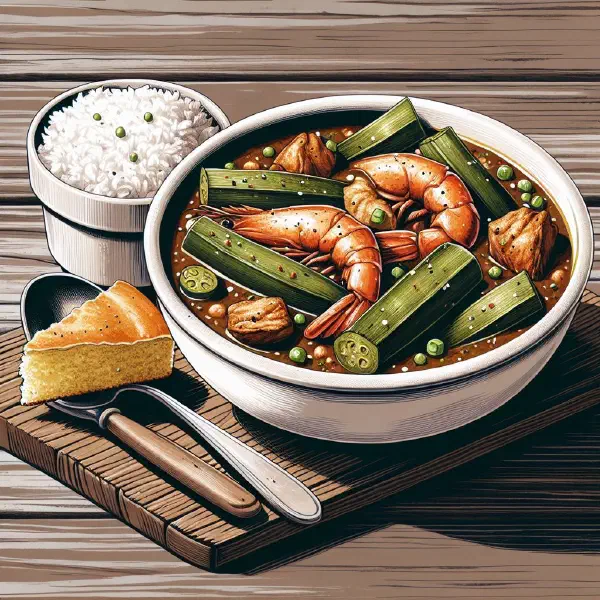
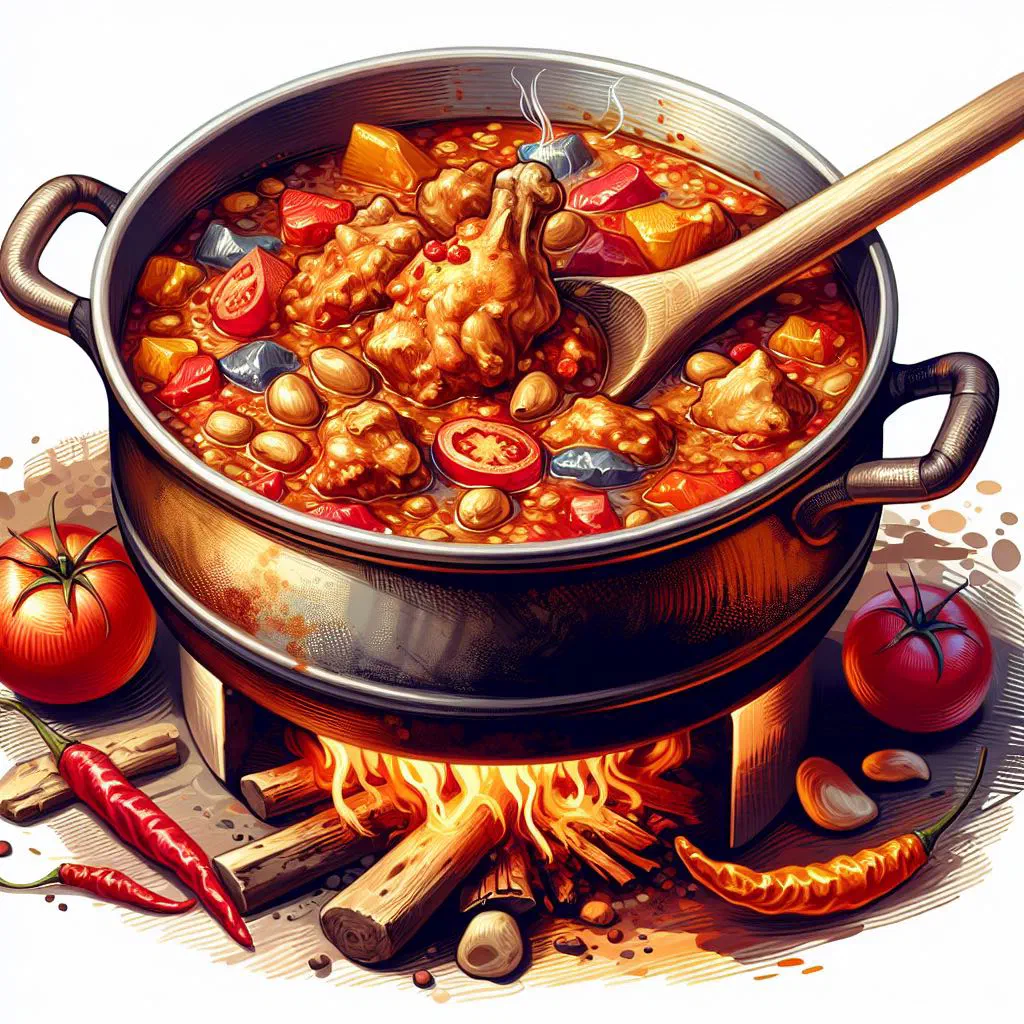
Maafé, also known as peanut stew, is a traditional Senegalese dish celebrated for its hearty, savoury flavours. Peanuts play the starring role here, lending the sauce its characteristic richness and creamy texture. The combination of tender meat, fresh vegetables and a generous groundnut sauce makes Maafé a firm favourite for festive occasions and special gatherings. Whether at a family celebration or simply as part of a cosy evening meal, Maafé brings the distinctive taste of West Africa to the table.
Ingredients (serves 1–2)
- 200 g chicken breast or beef
- 2 tablespoons peanut butter
- 1 onion, diced
- 1 carrot, sliced
- 1 potato, diced
- 1 pepper, diced
- 2 cloves garlic, chopped
- 400 ml vegetable or meat stock
- 1 teaspoon paprika
- 1 teaspoon cumin
- Salt and pepper to taste
- Fresh parsley, to garnish
Shopping for the ingredients
When shopping for the ingredients for Maafé, it is worth paying attention to the quality of what you buy. Visit local markets or supermarkets to pick up fresh vegetables and good cuts of meat. Look in particular for natural peanut butter, as this gives the sauce the best flavour and the smoothest consistency. If you plan to cook the dish often, it can make sense to buy the store-cupboard staples in larger quantities.
Preparing the dish
Before you start cooking Maafé, it is a good idea to get all the ingredients ready. Cut the vegetables into even pieces so they cook uniformly. The meat should be cut into bite-sized chunks to keep the cooking time short. This makes the preparation easier and helps the finished dish look more appealing.
Step-by-step instructions
- In a large pot, brown the meat in a little oil until it is nicely coloured on all sides.
- Add the onion and garlic and fry, stirring occasionally, until they turn translucent.
- Add the prepared vegetables and fry for a few minutes so they take on a little colour.
- Stir in the peanut butter and mix well until everything is evenly coated.
- Pour in the stock and bring to the boil. Then reduce the heat and let the dish simmer for at least 30 minutes.
- Season to taste and continue simmering as needed, until the vegetables and meat are tender.
- Garnish with fresh parsley and serve.
Gluten-free / lactose-free version
Maafé is naturally gluten-free and lactose-free, as the main ingredients contain no such components. For this reason, use only fresh, natural products to avoid any possible cross-contamination. Make sure the stock you use is also gluten-free, especially if you are buying a ready-made version. This makes Maafé an excellent choice for anyone with a gluten or lactose intolerance.
Tips for vegans and vegetarians
For a vegan or vegetarian version of Maafé, the meat can be replaced with tofu or seitan. These are prepared in much the same way and offer a wonderful base for the peanut sauce. Add plenty of extra vegetables to boost the variety of nutrients. Pulses such as black beans or chickpeas, much like those in Ndambé, also make a great addition, giving the dish a new texture.
More tips and tricks
To deepen the flavour of Maafé, you can add a few secret spices, such as ginger or a pinch of cinnamon. These lend a unique note and harmonise beautifully with the existing aromas. Let the dish rest for a while so the flavours can fully develop. Serving it with a spoonful of rice or fufu also makes the meal even more filling and satisfying.
Adapting the recipe to your taste
Maafé lends itself wonderfully to being adapted to your own preferences and personal taste. Experiment with different cuts of meat or vegetables to give the dish your own twist. The level of heat can be adjusted to suit you too. If you like things a little spicier, add fresh chillies or hot spices to give the dish an extra kick, much as you might with a fiery Poulet Yassa.
Ingredient substitutions
There are plenty of alternatives to the classic ingredients in Maafé. Instead of peanut butter, you could use almond or cashew butter, which harmonise just as deliciously. With the vegetables, make the most of seasonal produce to bring a fresh note to the dish.
Drink pairing ideas
A range of drinks pairs wonderfully with Maafé and complements the flavour of the dish. A refreshing lime water or a homemade fruit spritzer makes a perfect companion. For beer lovers, a light lager works well and harmonises nicely with the savoury aromas. If you prefer something alcohol-free, a fruity lemonade or a robust herbal tea is a great choice.
Serving and presentation ideas
The presentation of a dish is almost as important as its flavour. Serve Maafé in attractive, deep bowls and garnish it with fresh parsley or a few chopped peanuts for a bit of crunch. Colourful vegetables or small pieces of fresh fruit arranged around the dish add to its visual appeal. Use golden table settings or traditional West African pots to give the meal a cultural touch.
A bit of history
Maafé has a long history that is deeply rooted in Senegalese culture. Originally prepared by various ethnic groups across West Africa, the dish has evolved over the years. The peanut plant is among the oldest crops of the region, and its use in the kitchen speaks to the culinary creativity of its people. Maafé is therefore regarded not just as food but as a symbol of togetherness and community, a hallmark it shares with much of Senegalese cuisine.
More recipe ideas
Summary: Maafé
Maafé is more than just a dish. It is an inviting experience that embodies the flavours and traditions of Senegal. With its delicious combination of peanuts, tender meat and fresh vegetables, it is a perfect example of West African cooking. Whether for a special occasion or an everyday meal at home, Maafé brings a little piece of Senegal to your table. Let this recipe inspire you and savour every single bite.