National Dish Senegal: Saka Saka (Recipe)
In this article
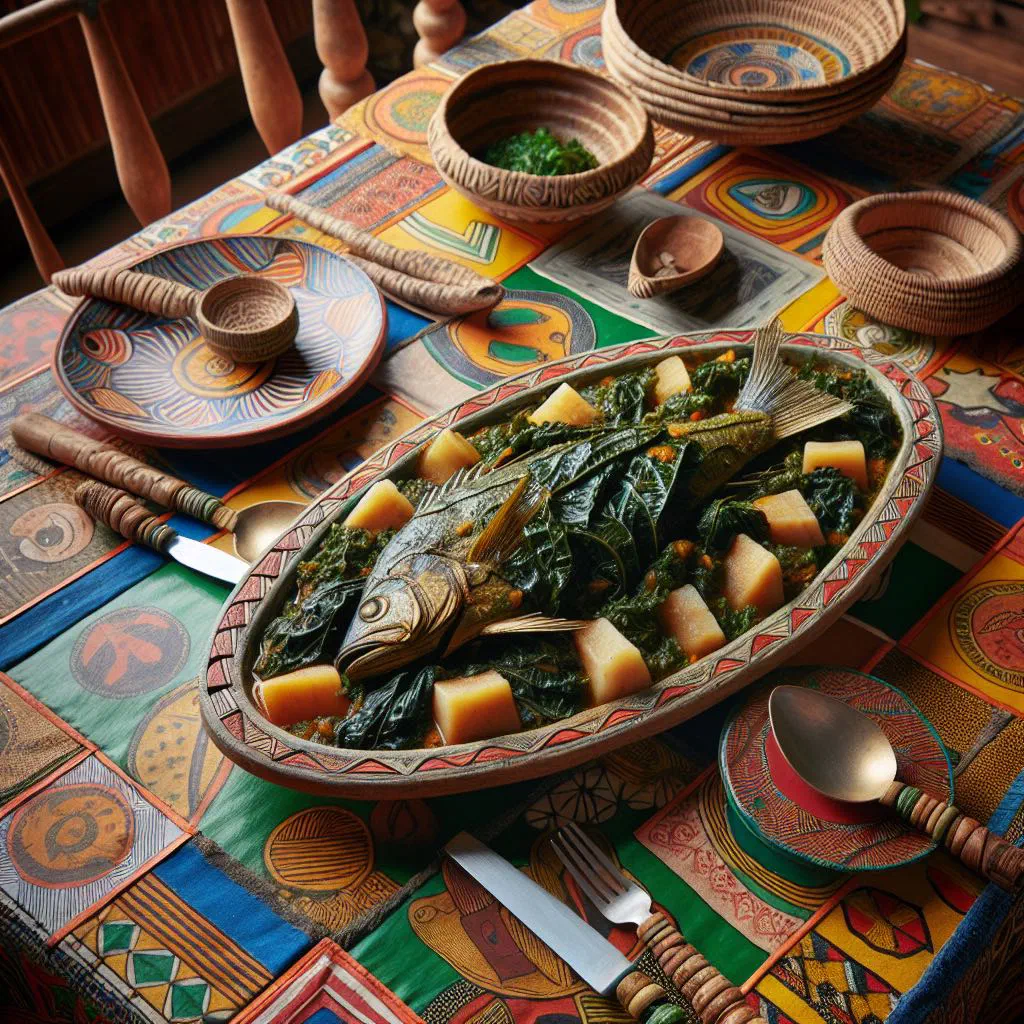
Discover Saka Saka, a wholesome classic of West African cooking that puts finely chopped cassava leaves at its heart. Simmered gently with fresh onions, ripe tomatoes and a fragrant blend of spices, it delivers a deeply savoury flavour that carries the warmth of the Senegalese table. Often served alongside fish or meat, it makes a nourishing centrepiece that is every bit as satisfying for a relaxed weeknight supper as for a gathering with friends and family.
About Saka Saka
Saka Saka is a classic national dish of Senegal that captures the very essence of West African cuisine. Its main ingredient is steamed or boiled cassava leaves, prized for their nutrient-rich make-up. The leaves are cooked together with fresh onions, tomatoes and a generous range of spices that give the dish its distinctive, earthy character. Saka Saka is frequently served with fish or meat, making it a wonderful choice for anyone who appreciates hearty, flavour-packed food.
Ingredients (serves 1–2)
- 200 g cassava leaves
- 1 large onion
- 2 ripe tomatoes
- 2 tablespoons peanut oil or vegetable oil
- 1 teaspoon garlic, chopped
- 1 teaspoon ginger, grated
- Salt and pepper to taste
- Optional: fish or meat of your choice
Shopping for the ingredients
To make the perfect Saka Saka, it is worth seeking out good-quality ingredients. Cassava leaves can usually be found in African grocery shops or in specialist health-food stores. When buying tomatoes, look for ones that are fresh and ripe to guarantee the best flavour. For the onions, yellow or red onions are a great choice, as they lend excellent depth to the finished dish.
Preparing the dish
Before you begin cooking Saka Saka, it is important to prepare the ingredients well. Start by washing and chopping the cassava leaves into small pieces if they are not already pre-cut. The onions and tomatoes should be diced so that they cook evenly and blend together nicely. Chopping the garlic and grating the ginger are equally key steps for releasing the full aroma into the dish.
Step-by-step instructions
- Heat the peanut oil in a large pan over a medium heat.
- Add the chopped onion and fry until golden brown.
- Add the garlic and ginger to the pan and sauté briefly until fragrant.
- Stir in the diced tomatoes and cook for a few minutes until they soften.
- Add the cassava leaves and stir well so that all the ingredients are evenly distributed.
- Season with salt and pepper and let everything simmer for about 15 minutes, until the leaves are tender.
- Optional: cook the fish or meat separately and serve it alongside as an accompaniment.
Gluten-free / lactose-free version
One great advantage of Saka Saka is that it is naturally gluten-free and lactose-free. This makes it an excellent dish for anyone with a corresponding intolerance or allergy. Just take care that all the ingredients you use, especially the oil and your chosen protein, are gluten-free. This flexibility means the dish can be worked into a wide variety of diets with ease.
Tips for vegans and vegetarians
For vegans and vegetarians, Saka Saka is a perfect choice, being both plant-based and richly nourishing. Using vegetable oil and leaving out animal products entirely makes it an ideal meat-free meal. If you would like a protein-rich addition, you can stir in tofu or another plant-based protein source. Such alternatives complement the flavour and texture of the dish beautifully.
More tips and tricks
A key factor in a really tasty Saka Saka is the choice of spices. Experiment with different African spices such as cumin or coriander to discover new flavour notes. Adding a pinch of chilli for heat can also make the dish more interesting. Making sure that all your ingredients are fresh will further intensify the flavour considerably.
Adapting the recipe to your taste
The lovely thing about Saka Saka is the versatility of the recipe. You can adjust the amount of tomatoes or onions to suit your own preferences. If you prefer something less robust, you can hold back on the spices. Swapping the cassava leaves for spinach or chard is another interesting variation well worth trying, much like the tender greens that shine in a Lalo Sauce.
Ingredient substitutions
If cassava leaves are not available, there are several alternatives you can use. Common substitutes are spinach or bok choy, which can be just as delicious in combination with onions and tomatoes. Kale can also be an excellent choice for achieving a similar flavour. Do bear in mind, though, that cooking times may vary depending on the leafy green you use.
Drink pairing ideas
An excellent drink to enjoy with Saka Saka is a fresh fruit smoothie or palm wine, which is popular in many parts of Senegal. You could also serve a fizzy lemonade or a light beer to complement the flavours of the dish. For a non-alcoholic option, herbal tea or ginger beer are both well worth recommending. Choose a drink that harmoniously supports the savoury character of the meal.
Serving and presentation ideas
Presentation is just as important with Saka Saka as the cooking itself. Use a shallow bowl to serve the dish and garnish it with freshly chopped herbs such as coriander or parsley. Arranging it on a brightly coloured plate can also help please the eye. Remember that an appealing presentation often has a positive influence on the eating experience too.
A bit of history
Saka Saka has a long tradition in Senegalese cuisine and is widespread across many African countries. The use of cassava leaves grew out of local conditions, where these plants flourish in abundance. Over the years the dish has taken on various forms, depending on regional ingredients and culinary preferences. It is a delicacy and a reflection of the cultural diversity and history of Senegal, and one of the standout dishes of Senegalese cuisine.
More recipe ideas
Summary: Saka Saka
Saka Saka is a nourishing and flavoursome dish that whisks you away to the warmest aromas of Senegal. The combination of cassava leaves, onions, tomatoes and spices produces a truly unique taste experience, often served with fish or meat. This dish offers delicious flavours and valuable nutrients, making it a healthy choice for any meal. Let the varied and colourful world of West African cooking inspire you to give it a try.