National Dish Senegal: Senegalese Couscous (Recipe)
In this article
Discover Senegalese couscous, a warm and welcoming dish that carries the spirit of West African hospitality. Fluffy semolina is spooned over a colourful medley of vegetables, tender chickpeas and your choice of chicken or fish, all lifted by fragrant spices. It is the kind of generous, shareable meal made for lively gatherings and unhurried family dinners alike. Bring the flavours of Senegal to your own table with this comforting classic.
About Senegalese Couscous
Senegalese couscous is far more than just a meal; it is woven into the culture and traditions of Senegal. It is typically made from fine semolina milled from durum wheat, then served with a generous array of accompaniments, fresh vegetables and a choice of proteins such as chicken, beef or fish. Thanks to its versatility, couscous can be adapted to suit all sorts of tastes and dietary needs, which is part of what makes it such a beloved centrepiece of Senegalese cuisine.
Ingredients (serves 1–2)
- 200 g couscous
- 1 courgette
- 1 carrot
- 100 g chickpeas (pre-cooked)
- 250 ml vegetable stock
- 200 g chicken breast or fish fillet
- 2 tablespoons olive oil
- Spices (cinnamon, cumin, paprika, to taste)
- Salt and pepper, to taste
Shopping for the ingredients
When shopping for Senegalese couscous, it is important to choose fresh, good-quality produce. Look for vegetables that are crisp and bright in colour, as this is often a sign of freshness. When picking your meat or fish, opt for sustainable and, where possible, local sources. Many of these ingredients can be found in African or international grocery shops, though most are easy to source in a regular supermarket too.
Preparing the dish
Preparing Senegalese couscous is a simple and quick process. Start by washing the vegetables thoroughly and cutting them into small cubes so they cook evenly. If you are using meat or fish, cut it into bite-sized pieces and season it well before cooking. These few steps ensure the flavours have the best chance to develop as the dish comes together.
Step-by-step instructions
- Heat the olive oil in a pan and add the vegetables. Fry them for about 5 minutes.
- Add the pre-cooked chickpeas and season everything with salt, pepper and your chosen spices.
- Add the piece of meat or fish and fry briefly until it takes on a little colour.
- Pour the vegetable stock into the pan and bring everything to the boil.
- Add the couscous, stir, then take the pan off the heat. Leave the couscous to steam and swell for 5 minutes.
- Fluff the couscous with a fork and serve the dish warm.
Gluten-free / lactose-free version
For a gluten-free version of Senegalese couscous, you can use quinoa or polished rice. These alternatives are gluten-free and offer a texture similar to couscous. Do check the spices you use to make sure they contain no gluten. If you want to cook lactose-free, all of the ingredients in this recipe are already lactose-free, so no further adjustments are needed.
Tips for vegans and vegetarians
Vegan or vegetarian versions of Senegalese couscous are very easy to prepare. Instead of meat or fish, use extra vegetables or plant-based proteins such as tofu or tempeh. Spices and herbs come into their own here, delivering a full, rounded flavour. Remember to add some vegetable stock made without any animal products, and you have a hearty meatless main that loses none of its character.
More tips and tricks
To deepen the flavour of Senegalese couscous, try adding a little lemon juice or fresh herbs such as coriander or parsley. These give the dish an extra burst of freshness. You can also stir in nuts or dried fruit to vary the texture and add a touch of sweetness, much as you might in a bowl of Thiakry.
Adapting the recipe to your taste
The beauty of Senegalese couscous lies in its versatility. You can adapt the recipe entirely to your own preferences. If you like things spicier, add chilli or harissa. For a milder version, use fewer spices. You can also make the most of seasonal vegetables, which makes the dish not only tastier but more sustainable too.
Ingredient substitutions
If you do not have certain ingredients for Senegalese couscous to hand, alternatives are easy to find. In place of chickpeas you can use beans or lentils, which also make a good source of protein, just as they do in a comforting bowl of Ndambé. Instead of chicken you might use lamb or beef. Using a range of different vegetables boosts the variety of nutrients and makes the dish more colourful.
Drink pairing ideas
A range of drinks pairs beautifully with a delicious Senegalese couscous. A fresh mint tea is a traditional choice that rounds off the meal perfectly. Alternatively, you could serve a dry white wine or a cool, lightly sparkling water. Fruit juices, such as mango or pineapple, offer a fruity counterpoint and bring out the aromas of the spices, as does a glass of tangy Bissap Drink.
Serving and presentation ideas
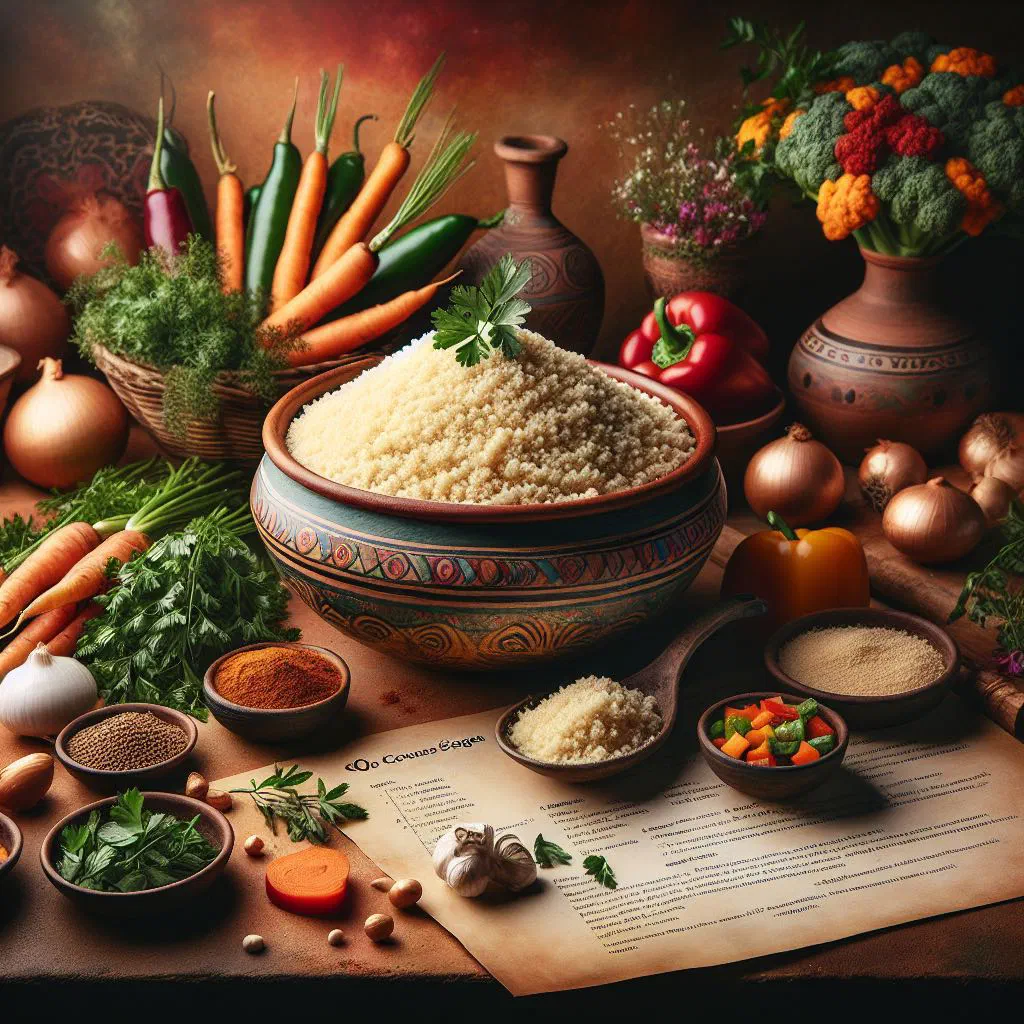
Presentation can lift the impression of Senegalese couscous considerably. Serve the couscous in a large bowl and garnish it with fresh herbs or lemon slices. Small dishes of accompaniments, such as salsa or yoghurt, add an attractive touch to the table. Use colourful napkins and tableware to emphasise the West African flair and create a warm, inviting atmosphere.
A bit of history
Senegalese couscous has its roots in West African cooking and is traditionally served at celebrations and special occasions. It reflects the many cultural influences that come together in Senegal, including Arabic and French traditions. Preparing couscous is often a communal affair, with family members working together and treating the cooking as an opportunity for social exchange. By varying the ingredients and methods, this dish stays lively and adaptable to modern tastes, a spirit it shares with festive favourites like Ceebu Jen and Maafé.
More recipe ideas
Summary: Senegalese Couscous
Senegalese couscous offers a rich and flavourful experience that reflects the culinary traditions of Senegal. This dish is easy to prepare and can be adapted at will, making it suitable for every taste. With its varied ingredients and layered aromas, it is ideal for sociable gatherings or a cosy family dinner. Bring the flavours of Africa into your own kitchen with this captivating dish.