National Dish Senegal: Thieboudienne Rouge (Recipe)
In this article
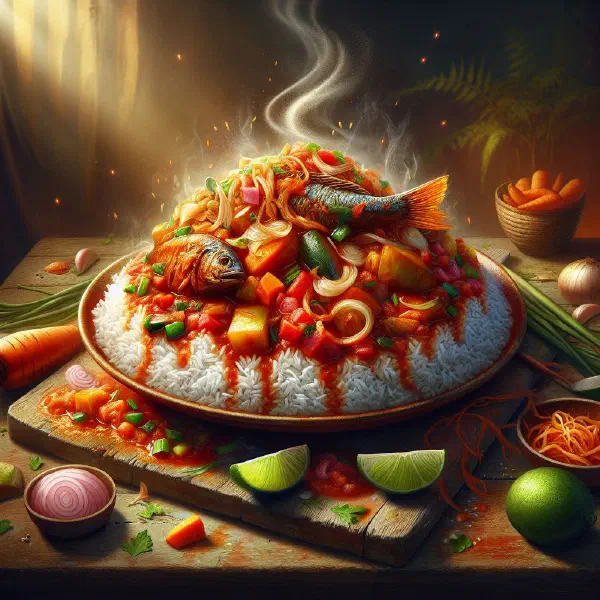
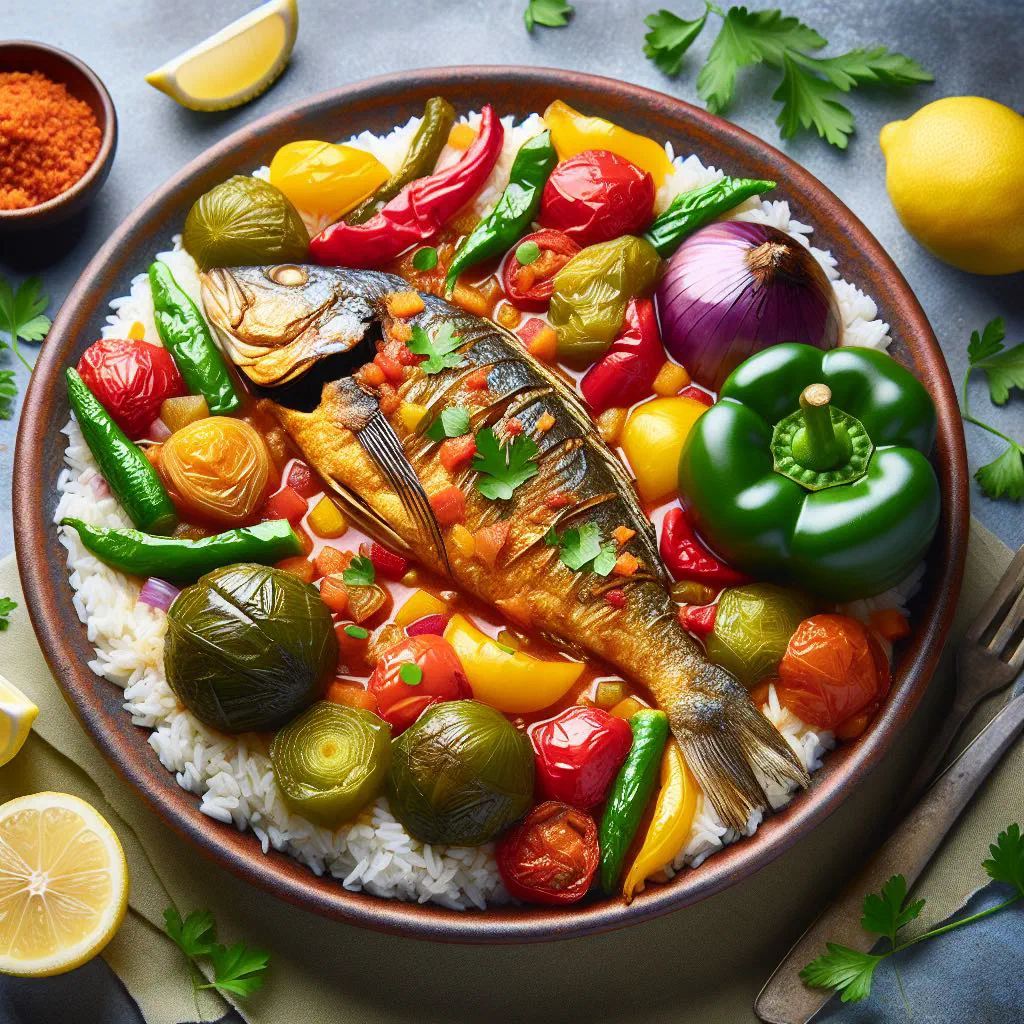
Say hello to Thieboudienne Rouge, the national dish of Senegal and a true culinary discovery. It brings together fresh fish, fragrant spices and a colourful medley of vegetables, all simmered together with rice until every grain has soaked up the flavour. Nourishing, bright and generous, this one-pot classic is a feast for the senses and a proud symbol of Senegalese cooking. Bring the warmth of a West African kitchen straight to your own table.
About Thieboudienne Rouge
Thieboudienne Rouge is the national dish of Senegal and a genuine culinary treasure. It is a delicious combination of fresh fish, aromatic spices and a variety of colourful vegetables, all cooked together with rice. The dish is nourishing and radiates the diversity and culture of Senegalese cuisine. It is a feast for the senses and has become a proud emblem of the country’s gastronomy, served at family gatherings and celebrations alike.
Ingredients (serves 1–2)
- 250 g fish fillet (e.g. tilapia or sea bream)
- 200 g rice
- 1 onion
- 2 tomatoes
- 1 carrot
- 1 pepper
- 1 clove of garlic
- Ginger (a small piece)
- 2 tablespoons tomato purée
- Oil (e.g. groundnut oil)
- Spices: salt, pepper, paprika, chilli
- Fresh herbs (e.g. parsley or coriander)
Shopping for the ingredients
For thieboudienne rouge it is important to choose fresh ingredients. Visit a local market to find the best fish fillets and the freshest vegetables. Pay particular attention to good-quality oil and aromatic spices, as they are decisive for the flavour of the dish. It is also worth looking for your ingredients in organic or sustainable shops to guarantee the very best freshness.
Preparing the dish
Before you begin making thieboudienne rouge, prepare all the ingredients properly. Cut the vegetables into even pieces so they cook uniformly. Marinate the fish fillet with a little seasoning to deepen its flavour. This step is essential for achieving a harmonious blend of aromas once everything comes together in the pot.
Step-by-step instructions
- Fry the onion and garlic in a large pot with oil until golden brown.
- Add the diced tomatoes, carrots and pepper and sauté briefly.
- Stir in the tomato purée and the spices and let everything simmer for a few minutes.
- Stir in the rice and mix well before adding water (roughly double the volume of rice).
- Lay the fish on top of the vegetables, put the lid on the pot and let everything simmer over low heat until the rice is cooked.
Gluten-free / lactose-free version
Thieboudienne rouge is naturally gluten-free and lactose-free, as its main ingredients are rice and fresh fish. It is important, however, to make sure the spices and oil you use are also free from gluten. By choosing fresh, unprocessed ingredients you can be certain the dish is suitable for anyone with these food intolerances, without losing any of its character.
Tips for vegans and vegetarians
For a vegan version of thieboudienne rouge, you can replace the fish with tofu or tempeh. These alternatives are rich in protein and take on the flavour of the spices beautifully. Adding a greater variety of vegetables makes the dish even more satisfying. To boost the flavour, it is worth using extra vegetable stock in place of the fish.
More tips and tricks
To get the most out of cooking thieboudienne rouge, it is important to rinse the rice thoroughly before it goes into the pot. This removes excess starch and keeps the rice light and fluffy rather than sticky. Another good tip is to garnish with freshly chopped herbs, which make the dish look appealing and add bright, fresh aromas. Experiment with different vegetables to adapt the dish to your own taste.
Adapting the recipe to your taste
The wonderful thing about thieboudienne rouge is how flexible it is when it comes to the ingredients. Depending on the season and your preferences, you can use different vegetables or vary the spices to suit yourself. You can also adjust the heat of the dish by using more or less chilli. This makes the recipe accessible to every palate, from cautious eaters to the more adventurous.
Ingredient substitutions
If you cannot find some of the ingredients for thieboudienne rouge, there are plenty of alternatives. Instead of fresh fish you can use seafood such as prawns or mussels, or even a combination of the two, much as you would in a comforting Yassa Au Poisson. For vegans, vegetable-rich falafel or seitan work well to create a similar texture.
Drink pairing ideas
A number of drinks pair wonderfully with a dish like thieboudienne rouge. A refreshing glass of cold water with lemon, or a fruity hibiscus tea, are both fantastic choices, and a chilled Sorbet De Bissap rounds off the meal perfectly. For those who enjoy an alcoholic option, a light white wine or a fruity cocktail also harmonises nicely. The right pairing of food and drink makes all the difference to a memorable meal.
Serving and presentation ideas
The presentation of thieboudienne rouge can lift the whole eating experience. Serve the dish on a large, shallow platter that shows off the bright colours of the rice, vegetables and fish. Decorate it with fresh herbs and a squeeze of lemon to add a bright accent. These small details make your dish delicious and visually inviting.
A bit of history
Thieboudienne rouge has a history, closely bound up with Senegalese culture and tradition. Originally developed by the Wolof, one of the largest ethnic groups in Senegal, the dish is an integral part of the nation’s gastronomy and a cornerstone of Senegalese cuisine. Its preparation has evolved over generations, with each family adding its own special touch. It is not merely food for the body but also a symbol of community and belonging.
More recipe ideas
Summary: Thieboudienne Rouge
In short, thieboudienne rouge is not merely a dish but an experience that appeals to the palate and reflects the cultural diversity of Senegal. Its many ingredient variations and methods of preparation offer endless encouragement to experiment in the kitchen. A vegan or a fish lover, the richness of its flavours will win you over. This dish is an invitation to discover and savour the culinary soul of Senegal.