National Dish Serbia: Kačamak (Recipe)
In this article
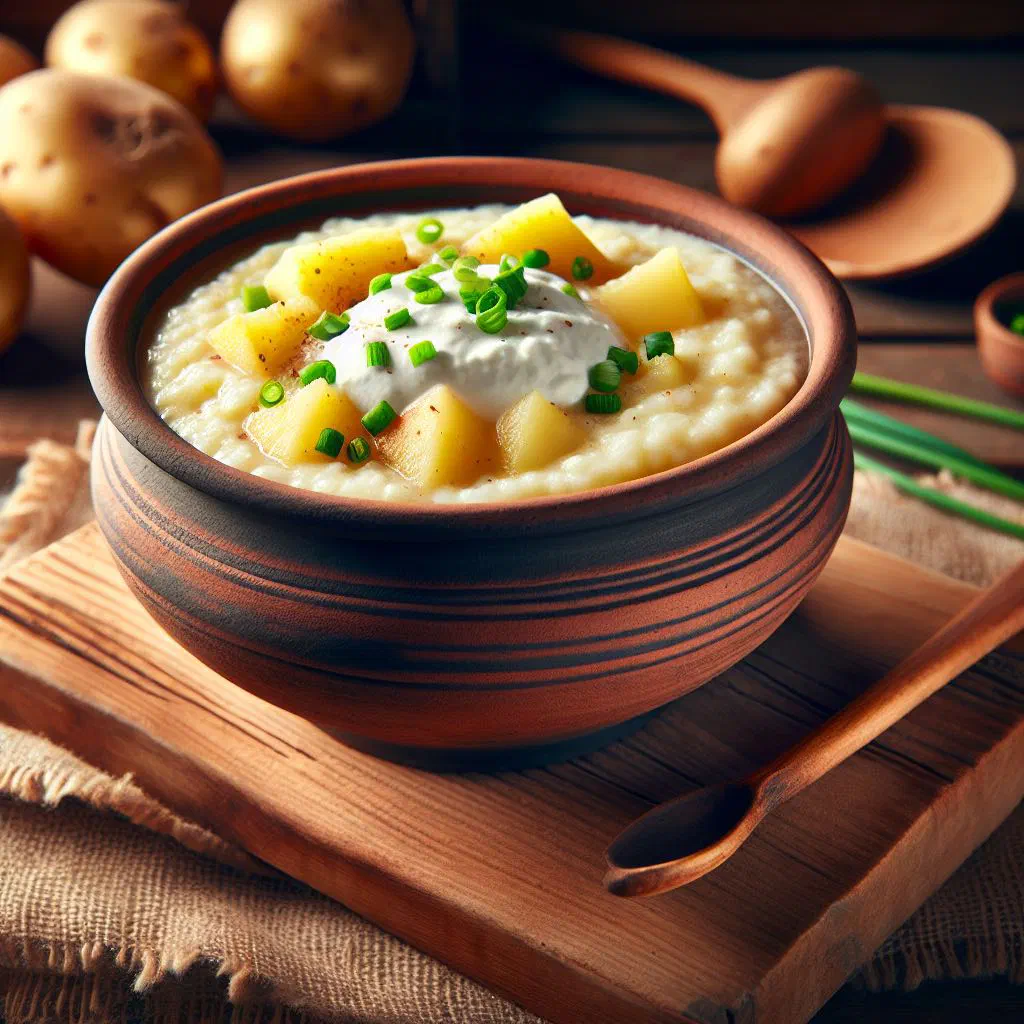
Meet Kačamak, a wonderfully humble dish that sits close to the heart of Serbian cooking. Made from little more than cornmeal, water and a knob of butter, it cooks down into a thick, comforting porridge that is both filling and deeply satisfying. Rustic yet endlessly versatile, it works beautifully as a side or as a main in its own right. Proof that the simplest ingredients often make the finest food.
About Kačamak
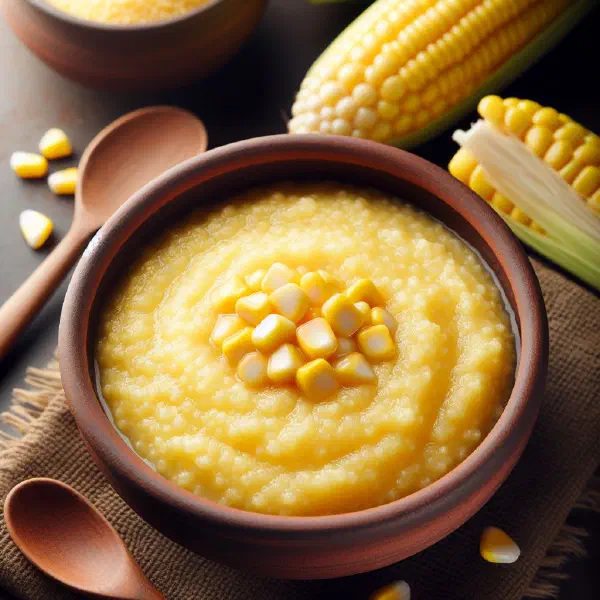
Kačamak is a special dish rooted deep in Serbian culture. Often regarded as a national favourite, it is easy to prepare and remarkably filling. The main ingredient is cornmeal, which is cooked with water, and sometimes potatoes, into a smooth, creamy consistency. The simplicity of the ingredients makes it an ideal choice for any occasion, whether served as a side dish or as a hearty main course, much like a comforting bowl of Kukuruzna Kaša.
Ingredients (serves 1–2)
- 200 g cornmeal
- 500 ml water
- 1–2 potatoes (optional)
- Salt to taste
- 1–2 tablespoons butter or olive oil
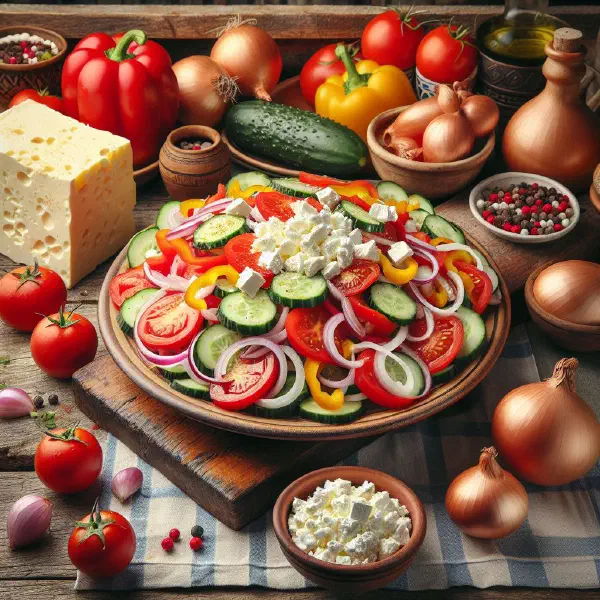
- Feta cheese or soured cream, to serve
Shopping for the ingredients
The ingredients for kačamak are usually easy to find in most supermarkets or at your local farmers’ market. Be sure to choose good-quality cornmeal, as this has a decisive influence on the flavour of the finished dish. If you would like to include potatoes, pick a waxy variety that will blend neatly into the creamy mixture. Feta cheese and soured cream make a lovely flavour combination and should be as fresh as possible.
Preparing the dish
Preparing kačamak is refreshingly straightforward. Begin by weighing and measuring all your ingredients so the cooking process runs smoothly. If you are using potatoes, peel and chop them in advance to shorten the cooking time. Good timing matters here, as it is the key to achieving that perfect, creamy consistency.
Step-by-step instructions
- Bring the water to the boil in a pan and add a pinch of salt.
- Once the water is boiling, add the cornmeal slowly while stirring continuously to prevent lumps.
- If you like, add the prepared potatoes and keep stirring until the mixture turns creamy.
- After about 10–15 minutes of cooking, once the dish is nicely thick, stir in the butter or olive oil.
- Serve the kačamak with crumbled feta cheese or a dollop of soured cream, and enjoy it hot.
Gluten-free / lactose-free version
One of the great things about kačamak is that it is naturally gluten-free, as long as you use pure cornmeal. For a lactose-free version, simply swap the butter for a plant-based oil and replace the feta with a vegan cheese. This keeps the dish both tasty and suitable for anyone with special dietary needs. These easy adjustments make it a wonderfully flexible option for the whole table.
Tips for vegans and vegetarians
For a vegan take on kačamak, replace all the animal products with plant-based alternatives. Use plant-based margarine instead of butter, for example, and a vegan cheese as your topping. Thanks to its simple ingredients, the dish offers a superb base that is easy to vary. That way vegans can enjoy this traditional favourite to the full, much as they would a hearty plate of Prebranac.
More tips and tricks
A few small tricks can lift the flavour of kačamak even further. Adding seasonings such as pepper, garlic or fresh herbs like parsley after cooking brings an exciting new note to the dish. You could also scatter over some toasted nuts for extra bite and texture. Experiment with different toppings until you have created your own perfect bowl of kačamak.
Adapting the recipe to your taste
Kačamak is an incredibly adaptable dish. You can easily vary the quantities depending on how many people you are feeding or how many leftovers you would like. You can also fold in extra ingredients such as vegetables or sausage to make the dish more varied. These little tweaks ensure that kačamak always matches your personal taste and stays exciting.
Ingredient substitutions
If you do not have cornmeal to hand, you can use other gluten-free flours such as buckwheat flour. Bear in mind that these may slightly alter the flavour and texture of kačamak. For an extra layer of aroma, try stirring flavoured herb oils or blends into the butter or olive oil. Be creative and explore the different ingredients you can bring to your kačamak, the versatile spirit runs right through Serbian cuisine.
Drink pairing ideas
Choosing the right drink for kačamak can lift the whole meal. A refreshing fizzy drink or a light white wine complements the flavours of the dish beautifully. A traditional Serbian brandy such as Domaća Rakija is a popular choice too. Experiment with different pairings to find the perfect match that brings out the dish’s character.
Serving and presentation ideas
Thoughtful presentation makes mealtimes with kačamak even more inviting. Serve the dish in a decorative bowl and garnish it with fresh herbs or extra sides such as feta and soured cream. Use colourful plates to create a pleasing contrast with the creamy tones of the dish. An attractive presentation appeals to the eye and whets the appetite in equal measure.
A bit of history
Kačamak has its roots in rural Serbian cooking, reflecting the simplicity and heartiness of traditional country dishes. It was often prepared as a peasant meal, since the ingredients were cheap and easy to come by. Over time, however, it has grown into a much-loved dish served in homes and restaurants across Serbia. In this way kačamak stands for a traditional meal and for the culture and history of the country, a story it shares with rustic classics like Kukuruzna Proja.
More recipe ideas
Summary: Kačamak
All in all, Kačamak is a versatile and nourishing dish that is both easy to prepare and thoroughly delicious. Its traditional roots and the scope for adaptation make it a great choice for every kind of eater, whether you are vegan, vegetarian or simply a lover of typical Serbian cuisine. Try it with different sides and drinks to get the very best out of this fascinating dish. Savour the delicious flavours of Serbia with every single spoonful.