National Dish Serbia: Kiseli Kupus (Recipe)
In this article
Discover Kiseli Kupus, a cornerstone of the Serbian table. Far more than a simple side, this tangy fermented cabbage speciality is a beloved staple in kitchens across the country. Made from crisp white cabbage that slowly sours over a week or two, it delivers a bright, sharp flavour and a wealth of natural goodness for the gut. Whether it graces the plate as a side or takes centre stage as a main, it brings a genuine taste of the Balkans to any home.
About Kiseli Kupus
Kiseli Kupus is not merely a dish but a firm part of Serbian culture. This delicious sauerkraut speciality is traditionally made from fermented white cabbage and features as a well-loved staple in countless households. Alongside its distinctive taste, it also carries plenty of health benefits, not least the way it supports healthy digestion. Equally at home as a side or a main course, this recipe brings a touch of Serbia into any kitchen.
Ingredients (serves 1–2)
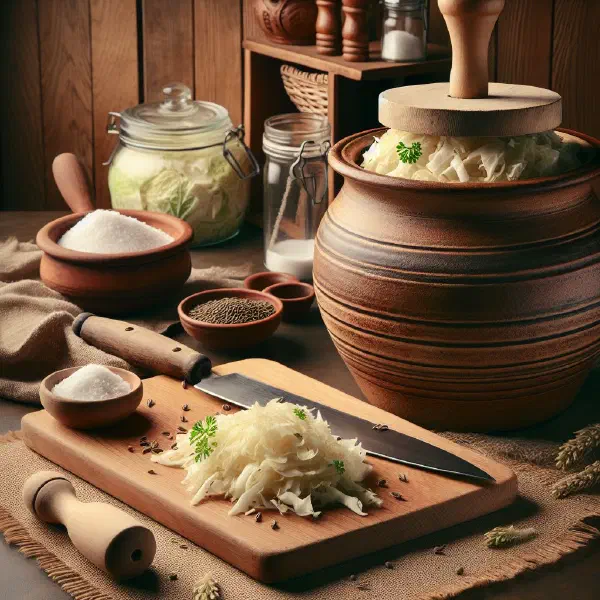
- 300 g fresh white cabbage
- 1–2 teaspoons salt
- 2–3 whole peppercorns
- 2–3 bay leaves
- 1 teaspoon caraway seeds
- Water, as much as needed
Shopping for the ingredients
For Kiseli Kupus, fresh white cabbage should take the leading role. Make sure the cabbage is crisp and green, as this has a real bearing on the quality of the fermentation process. Salt plays a decisive part too, since it drives the fermentation while drawing out the dish’s characteristic flavour. Spices such as peppercorns and caraway provide the aromatic nuances that make this dish so special. Most of these ingredients are easy to find at a local market or grocery.
Preparing the dish
Preparing Kiseli Kupus is straightforward and simply calls for a little time and patience. Shred the white cabbage into fine strips and massage it with salt so the cell structure breaks down. These steps are important for encouraging the fermentation to take hold. Make sure all the ingredients are ready before you begin, so the whole process runs smoothly from start to finish.
Step-by-step instructions
- Finely shred the white cabbage and tip it into a large bowl.
- Add the salt and knead the cabbage firmly until it softens and releases its juices.
- Add the spices — the peppercorns, bay leaves and caraway seeds.
- Pack the cabbage into a preserving jar or fermentation vessel, pressing it down well to avoid air pockets.
- Top up with water until the cabbage is completely submerged.
- Seal the jar and leave to ferment in a cool, dark place for 1–2 weeks.
Gluten-free / lactose-free version
Kiseli Kupus is naturally gluten-free and lactose-free, which makes it ideal for anyone with intolerances. The base is nothing more than fresh vegetables and spices. As long as the ingredients are chosen with care, the dish stays free of any troublesome components. That makes it a perfect fit for a wide range of diets and lifestyles.
Tips for vegans and vegetarians
For vegans and vegetarians, Kiseli Kupus is an excellent choice, brimming with wholesome, natural ingredients. The dish contains no meat or animal products and delivers plenty of vitamins and minerals. It also pairs beautifully with all manner of plant-based sides, much like a hearty bowl of Prebranac. Experiment with different vegetables to enrich the flavour even further.
More tips and tricks
One of the best tips for Kiseli Kupus is patience. The longer the cabbage ferments, the more intense the flavour becomes. You can also vary the amount of spices to add a personal touch. Another useful trick is to check the fermentation vessel regularly to make sure the cabbage stays fully covered with liquid at all times. This prevents any mould from forming and keeps the quality at its best.
Adapting the recipe to your taste
The beauty of Kiseli Kupus is that it can be adapted to suit your own preferences. Add extra spices or other vegetables to create a flavour all your own. You can also adjust the salt level or try different herbs to discover new tastes. Give your creativity free rein when seasoning, and you will find the perfect version for you.
Ingredient substitutions
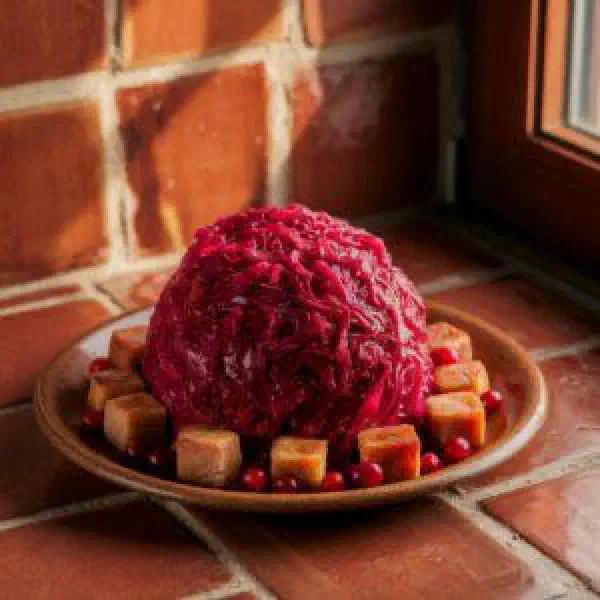
If you are following a special diet, there are alternatives to the traditional Kiseli Kupus recipe. Instead of white cabbage, other varieties such as red cabbage or even savoy cabbage will work. These options vary both the flavour and the nutritional make-up. Just be sure to adjust the spices accordingly to keep the balance of aromas intact, the same care that goes into a good Kupusara.
Drink pairing ideas
The perfect partners for Kiseli Kupus are drinks that balance the dish’s savoury, tangy character. A refreshing beer or a fruity white wine sets off the flavours wonderfully. For an alcohol-free option, lemonade or a sparkling grape juice makes a good choice. Experiment to find the combination that best suits your palate.
Serving and presentation ideas
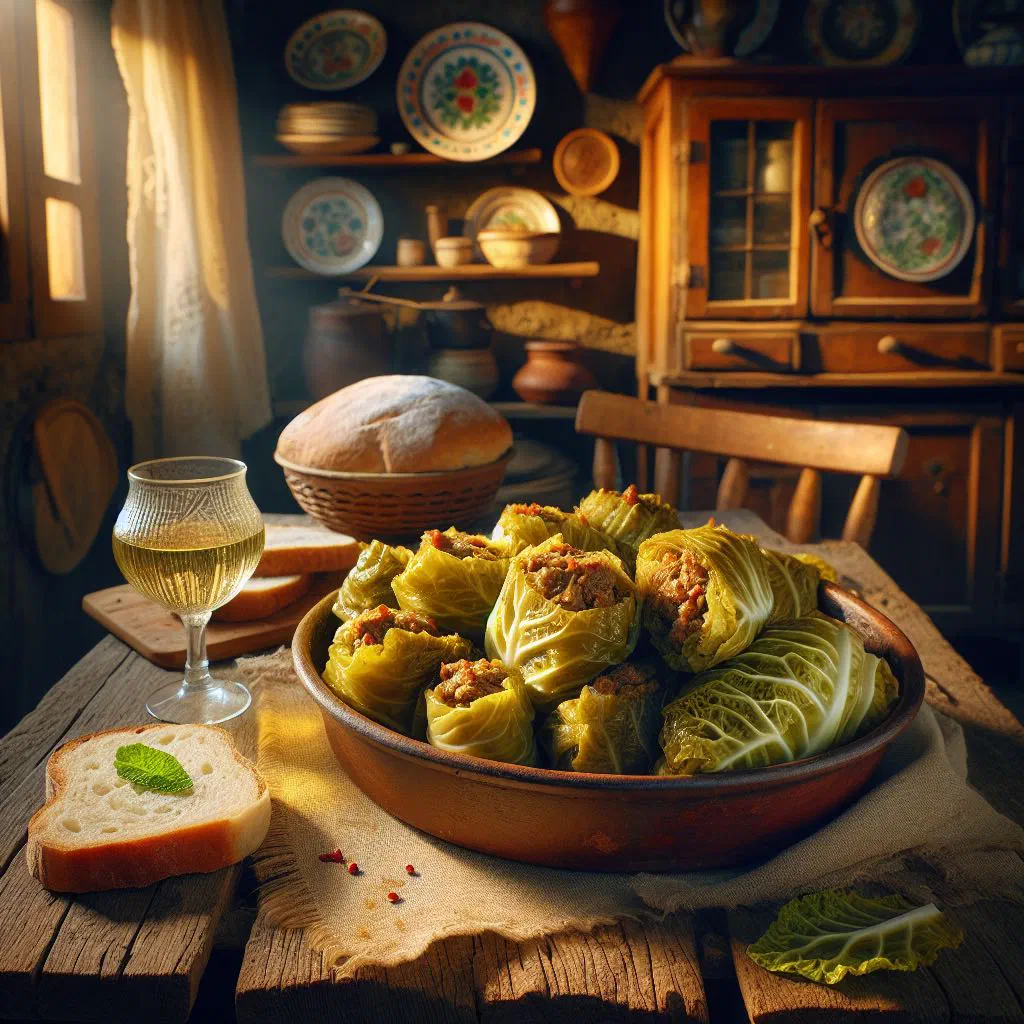
An appealing presentation of Kiseli Kupus can heighten the whole experience. Serve it in decorative bowls and garnish with fresh herbs to add colour and texture. It can also be offered alongside other traditional dishes from Serbian cuisine, such as a plate of Sarma, turning the meal into a feast for the senses. That visual impression is key to introducing guests to the Balkan table.
A bit of history
Kiseli Kupus has a long history in Serbian cooking. The fermentation of cabbage is an age-old method of preserving food while retaining its nutritional value. This tradition has proven itself over generations and is still practised in many households today. The dish is an example of Serbian culinary skill and reflects a deep connection to regional ingredients.
More recipe ideas
Summary: Kiseli Kupus
In summary, Kiseli Kupus is a versatile and flavoursome dish that can suit every taste. With simple ingredients and an easy-to-follow preparation, it is perfect for anyone keen to discover Serbian cooking. Kiseli Kupus remains a timeless recipe that has a place in any food culture. Enjoy the rich tradition of the Balkans and give this delicious dish a try.