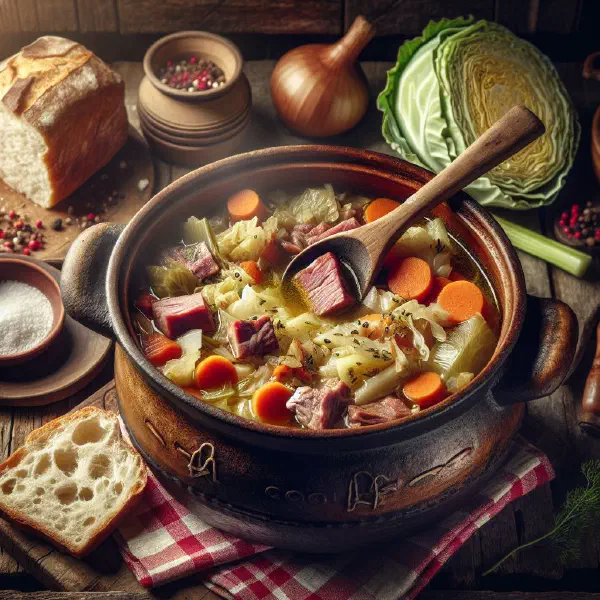
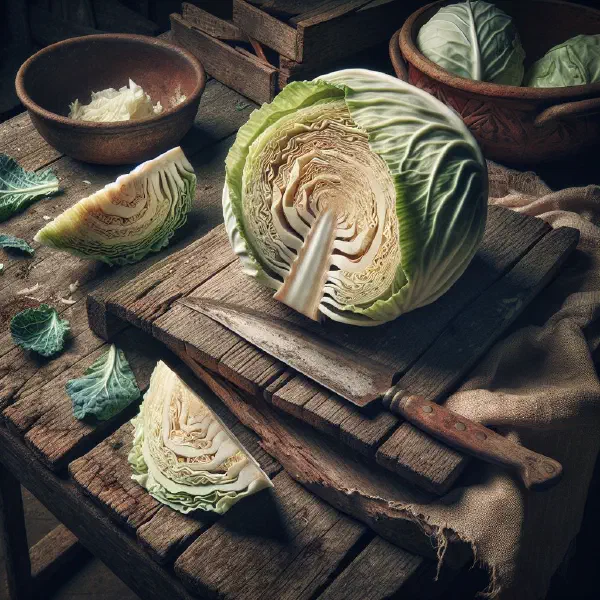
National Dish Serbia: Kiseli Kupus sa Rebrima (Recipe)
In this article
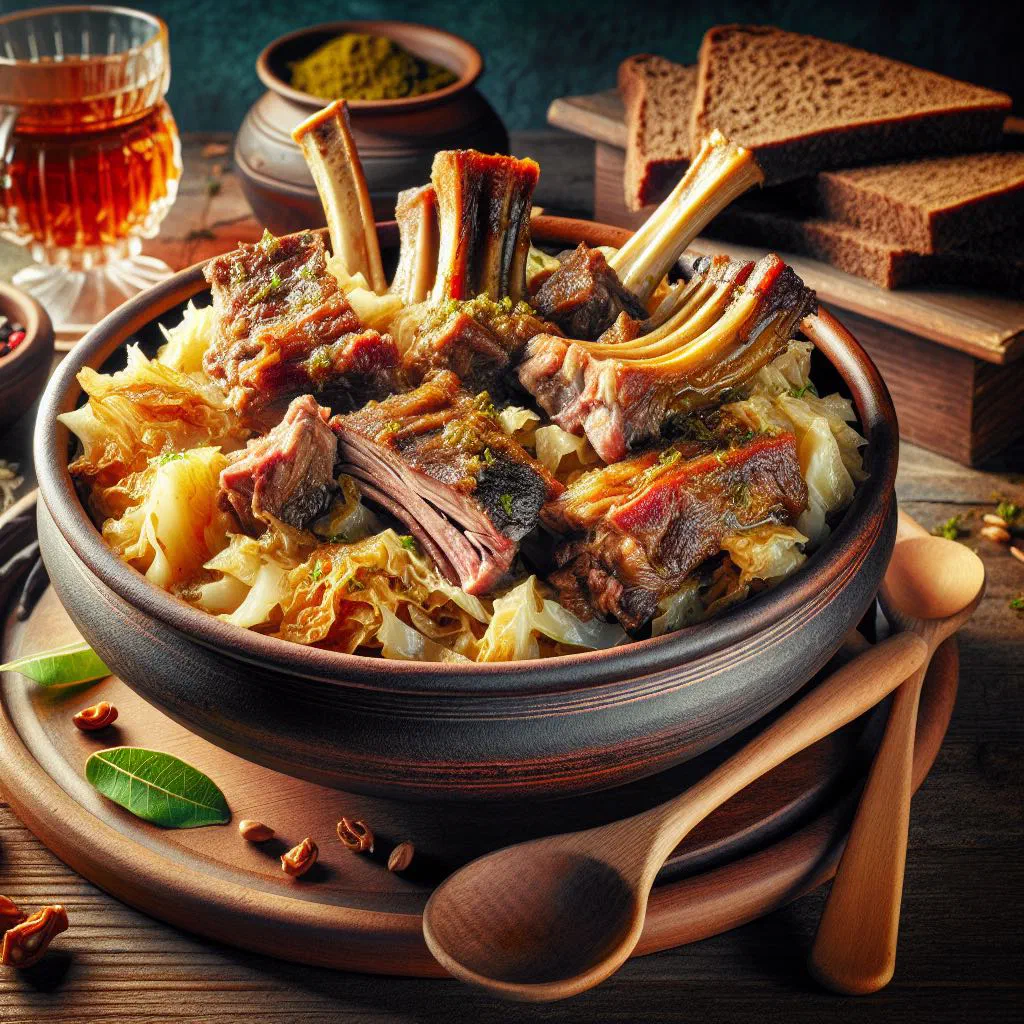
Warm up a cold evening with Kiseli Kupus sa Rebrima, a soul-satisfying Serbian braise of tangy sauerkraut and tender pork slow-cooked with paprika, garlic and bay. It is honest, rib-sticking winter food at its finest, the kind of dish that fills the whole house with a savoury aroma and brings everyone to the table. With just a handful of humble ingredients and a little patience on the hob, you can bring a genuine taste of the Balkans straight into your own kitchen.
About Kiseli Kupus sa Rebrima
Kiseli Kupus sa Rebrima is a traditional Serbian dish celebrated for its bold, layered flavour. At its heart is hearty sauerkraut, gently braised together with succulent pork and a handful of aromatic spices. It comes into its own during the cold winter months, when its warming, filling nature makes it a firm favourite of Serbian home cooking. The dish is also a lovely example of cooking with regional, seasonal produce, an approach that lies at the very heart of Balkan cuisine.
Ingredients (serves 1–2)
- 500 g sauerkraut
- 300 g pork (e.g. neck or shoulder)
- 2 onions
- 2 cloves of garlic
- 1 bay leaf
- 1 tablespoon paprika
- Pepper and salt to taste
- 1 litre vegetable or meat stock
- Oil, for frying
Shopping for the ingredients
To make Kiseli Kupus sa Rebrima well, it is worth choosing the right ingredients. You can find sauerkraut either tinned or fresh in a jar, though fresh sauerkraut often has a sharper tang and a better texture. When picking the meat, go for good-quality pork, as this makes a real difference to the flavour of the finished dish. Spices such as paprika and fresh garlic are just as important for an authentic taste and are best bought fresh.
Preparing the dish
Before you start cooking, it helps to lay out and prepare all your ingredients. The sauerkraut should be well drained and, if needed, roughly chopped, while the meat is cut into bite-sized pieces. Finely chop the onions and garlic so they release their full flavour. This bit of groundwork makes the cooking far smoother and ensures the aromas are spread evenly throughout the dish.
Step-by-step instructions
- Heat a little oil in a large pot and sauté the onions and garlic until translucent.
- Add the diced meat and brown it all over until golden.
- Sprinkle the paprika, pepper and salt over the meat and mix everything together well.
- Add the sauerkraut and the bay leaf, and stir the mixture through thoroughly.
- Pour in the stock and bring to the boil. Reduce the heat and let it simmer gently for at least 1.5 hours.
Gluten-free / lactose-free version
Making Kiseli Kupus sa Rebrima is naturally gluten-free and lactose-free, so you can enjoy this dish without a second thought. Do take care to use a gluten-free stock if you are buying a ready-made one. This matters especially for anyone with coeliac disease or a gluten intolerance. It is also worth double-checking that all your other ingredients, particularly spices and oils, are gluten-free too, to avoid any cross-contamination.
Tips for vegans and vegetarians
Although Kiseli Kupus sa Rebrima is traditionally made with meat, there are plenty of ways to create a vegan or vegetarian version. Simply swap the pork for tofu or tempeh, both of which make excellent sources of protein. Use a vegetable stock in place of the meat stock, and add extra vegetables such as carrots or potatoes to broaden the flavour and boost the nutritional value.
More tips and tricks
For an even richer flavour, let the dish rest for a few hours or even overnight so the tastes have time to deepen. A splash of vinegar just before serving can brighten everything up and intensify the flavours. Feel free to experiment with different spices to suit your own taste and whatever is available locally. Remember to check the seasoning and consistency after each stage of cooking and adjust as you go.
Adapting the recipe to your taste
One of the best things about Kiseli Kupus sa Rebrima is how versatile it is. You can easily adjust the recipe to your liking by trying different meats, such as beef or chicken. The choice of spices can vary too, or you might add extra ingredients like a splash of meat stock or even some sausage to deepen the flavour further. Tweaks like these let you create a dish tuned exactly to your own palate, much like the smoky classic Kiseli Kupus Sa Kobasicom.
Ingredient substitutions
If you do not have certain ingredients to hand, or if you have allergies, there are several alternatives you can turn to. Instead of pork you could use chicken breast, or leave out the meat altogether and add more vegetables in its place. The sauerkraut can also be swapped for another fermented vegetable you happen to have. Changes like these can bring interesting new flavours and textures to the dish while keeping the original idea intact.
Drink pairing ideas
To complement the flavours of Kiseli Kupus sa Rebrima, several drinks work beautifully. A cold Serbian beer pairs wonderfully with this hearty dish and brings a refreshing note. Alternatively, a light white wine is a good choice, especially one with fruity aromas. For an alcohol-free option, serve a homemade cucumber water or a herbal tea, both of which lift the flavours of the food.
Serving and presentation ideas
An appealing presentation makes the meal all the more appealing. Serve Kiseli Kupus sa Rebrima in a large, rustic bowl that underlines its traditional Balkan feel. Garnish with fresh herbs such as parsley or chives for a fresh splash of colour. A side of crusty bread or polenta rounds out the plate nicely and whets the appetite even more.
A bit of history
The roots of Kiseli Kupus sa Rebrima reach far back into Serbian cooking, where sauerkraut was an essential ingredient. This owed much to its ready availability and to the preserving techniques that made it possible to keep vegetables through the cold winter months. The dish reflects the culture and traditions of the Balkans and stands for the hospitality and richness of the region’s cooking. It is a symbol of the warmth of Serbian food culture, so often gathered around the table, a spirit shared across all of Serbian cuisine.
More recipe ideas
Summary: Kiseli Kupus sa Rebrima
In short, Kiseli Kupus sa Rebrima is a hearty, aromatic dish that captures the authentic taste of Serbian cooking. It is ideal for cold winter days and brings joy and flavour to the table. Its simple preparation and room for variation make it a perfect choice for family and friends alike. Let the art of Serbian cooking inspire you and enjoy a piece of Balkan culture in your own home.