National Dish Serbia: Kiselica (Recipe)
In this article
Discover Kiselica, a hearty sauerkraut dish that brings the flavours of the Balkans to your table. Built around tangy fermented cabbage, gentle spices and fresh vegetables, it is warming, nourishing comfort food that comes into its own during the cold months. Simple to prepare yet full of character, this traditional Serbian dish is as good for a cosy weeknight supper as it is for feeding a crowd.
About Kiselica
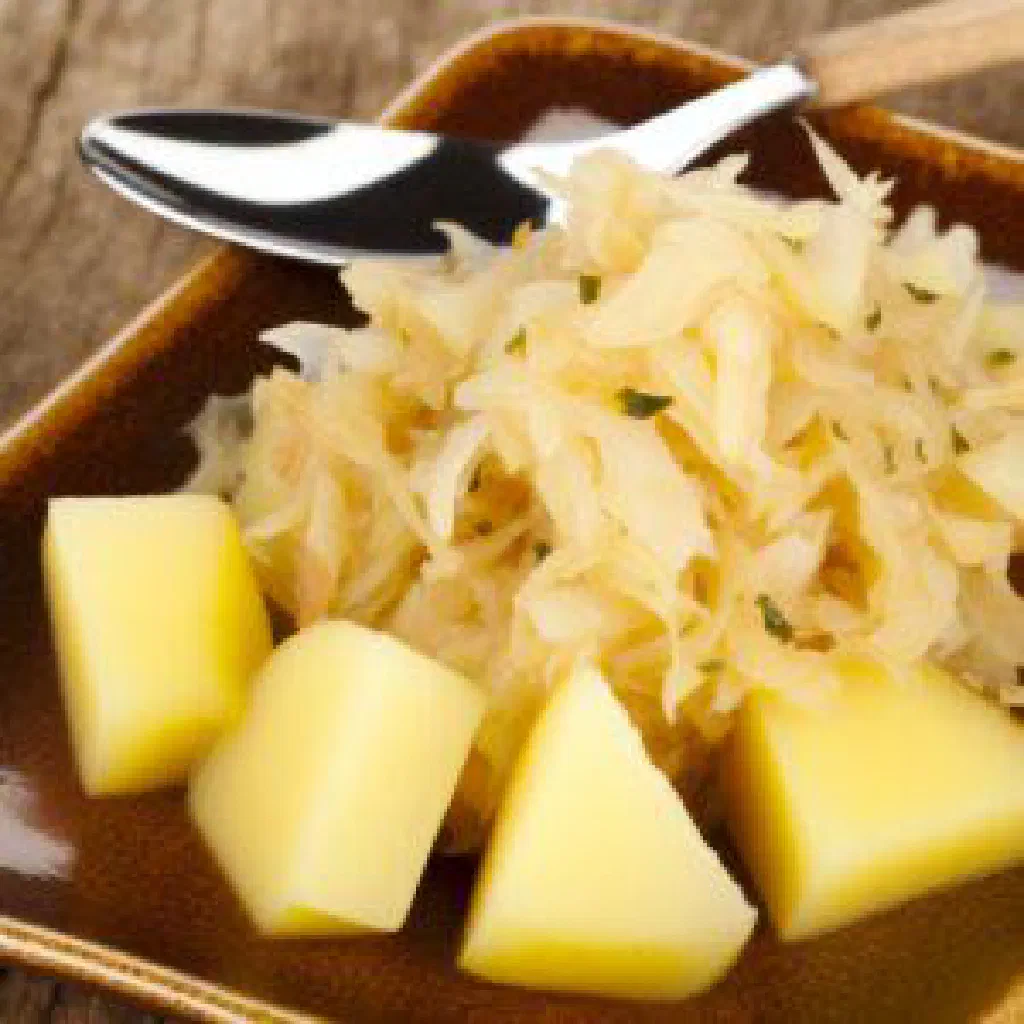
Kiselica is a traditional Serbian dish that gathers up the aromas and flavours of the Balkans in a single pot. At its heart is fermented sauerkraut, which lends the dish a bright, tangy note along with plenty of nourishment. It is especially popular in the colder season, since it not only fills you up but is also said to give the immune system a helpful boost. With fresh vegetables and a handful of well-chosen spices, kiselica becomes an absolute treat on any dinner table, much like the sauerkraut-based Kiseli Kupus that Serbian home cooks know so well.
Ingredients (serves 1–2)
- 250 g sauerkraut
- 1 medium onion
- 1 carrot
- 2 cloves of garlic
- 2 tablespoons vegetable oil
- 1 teaspoon paprika
- 1 teaspoon cumin
- Salt and pepper, to taste
- 1–2 potatoes (optional)
Shopping for the ingredients
To make kiselica, it is worth choosing good-quality ingredients. Head to a local market or a health-food shop for fresh sauerkraut and vegetables. When picking out the onions and carrots, look for firm specimens free of soft or bruised patches. If you would like to add potatoes, choose a variety that holds up well to boiling so you get the perfect consistency.
Preparing the dish
Getting kiselica ready is straightforward and takes only a few basic steps. Begin by rinsing the sauerkraut well to soften its salty edge, if you prefer a milder flavour. Finely chop the onion, carrot and garlic so they cook evenly in the pot. If you are using potatoes, peel them and cut them into small cubes so they cook through more quickly.
Step-by-step instructions
- Heat the vegetable oil in a large pot over medium heat.
- Add the chopped onion and fry until translucent.
- Stir in the carrot and garlic and cook for a few minutes more.
- Add the drained sauerkraut and the optional potato cubes, and stir well.
- Scatter over the paprika and cumin, then season with salt and pepper.
- Pour in enough water to cover all the ingredients and bring to a gentle simmer.
- Cook for about 30–40 minutes, until the vegetables are tender.
Gluten-free / lactose-free version
Kiselica is naturally gluten-free and lactose-free, since the core ingredients contain nothing of the sort. Just make sure that any spices and oils you use are also free from gluten. That way you can enjoy its delicious flavours without a second thought, an ideal choice for anyone with particular dietary needs.
Tips for vegans and vegetarians
For vegans and vegetarians, kiselica is a brilliant way to enjoy a nourishing, flavourful meal. Every ingredient is plant-based, so no swaps are needed at all. You can also experiment by adding more vegetables, such as peppers or courgette, to boost the nutrients. This keeps the dish versatile and makes sure it suits a whole range of tastes.
More tips and tricks
To get the very best from your kiselica, a few small touches go a long way. Let the dish rest for a while after cooking so the flavours can develop and deepen. Serve it piping hot and garnish to taste with fresh herbs such as parsley or dill. This not only makes the dish taste wonderful but gives it an appealing look too.
Adapting the recipe to your taste
One of the loveliest things about kiselica is how easily it can be adapted to suit your preferences. Add different vegetables or vary the spices to discover new flavours. You can also crank up the heat with a little chilli powder or some fresh chillies if you like things spicy. Just remember to adjust the cooking time accordingly so you reach the perfect consistency.
Ingredient substitutions
If certain ingredients are not to your liking or hard to find, there are a few alternatives you can turn to. Instead of sauerkraut, you could use white cabbage for a milder flavour, along the lines of a comforting Kupusara. For a slightly sweeter note, swap the regular potatoes for sweet potatoes. Experiment with different vegetables to create your own favourite version.
Drink pairing ideas
Kiselica pairs beautifully with a range of drinks that support the eating experience. A dry red wine from the region goes very well with this hearty dish. If you prefer alcohol-free options, try sparkling water with a squeeze of lemon or a herbal tea to round out the flavours. For a refreshing alternative, homemade lemonade also complements the dish wonderfully.
Serving and presentation ideas
The presentation of kiselica can be lifted with a few simple tricks. Serve the dish in a stylish bowl and garnish it with freshly chopped herbs. A small squeeze of lemon juice just before serving can heighten the flavour and add visual appeal. Consider offering a nice bread on the side, such as a slice of Proja Sa Sirom, to round off the whole meal.
A bit of history
Kiselica has its origins in traditional Serbian cuisine and is often prepared in rural regions, where sauerkraut plays an important role. It reflects the way of life of the Balkan population, with its focus on fresh, seasonal ingredients. The dish is frequently enjoyed during the winter months, when the body craves warming, nourishing food. Preparing kiselica is not only a culinary act but a cultural one, underlining the deep connection to the heritage of Serbian cuisine.
More recipe ideas
Summary: Kiselica
In summary, kiselica is a hearty and nourishing dish that shows off the flavours of the Balkans to wonderful effect. With simple ingredients and an uncomplicated method, it is ideal for any occasion. Kiselica wins people over with its versatility and rich flavour. Give this traditional Serbian dish a try and let the culinary variety of Serbia inspire you.