National Dish Serbia: Kupusara (Recipe)

In this article
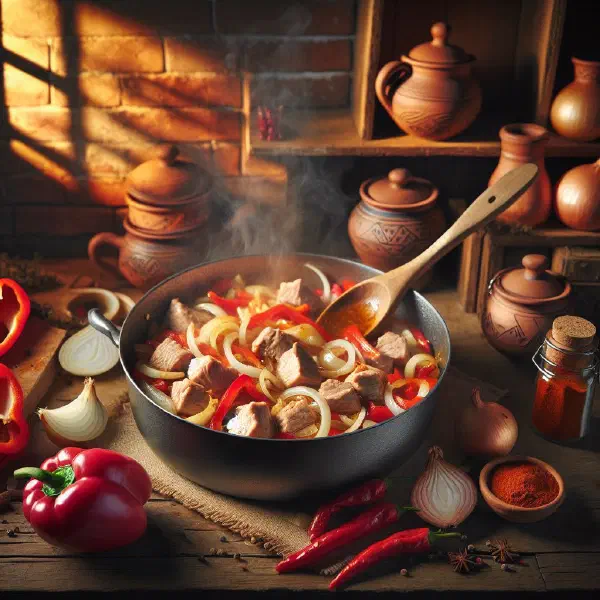
Meet Kupusara, a soul-warming sauerkraut dish that sits at the heart of hearty Serbian home cooking. Tangy fermented cabbage is slowly braised with sweet onions, garlic and smoked bacon, then coaxed into life with paprika and bay. Rich, satisfying and made for the colder months, it is the sort of rustic comfort food that fills a kitchen with wonderful aromas and brings a little Balkan tradition straight to your table.
About Kupusara
Serbian cooking is celebrated for its hearty, aromatic dishes, and Kupusara is a fine example. This traditional sauerkraut dish reflects the culinary roots of Serbia, marrying the flavours of fresh ingredients with the country’s typical seasonings. Kupusara is often prepared during the colder months, as it is both warming and filling. It is a wonderful way to dip into Serbian food culture and bring a piece of tradition into your own kitchen.
Ingredients (serves 1–2)
- 300 g sauerkraut
- 1 onion
- 200 g smoked bacon or vegan sausage
- 2 cloves of garlic
- 1 teaspoon paprika powder
- 1 bay leaf
- Salt and pepper, to taste
- 2 tablespoons oil
Shopping for the ingredients
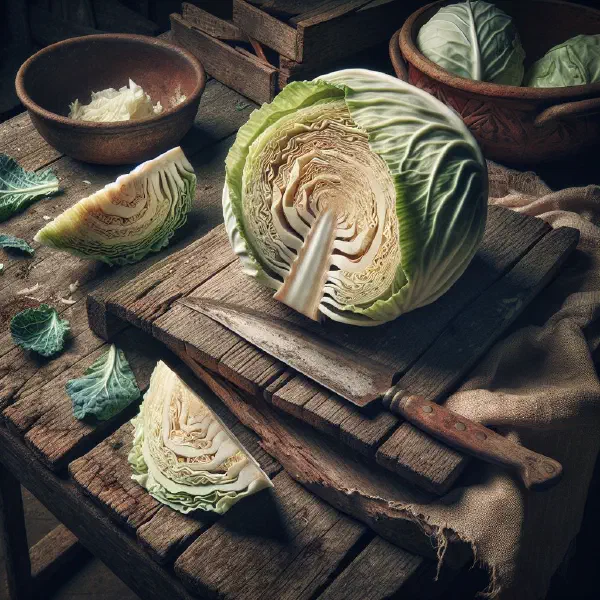
To make Kupusara well, it pays to choose the best ingredients. Fresh sauerkraut is the foundation of the dish and should come from a source you trust. Where you can, opt for local produce, as it is often fresher and more flavourful. The other ingredients, such as smoked bacon or a plant-based alternative, should also be of good quality so the dish develops its full aroma.
Preparing the dish
Preparation is a key step in making sure your Kupusara turns out delicious. Begin by finely chopping the onion and the garlic. The onion gives a sweet base, while the garlic adds a savoury bite. If you are using bacon, cut it into small pieces too. Make sure everything is properly prepped before you start cooking, so the process runs smoothly.
Step-by-step instructions
- Heat the oil in a large pot and add the onions. Fry them until soft and translucent.
- Add the garlic and the bacon (or vegan sausage) and cook everything for a few minutes.
- Tip the sauerkraut into the pot and mix it well with the other ingredients.
- Season with paprika powder, bay leaf, salt and pepper. Stir everything thoroughly.
- Cover the pot and let the Kupusara simmer gently over low heat for about 20–30 minutes, until the flavours have fully mingled.
Gluten-free / lactose-free version
Kupusara is naturally a gluten-free and lactose-free dish, as long as you choose the right ingredients. Make sure the sausage or bacon you use contains no gluten-based additives. By leaving out cream and dairy, the dish stays suitable for anyone with intolerances too. This makes Kupusara an ideal option for many different diets.
Tips for vegans and vegetarians
Vegans and vegetarians can easily adapt this dish by using plant-based sausage alternatives. There are now plenty of tasty products on the market that are simple to find. You can also add extra vegetables such as carrots or peppers to bring in more flavour and nutrients. The aromatic seasonings ensure a full-bodied taste even without meat, much as they do in a comforting bowl of Podvarak.
More tips and tricks
A well-made Kupusara comes down to care in the preparation. Take care not to burn the onions and garlic, as this can spoil the flavour. Taste the dish as it cooks and adjust the seasoning to suit you. A little fresh dill or parsley as a garnish can add extra freshness and colour.
Adapting the recipe to your taste
One of the lovely things about Kupusara is its versatility. You can adapt the recipe to your own preferences with ease. If you like it spicier, add a little chilli or cayenne pepper. The dish also takes well to further vegetables, such as carrots or potatoes. For a more intense flavour, experiment with different spices like caraway or thyme.
Ingredient substitutions
If you do not have every ingredient to hand, there are plenty of alternatives you can use. Instead of sauerkraut, you might try kale for a different taste. For a vegetarian option, smoked tofu can be a good choice. When it comes to seasonings there are no limits to your creativity; cumin or rosemary can create a distinctive flavour of their own. Fresh cabbage cooked this way also echoes the homely appeal of Kiseli Kupus.
Drink pairing ideas
To enjoy your Kupusara to the full, the right drinks can make a real difference. A cold beer or a dry red wine pairs especially well with the dish’s hearty flavours. For an alcohol-free option, you could serve homemade lemonade or sparkling water with lemon.
Serving and presentation ideas
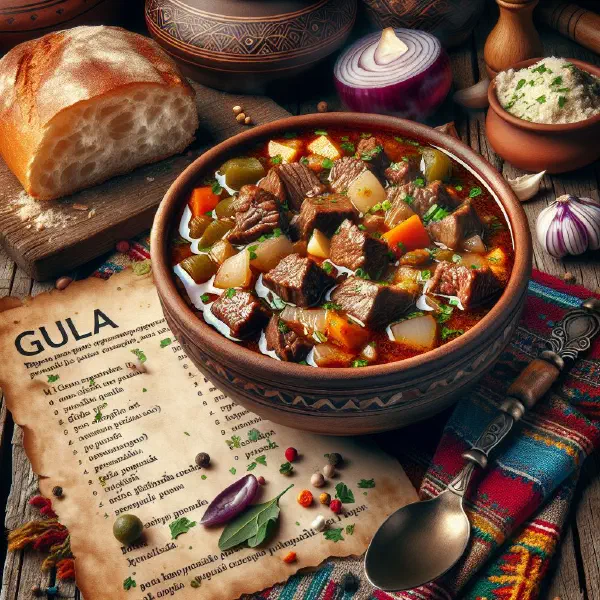
Presentation can noticeably heighten the pleasure of Kupusara. Serve the dish in a rustic ceramic bowl to underline its traditional feel. Fresh herbs such as parsley or dill as a garnish provide a lovely contrast in colour and a touch of freshness. Take care to portion the dish evenly, so it looks appetising on the plate.
A bit of history
Kupusara has a long history in Serbian cooking and is often associated with festive occasions and family meals. It reflects the rural roots of Serbian culture, where vegetables and meat frequently served as staple foods. With its nourishing ingredients, Kupusara is easy to prepare and a symbol of hospitality. The tradition of sharing this dish is deeply rooted in Serbian society, part of the same warm heritage you find across Serbian cuisine.
More recipe ideas
Summary: Kupusara
Kupusara is a delicious dish that perfectly unites the flavours and traditions of Serbian cooking. With easy-to-source ingredients and a straightforward method, even novice cooks can master it without trouble. Whether as a main course or a side, Kupusara offers a unique taste experience and is ideal for cold days. Give this recipe a try and discover the warmth and hospitality of Serbian culture in your own kitchen.