National Dish Serbia: Masna Proja (Recipe)

In this article
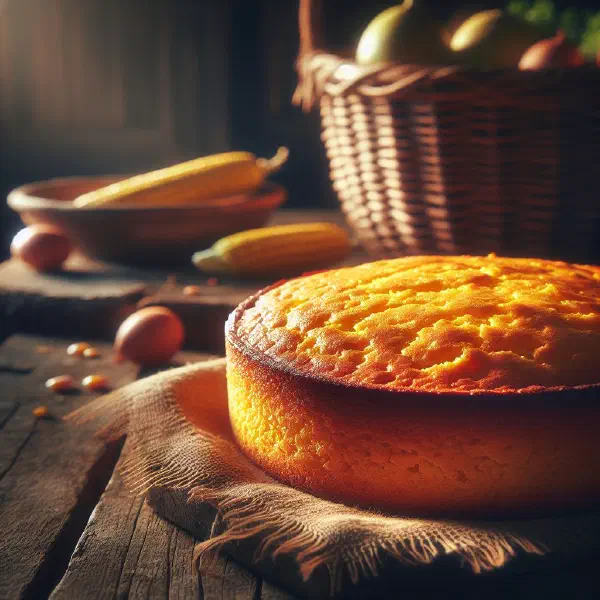
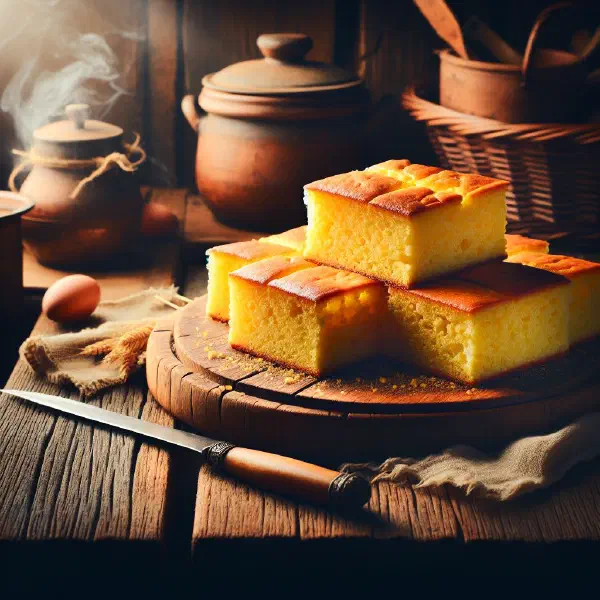
Discover Masna Proja, a rustic Serbian cornbread that has fed Balkan families for generations. Baked to a deep golden crust and wonderfully savoury within, it is the kind of simple, satisfying bread that turns up at feast days and family gatherings alike. Every slice carries the warmth of the countryside kitchen, and its rich, moist crumb makes it a joy to serve alongside soups, dips and roasts. Bring a taste of the Balkans to your own table with this easy, timeless bake.
About Masna Proja
Masna Proja is a traditional Serbian recipe with its roots firmly in the rural cooking of the Balkans. This much-loved cornbread is prized for its golden crust and hearty, savoury flavour. It is often served at celebrations and family get-togethers, being both filling and gloriously fragrant. Each bite brings together the tradition and taste of the region, which is exactly what has made masna proja such a firm favourite across generations of Serbian cooks.
Ingredients (serves 1–2)
- 250 g cornmeal
- 100 g yoghurt
- 1 egg
- 200 ml water
- 50 ml oil
- 1 tsp salt
- 1 tsp baking powder
Shopping for the ingredients
To make masna proja you need easy-to-source ingredients that are available in most supermarkets. Cornmeal is the star of the show and should be found in the baking aisle. Yoghurt and fresh eggs are in the chilled section. If you would like to add extras such as herbs or spices, pick them up from the seasoning shelves, much the same pantry you would reach for when making a batch of Kukuruzna Proja.
Preparing the dish
Preparing masna proja is straightforward and calls for only a little patience. Begin by measuring out your ingredients and setting them within easy reach. Choose fresh, good-quality products to get the very best flavour. Once everything is gathered, you can start the bake, which comes together in just a few simple steps.
Step-by-step instructions
- Preheat the oven to 200°C and grease a baking tin.
- In a bowl, combine the cornmeal, salt and baking powder.
- In a separate bowl, whisk together the wet ingredients — yoghurt, egg, water and oil — until well blended.
- Gently fold the wet ingredients into the dry ingredients until you have a smooth, even batter.
- Pour the batter into the prepared tin and level the surface.
- Bake in the preheated oven for about 30 to 40 minutes, or until the bread is golden brown.
- Once baked, remove from the oven and let it steam off before serving.
Gluten-free / lactose-free version
Should you need gluten-free or lactose-free options, you can use special flour blends designed for gluten-free baking. In place of yoghurt, plant-based alternatives such as coconut yoghurt work beautifully. Always check the labels when buying these swaps to make sure they suit your dietary needs. It is easy to adapt masna proja to different requirements without compromising on flavour.
Tips for vegans and vegetarians
For vegans and vegetarians, the recipe is easily adjusted by replacing the egg with a plant-based egg alternative such as ground flaxseed or chia seeds. These bind the batter and add healthy fats. It is worth checking the remaining ingredients to confirm they are plant-based too. That way the delicious taste of masna proja is preserved while respecting your dietary choices.
More tips and tricks
For a perfect result, grease the baking tin evenly so the bread turns out cleanly. Adding herbs or fresh aromatics such as rosemary or thyme can lend the loaf extra fragrance. Take care not to overmix the batter, so you keep that lovely light, airy crumb. As you experiment with different additions, you are sure to discover your own personal touch.
Adapting the recipe to your taste
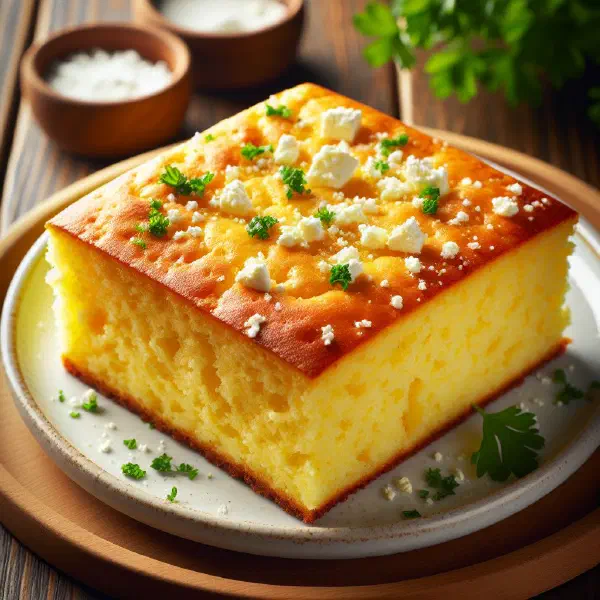
The ingredients for masna proja are flexible and easily tailored to personal preference. You might add grated cheese or pieces of olive to give the bread a new direction, much like the cheesy version in Proja Sa Sirom. If you prefer it sweeter, a little sugar or honey can be stirred in. With such simple tweaks you can reinvent masna proja again and again to suit any occasion.
Ingredient substitutions
If you are missing an ingredient, there are plenty of alternatives to hand. Instead of oil, for example, melted butter can be used for a richer flavour. If you have no cornmeal, try a mix of wheat flour and polenta to achieve a similar texture.
Drink pairing ideas
A range of drinks pairs wonderfully with masna proja. For a traditional experience, serve it with a glass of Serbian red wine or a refreshing mineral water. A homemade yoghurt drink is also an excellent choice that complements the bread’s flavours beautifully. If you prefer something alcohol-free, try a herbal tea or a fruity smoothie alongside.
Serving and presentation ideas
Presentation is an important part of the meal. Serve the bread on a rustic wooden board, accompanied by some pickled vegetables or a hearty dip such as Ajvar. You can also scatter fresh herbs over the top to enhance both the look and the taste. Arranging the dish with a little style gives your table a special touch that will pleasure your guests.
A bit of history
Masna proja has a long history in Serbian cuisine. Originally prepared in rural areas as a simple yet nourishing dish, it developed over the years into a symbol of togetherness and hospitality. It is traditionally served on feast days and special occasions, which makes it an important part of Serbian food culture. This blend of history and flavour makes masna proja a powerful piece of cultural heritage, passed down from generation to generation as a cornerstone of Serbian cuisine.
More recipe ideas
Summary: Masna Proja
Masna proja is more than just a simple cornbread; it is a culinary heritage that carries the flavour of the Balkans within it. This traditional dish marries simplicity with delicious taste and makes a wonderful addition to any celebration or family meal. Let the history and unique flavour of this Serbian classic inspire you, and bring a piece of Balkan cooking into your own kitchen.