National Dish Serbia: Pita sa Jabukama (Recipe)
In this article
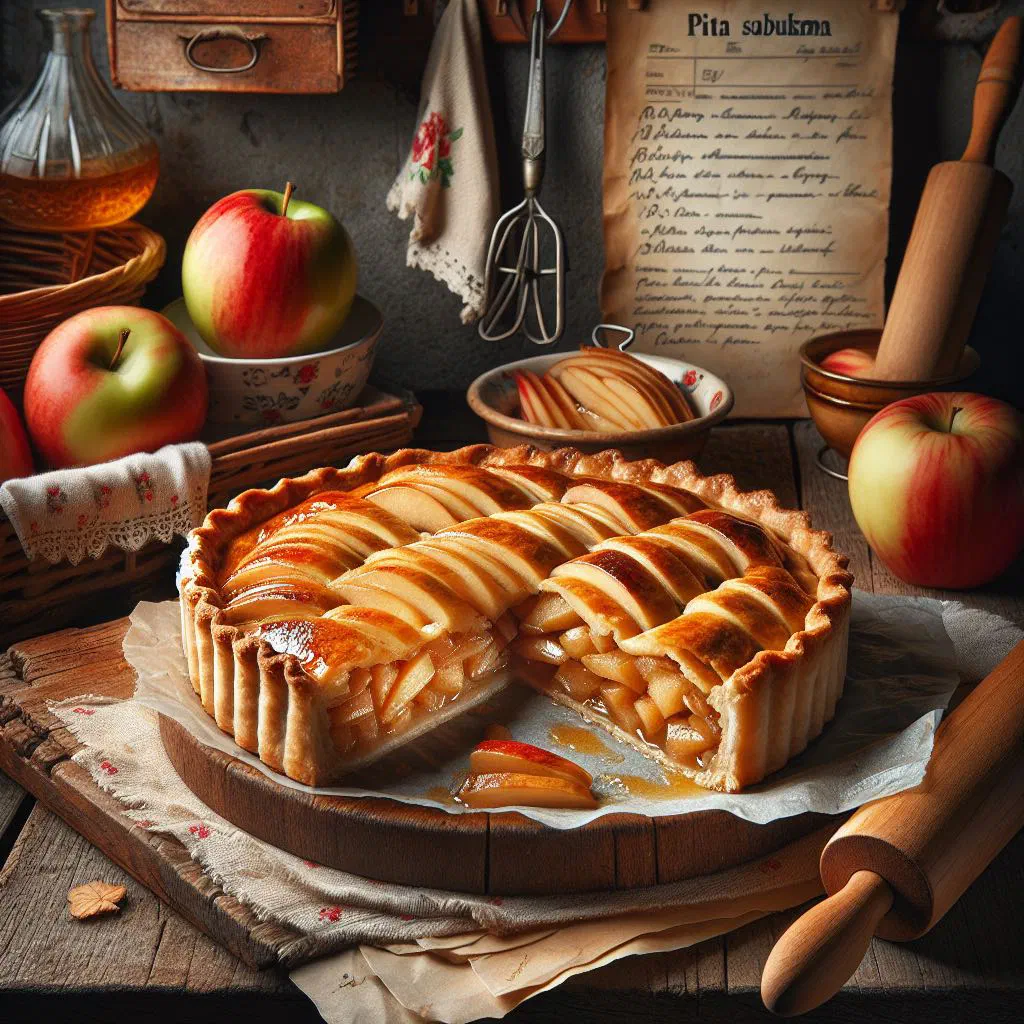
Discover Pita sa jabukama, a much-loved Serbian apple pastry that turns a handful of humble ingredients into pure comfort. Crisp, tart apples are folded through warm cinnamon and sugar, then tucked between delicate layers of golden pastry. Equally at home as a dessert or an afternoon treat with coffee, it is wonderfully simple to make, no fiddly techniques required, which makes it a perfect first bake for anyone new to the kitchen.
About Pita sa Jabukama
Pita sa jabukama is a traditional Serbian dish that has won over countless hearts. This delicious apple pastry combines fresh apples, lifted with aromatic spices such as cinnamon and sugar, with fragrant layers of pastry. It is a popular dessert and makes a tasty snack at any time of day. The preparation is straightforward and calls for no complicated kitchen techniques, which is exactly why it is so well suited to beginners.
Ingredients (serves 1–2)
- 3 medium apples
- 1 packet ready-made puff pastry
- 50 g sugar
- 1 tsp cinnamon
- 1 tbsp lemon juice
- 1 egg (for the egg wash)
- A little flour for the work surface
- Optional: raisins or nuts, to taste
Shopping for the ingredients
Shopping for the ingredients for pita sa jabukama is easy, as most of them are available in any supermarket. Take care to choose fresh apples that are crisp and sweet, such as Jonagold or Gala. The puff pastry can either be made at home or bought chilled from the shop, depending on your preference. The remaining ingredients, sugar, cinnamon and lemon juice, are everyday store-cupboard staples and should be simple to track down.
Preparing the dish
Before you begin making pita sa jabukama, it is important to prepare all the ingredients thoroughly. Start by peeling and slicing the apples into small pieces. Mix the apple pieces with sugar, cinnamon and lemon juice to intensify the flavour. Let the mixture stand for a few minutes so the aromas can develop. In the meantime, you can already unroll the puff pastry so it is ready for the filling.
Step-by-step instructions
- Preheat the oven to 180 °C.
- Prepare a baking tin by greasing it lightly.
- Roll the puff pastry out thinly on a floured work surface.
- Lay a sheet of pastry in the tin and add the prepared apple mixture.
- Cover the apples with a second sheet of pastry and press the edges firmly to seal.
- Beat the egg and brush it over the top of the pastry for a golden crust.
- Bake the pita for 30–35 minutes, until golden brown.
- Let the pastry cool a little and serve it warm or at room temperature.
Gluten-free / lactose-free version
Making pita sa jabukama gluten-free or lactose-free is perfectly straightforward. Swap the puff pastry for a gluten-free version, which is available in many supermarkets. For a lactose-free bake, use plant-based margarine or lactose-free butter. These small adjustments mean that people with particular dietary needs can also enjoy this delicious pastry.
Tips for vegans and vegetarians
For vegans, the ingredients are easy to adapt. Instead of egg, you can use plant-based milk or a mixture of water and starch to brush over the pastry. Many puff pastries are also vegan, though it is worth checking the ingredients list. With these simple changes, vegans and vegetarians alike can enjoy the wonderful flavour of pita sa jabukama.
More tips and tricks
To intensify the aroma of pita sa jabukama, you can also lift the apples with a little vanilla extract or a pinch of nutmeg. A touch of honey can be added too, boosting the sweetness and lending a special note. The texture of the filling can be varied to taste as well, by stirring in raisins or chopped nuts, for example. With these tips you can adapt the pastry to suit yourself and make it even more delicious.
Adapting the recipe to your taste
Pita sa jabukama lends itself beautifully to personal preference. If you prefer a richer note, you can fold the apples through a little sour cream or quark. Experiment with different apple varieties to vary the flavour. Adding chocolate or caramelised nuts is an intriguing variation too, one that appeals to more and more palates. That way you give your pita a personal touch, a hallmark of the sweet side of Serbian cuisine.
Ingredient substitutions
Several ingredients can be swapped for alternatives, depending on availability or preference. In place of apples, you could use pears or a mix of different fruits, much as you would in a classic Pita od Jabuka. For a less sweet version, replace some of the sugar with agave syrup or maple syrup. The puff pastry can also give way to homemade shortcrust pastry, which lends the pie a distinctive texture. These alternatives bring new flavours to the traditional recipe.
Drink pairing ideas
To round off the taste of pita sa jabukama, a few drinks pair especially well. A hot apple tea harmonises wonderfully with the sweet apple pastry and reinforces its aromas. A fresh lemon-and-mint iced tea makes a refreshing companion too, perfectly balanced against the sweetness of the dessert. For those who enjoy a tipple, a well-matched cider is another excellent choice for soaking up a little more of that Serbian feeling.
Serving and presentation ideas
The presentation of pita sa jabukama can heighten the whole appetising experience. Serve the pastry on a pretty plate or a rustic wooden board that underlines the dish’s traditional character. Dust the top with a little icing sugar or cinnamon to create a charming, inviting look. A few fresh mint leaves or edible flowers as a garnish complete the picture and give your dessert a special finishing touch.
A bit of history
Pita sa jabukama has its roots in Serbian cooking and is a much-loved dish prepared in many households. Traditionally it is served at celebrations and on special occasions. The use of apples symbolises fertility and reflects the rich nature and traditions of Serbia. Over the years the recipe has evolved, yet it remains a firm fixture of Serbian food culture.
More recipe ideas
Summary: Pita sa Jabukama
Pita sa jabukama is a delicious and versatile apple pastry that appeals to with its aromatic ingredients. Whether as a dessert or a sweet snack, it brings a piece of Serbian tradition to your table. Thanks to its simple preparation, it slots easily into any kitchen and offers endless scope for adaptation. Enjoy the interplay of sweetness and comfort, a genuine treat for the whole family.