National Dish Serbia: Zapečeni Pasulj (Recipe)
In this article
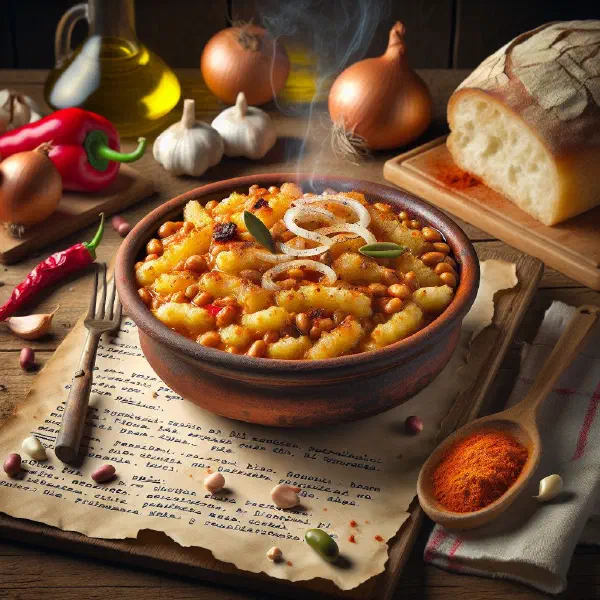
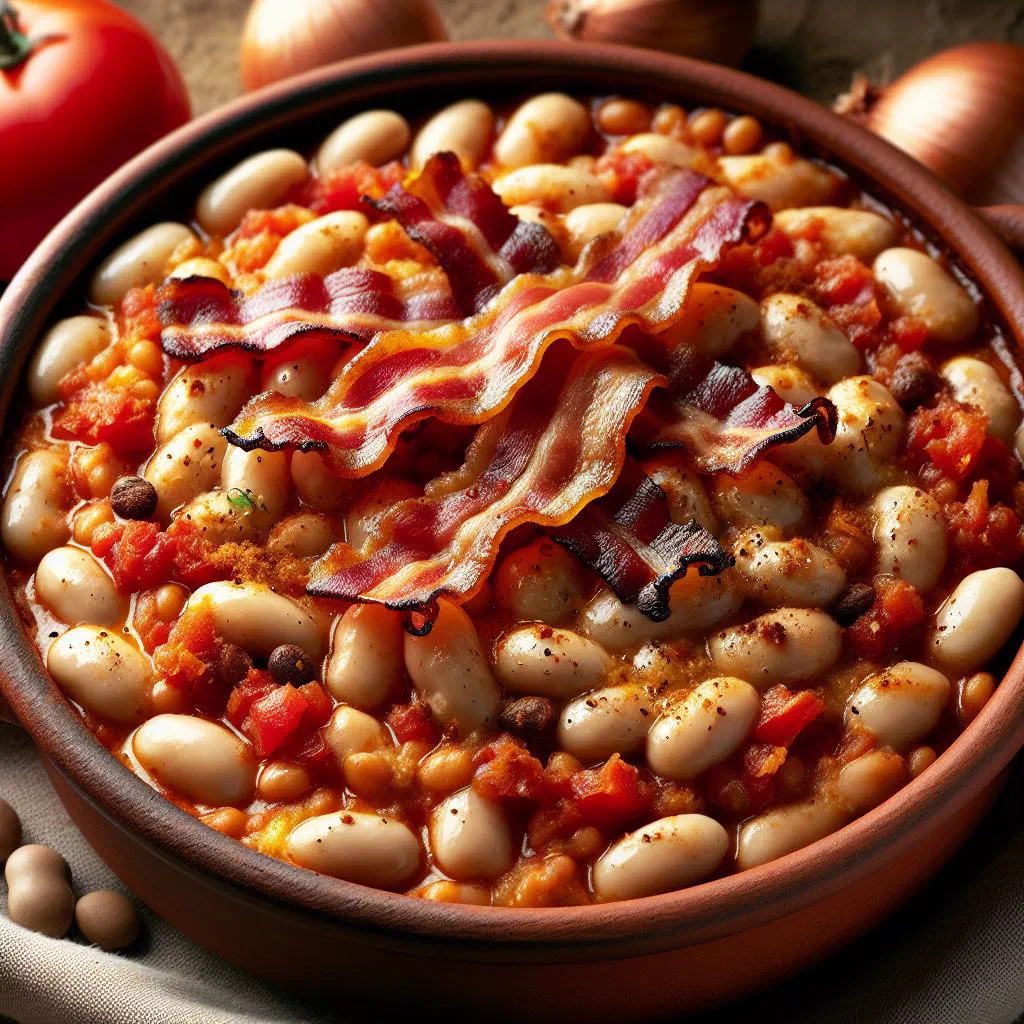
Meet Zapečeni Pasulj, Serbia’s beloved baked bean dish that turns a handful of humble ingredients into pure comfort food. Tender white beans are simmered with onion, garlic and warming spices, then baked until a wonderfully crisp, golden crust forms on top. It is the kind of hearty, sociable dish that fills a table at family gatherings and easy suppers alike, carrying the rustic soul of the Balkans in every spoonful.
About Zapečeni Pasulj
Zapečeni Pasulj is a truly hearty bean dish that is cherished by locals and visitors alike. It brings together white beans, aromatic spices and a crisp baked crust that lends every bite a satisfying crunch. More than just a flavour explosion, this dish represents a long-standing link to Serbian food culture. It often appears in convivial company and is perfect for large family celebrations or simply a cosy dinner with friends.
Ingredients (serves 1–2)
- 250 g white beans
- 1 onion
- 2–3 garlic cloves
- 1 teaspoon paprika
- Salt and pepper to taste
- 2 tablespoons olive oil
- 1 teaspoon dried thyme
- 100 g smoked meat or sausage (optional)
- Breadcrumbs, for sprinkling
Shopping for the ingredients
To prepare Zapečeni Pasulj, it is important to choose good-quality ingredients. Visit your local market or a well-stocked grocery to find soft white beans that are as fresh as possible. If you decide to use meat, pick a good-quality smoked meat or sausage to deepen the flavour of the dish. Don’t forget to buy fresh spices and herbs too, as they are crucial to the finished taste.
Preparing the dish
Before you begin cooking Zapečeni Pasulj, it is a good idea to soak the beans overnight. This shortens the cooking time and helps the beans cook more evenly. The next day, rinse the beans thoroughly and leave them to drain. Prepare the vegetables as well by finely chopping the onion and garlic to bring out their full aroma. Having every ingredient ready before you start cooking ensures a smooth, unhurried process.
Step-by-step instructions
- Bring the soaked beans to the boil in a large pan of fresh water and cook for around 30 minutes until soft.
- Heat the olive oil in a frying pan and gently sauté the chopped onion and garlic until translucent.
- Optional: if you are using meat, add it now and brown it briefly.
- Drain the cooked beans and combine them with the onion and garlic mixture. Add the paprika, thyme, salt and pepper.
- Mix everything well and transfer to a baking dish. Sprinkle with breadcrumbs.
- Bake in a preheated oven at 180°C for about 30–40 minutes, until the crust is golden brown.
Gluten-free / lactose-free version
Zapečeni Pasulj is naturally gluten-free, as long as the breadcrumbs and spices you use are gluten-free too. You can adapt the recipe simply by reaching for gluten-free breadcrumbs instead. For a lactose-free version, make sure any sausage or meat is lactose-free, or leave it out altogether. The dish stays delicious and nourishing even without animal products.
Tips for vegans and vegetarians
For a vegan version of Zapečeni Pasulj, you can easily swap the meat for mixed vegetables or vegetarian sausages. Plenty of plant-based sausages are available and make a great alternative. Try adding different vegetables such as courgette or carrot to vary the flavour. The spices stay the same, seasoning the vegan version just as well and giving it a hearty character.
More tips and tricks
To make Zapečeni Pasulj even more interesting, add a few personal touches. Experiment with regional spices or stir in fresh herbs just before serving. A squeeze of lemon juice can lift the whole dish. If you are cooking for a larger crowd, simply double the ingredients and use a bigger baking dish so everything bakes evenly. A generous scoop of tangy Ajvar on the side never goes amiss.
Adapting the recipe to your taste
The beauty of Zapečeni Pasulj is its versatility. You can use a range of beans, such as kidney beans or black beans, to achieve different flavours. If you like it spicier, add a small amount of chilli or hot paprika. Adjust the seasoning to suit your palate and conjure up your very own bean dish that is sure to please friends and family, much like the ever-popular Pasulj.
Ingredient substitutions
If you find yourself short of a few ingredients for Zapečeni Pasulj, here are some alternatives. Instead of olive oil you can use groundnut oil or rapeseed oil. If you don’t have dried beans to hand, tinned beans work well too. Just rinse them thoroughly. For a rustic note, you could even replace the breadcrumbs with crushed maize chips, which give an interesting texture.
Drink pairing ideas
A number of drinks suit Zapečeni Pasulj. A dry regional red wine, such as a Serbian Vranac, harmonises beautifully with the dish’s hearty flavours. For a non-alcoholic option, serve a refreshing lemon water or another cooling drink that complements the food. A dollop of tangy homemade yoghurt alongside also rounds off the flavours perfectly.
Serving and presentation ideas
Presentation can greatly enhance the enjoyment of Zapečeni Pasulj. Serve the dish in a rustic, attractive bowl and garnish it with fresh herbs such as parsley or chives. A small bowl of pickled vegetables or yoghurt beside the dish can complement the colours and aromas on the table. Good-quality cutlery adds to the pleasure of the meal and helps create a festive atmosphere.
A bit of history
Zapečeni Pasulj has deeply rooted traditions among the Serbian people. Beans are a staple of Serbian cooking, valued for their flavour and for their health benefits. They symbolise the rural cuisine of the Balkans, and many families have passed down their own variations of the recipe over generations. This dish is a wonderful example of how Serbian cuisine evolves over the years while still preserving its origins.
More recipe ideas
Summary: Zapečeni Pasulj
In summary, Zapečeni Pasulj is a delicious and rewarding dish that has won the hearts of many Serbians and lovers of Balkan cuisine. With simple ingredients and bold flavours, it lends any meal a special touch. This bean dish is sure to be a hit. Give it a try and experience the joy that Serbian cooking has to offer.