National Dish Seychelles: Tamarind Fish Curry (Recipe)
In this article
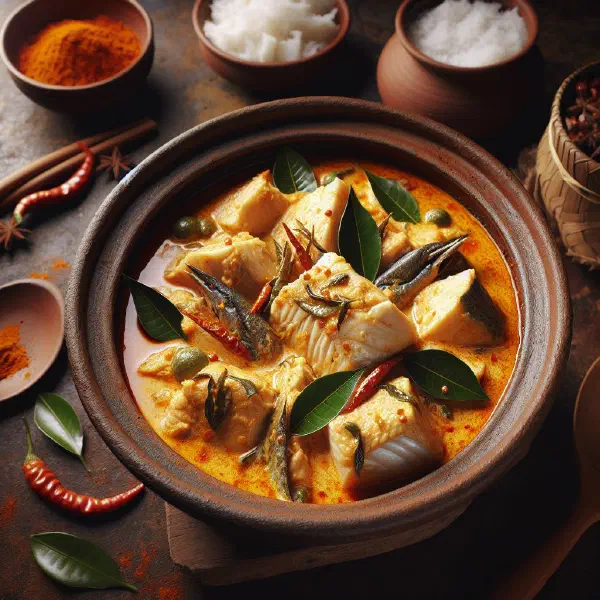
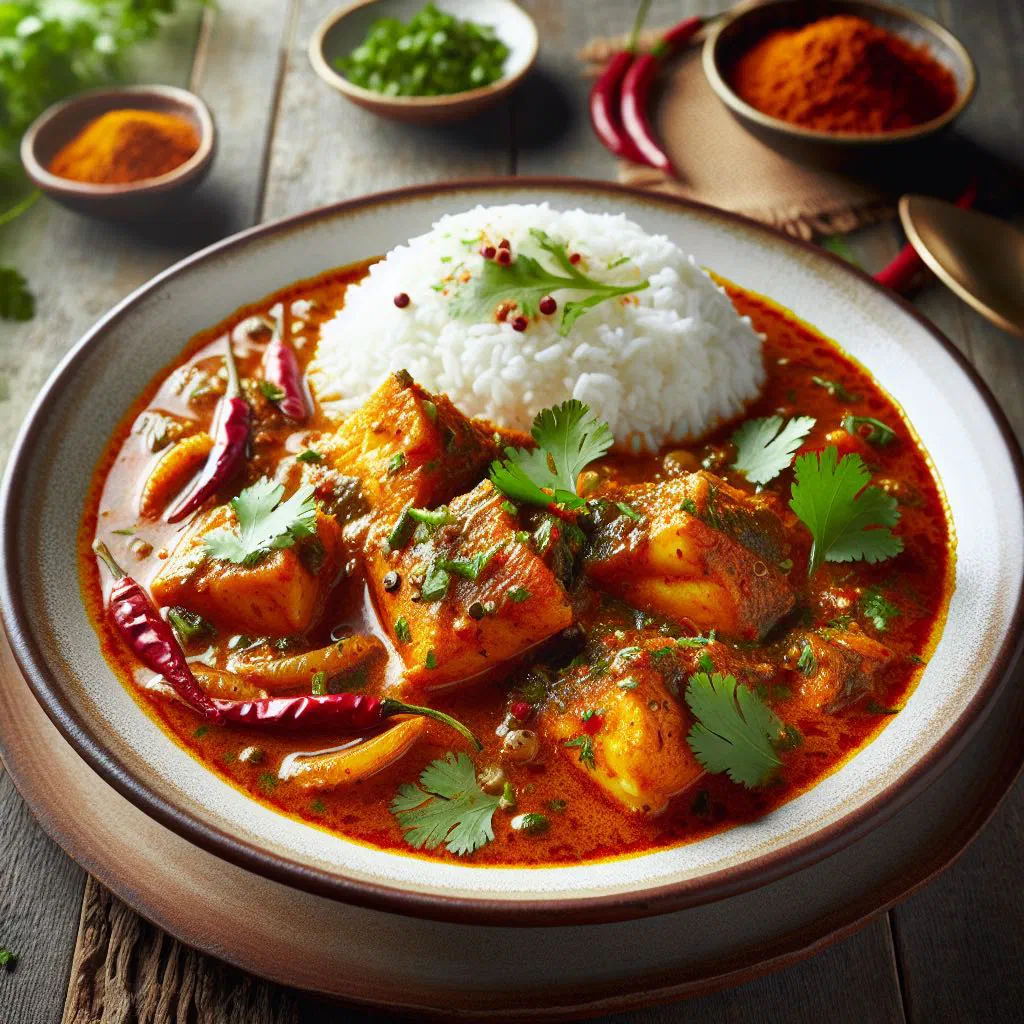
Discover Tamarind Fish Curry, one of the great treasures of the Seychelles. Fresh fish simmers gently in a fragrant sauce built on tangy tamarind paste and creamy coconut milk, lifted by turmeric, cumin and a whisper of chilli. It is a dish that tastes of warm island evenings and shared tables, exotic enough to feel like an occasion, yet simple enough for a relaxed dinner at home.
About Tamarind Fish Curry
Tamarind Fish Curry is a genuine cornerstone of Seychellois cooking. Fresh fish and the distinctive sourness of tamarind paste are the leading players here, giving the dish its unmistakable character. Enriched with a generous handful of aromatic spices, this curry is a pleasure not only for the palate but for the senses as a whole. It is far more than a simple supper: it brings the full variety of the islands straight into your kitchen.
Ingredients (serves 1–2)
- 300 g fresh fish (sea bream or tuna, for example)
- 2 tablespoons tamarind paste
- 1 onion, finely chopped
- 2 garlic cloves, crushed to a paste
- 1 tomato, diced
- 1 teaspoon turmeric
- 1 teaspoon cumin
- 1 teaspoon ground coriander
- 1 red chilli, deseeded and chopped
- 300 ml coconut milk
- Fresh coriander, to garnish
- Salt and pepper to taste
Shopping for the ingredients
Before you start on your tamarind fish curry, it is worth taking care over the shopping. Look for the freshest fish you can find, as quality here makes all the difference to the finished plate, the same rule that applies to a simple Grilled Fish. Tamarind paste and the spices are readily available in Asian or international grocers. Give yourself time to check that everything is fresh, because it has a real effect on the depth of flavour in the finished curry.
Preparing the dish
Good preparation is the key to a successful tamarind fish curry. Begin by cutting the fish into evenly sized pieces so that it cooks through at the same rate. Chop the onion and the chilli, and have the remaining ingredients ready and to hand so that the cooking itself runs smoothly. These small steps let you bring the aromas together harmoniously and get the dish on the table in very little time.
Step-by-step instructions
- Heat a little oil in a large pan and fry the onion until translucent.
- Add the crushed garlic and the chopped chilli and cook for a further 2 minutes.
- Stir in the diced tomato and cook until it has softened.
- Add the spices — turmeric, cumin and ground coriander — and fry them briefly to intensify the aromas.
- Pour in the tamarind paste and the coconut milk and mix well.
- Lay the fish into the sauce and simmer gently for about 10–15 minutes, until just cooked through.
- Garnish with fresh coriander and serve with rice or flatbread.
Gluten-free / lactose-free version
One of the great virtues of tamarind fish curry is that it is naturally gluten-free and lactose-free. Every ingredient used here is suitable for anyone with a gluten intolerance or lactose intolerance. Do check that the spice blends and the tamarind paste contain no hidden additives that might introduce gluten or dairy. Beyond that, you can enjoy this dish entirely without worry.
Tips for vegans and vegetarians
For vegan and vegetarian versions of the curry, replace the fish with tofu or a mixture of vegetables. Tofu works particularly well because it soaks up the spiced sauce beautifully. If you prefer vegetables, choose firm ones such as courgette or aubergine so they hold their shape, much as they do in a Breadfruit Curry. Prepared this way, the dish loses none of its generosity.
More tips and tricks
A few small touches will take your tamarind fish curry further still. Experiment with different types of fish to discover new flavours. Adding fresh ginger or a squeeze of lime juice towards the end of cooking brightens the whole pan. And do not overlook the serving dish itself: a scattering of fresh vegetables and herbs turns a good curry into an inviting one.
Adapting the recipe to your taste
Tamarind fish curry adapts easily to personal preference. You can dial the heat up or down simply by adjusting the number of chillies. The spicing is equally flexible. Try toasted ground cumin or even a pinch of ras el hanout for a different accent. Small creative adjustments like these give the dish a character entirely your own.
Ingredient substitutions
If some of the ingredients prove hard to track down, there are good alternatives. Tamarind paste can be replaced with lemon juice or a little cider vinegar to achieve a comparable sourness, the same tang that carries a Sour Fish Soup. In place of fresh tomatoes, tomato purée or tinned chopped tomatoes will do the job perfectly well. Be creative with whatever you happen to have in the cupboard.
Drink pairing ideas
Several drinks sit beautifully alongside a tamarind fish curry. A chilled white sangria with fresh fruit complements the sour-sweet notes of the sauce. Ice-cold coconut water is a wonderfully refreshing alternative that revives the palate between mouthfuls. For something alcohol-free with a bit more flair, a lime and mint cooler plays neatly against the spices.
Serving and presentation ideas
Presentation matters a great deal when serving this curry. Bring it to the table in a handsome deep bowl, garnished with fresh coriander and wedges of lime. Use colourful serving plates and pair the curry with neatly arranged rice, Coconut Rice is an excellent match, or with warm bread. These small details round off the whole experience.
A bit of history
Tamarind fish curry offers more than flavour alone: it carries an interesting history with it. The dish grew out of the multicultural society of the Seychelles, where several culinary traditions meet and mingle. Tamarind itself has its roots in Asian cooking and reached the islands along old trading routes. The curry therefore is a symbol of cultural fusion and remains a firm fixture of Seychellois cuisine.
More recipe ideas
Summary: Tamarind Fish Curry
Tamarind fish curry brings the flavours and the culture of the Seychelles directly to your table. With its harmonious pairing of fresh fish and a broad range of spices, it is a dish that is as straightforward to cook as it is delicious to eat. It is certain to win over your guests and to enrich your kitchen with a touch of the exotic. Let the flavours of the islands tempt you and enjoy this singular culinary experience.