National Dish Sierra Leone: Plasas (Recipe)
In this article
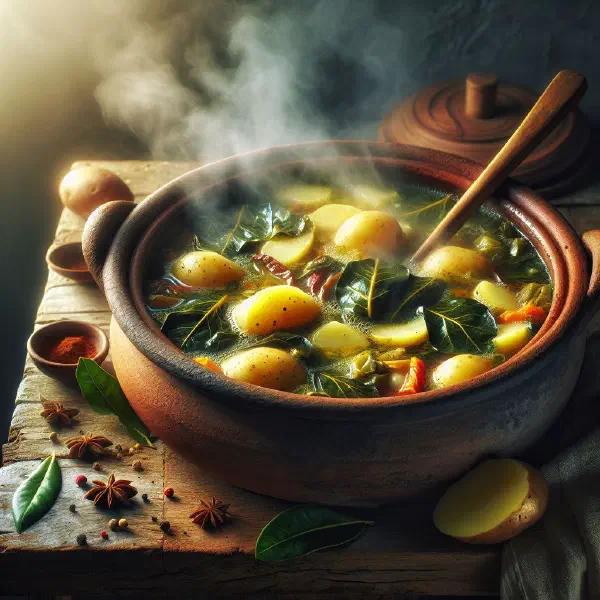
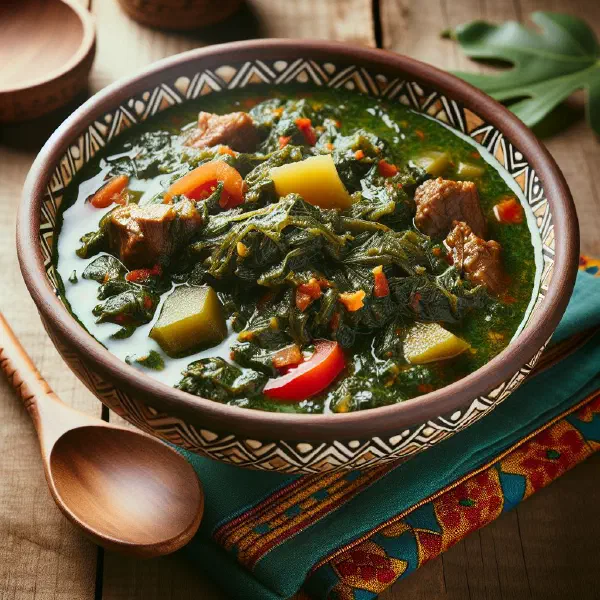
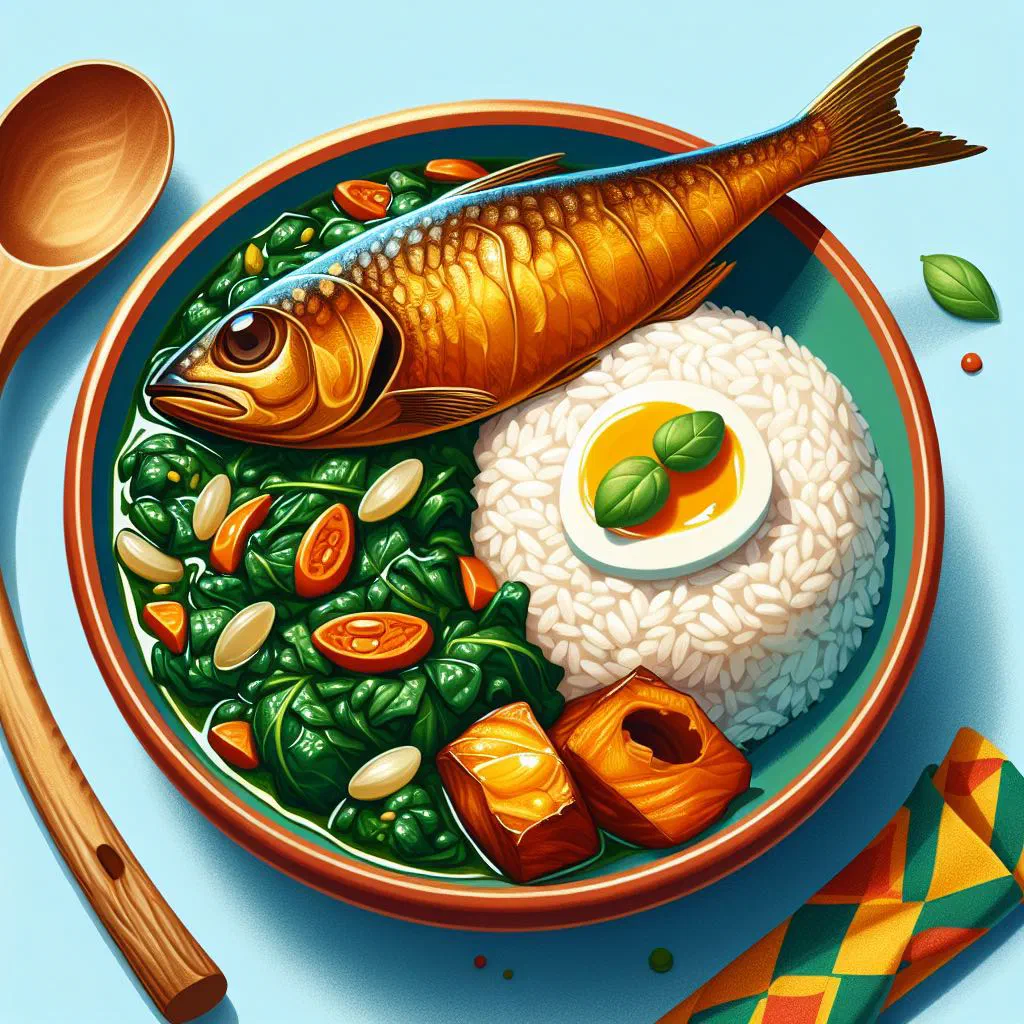
Meet Plasas, a soulful leafy green stew that sits right at the heart of Sierra Leonean cooking. Slow-simmered greens are enriched with peanut butter or palm oil and studded with fish or meat, giving you a dish that is both wonderfully nourishing and full of West African character. Served over a mound of rice or a soft pillow of fufu, it is the kind of homely, generous meal that families across the country gather around again and again.
About Plasas
Plasas is a traditional dish that embodies the variety and richness of West African cooking. Originally from Sierra Leone, it brings together flavours and ingredients that are typical of the region. It is a dish very often prepared at home, and it is nourishing and a symbol of cultural identity. With countless variations depending on the region and the season, plasas is a fine example of the creative use of local produce.
Ingredients (serves 1–2)
- 200 g fresh greens (such as spinach or okra)
- 100 g fish, or 150 g meat (chicken or beef)
- 1 onion
- 2–3 cloves of garlic
- 1–2 tablespoons peanut butter or palm oil
- Seasoning (such as salt, pepper and chilli)
- 1 cup vegetable stock or water
Shopping for the ingredients
When shopping for the ingredients for plasas, it is important to look for freshness and quality. Visit your local markets to buy fresh greens and fish, which are often far more flavoursome than their frozen counterparts. Try to choose ingredients of regional origin to preserve the authenticity of the dish. Special spices and oils, meanwhile, are easy to track down in African grocery shops.
Preparing the dish
Preparing plasas is straightforward, though it does call for a few basic steps. First, wash the greens thoroughly and cut them into bite-sized pieces. If you are using meat or fish, prepare these into small pieces as well. Finally, purée the onion and garlic to make an aromatic base for your sauce.
Step-by-step instructions
- Heat the oil in a pot and add the puréed onion and garlic. Fry until golden brown.
- Add the meat or fish and cook until it is done through.
- Add the chopped greens to the pot and stir everything well.
- Stir in the peanut butter and the stock, then let it simmer over low heat until the greens are tender.
- Season the dish to taste with salt, pepper and chilli.
- Serve the plasas hot, ideally with rice or fufu.
Gluten-free / lactose-free version
Plasas is easily made gluten-free and lactose-free. Simply use fresh ingredients and avoid anything that contains gluten, such as certain sauces or processed convenience products. As for lactose-free alternatives, plant-based milk or lactose-free products make perfectly good substitutes. That way, people with food intolerances can enjoy the dish too.
Tips for vegans and vegetarians
Vegans and vegetarians can adapt plasas by replacing the meat or fish with plant-based protein sources. Tofu or seitan make excellent alternatives and are often just as tasty. You can also use a range of different vegetables to add extra flavour and nutrients. This keeps the dish meat-free without losing any of its taste.
More tips and tricks
To get the most out of your plasas, try out different herbs and spices to intensify the flavours. Coconut milk can also be added to make the dish creamier. A good balance between the ingredients is crucial to achieve a full, rounded taste. Experiment with the consistency of the sauce to perfect it to your liking. A ladleful of Groundnut Soup shows just how well peanut and greens go together.
Adapting the recipe to your taste
Plasas is a flexible dish that is easily adapted to personal preferences. If you like spicy food, add more chilli. For a milder version, cook the seasoned greens in a less fiery sauce. The choice of greens can be varied too, depending on the season and what is available.
Ingredient substitutions
If you find some ingredients hard to source, there are plenty of alternatives. Instead of peanut butter, you could use tahini or cashew butter. Rather than fresh fish, tinned fish can be a practical solution. The greens can be changed as you please; different leafy or root vegetables work just as well. This keeps the dish nutrient-rich and delicious, much like a hearty Cassava Leaf Stew.
Drink pairing ideas
A range of drinks pairs beautifully with a hearty plasas, complementing the flavours of the dish. A refreshing palm lemonade or a traditional hibiscus tea can be ideal. For alcoholic options, a light, fruity beer or a white wine harmonises well. Choose a drink that supports the flavours of the ingredients and rounds off the meal.
Serving and presentation ideas
The presentation of your plasas can greatly improve the dining experience. Serve the dish in an attractive bowl and garnish it with fresh herbs such as coriander or parsley. Colourful vegetables can also help to please the eye. Use appealing tableware that highlights the colours of the dish and makes it inviting to eat.
A bit of history
Plasas has deeply rooted origins in the culture and history of Sierra Leone. The dish reflects the traditional cooking techniques of the local population and is often served at celebrations. Like many culinary traditions, plasas has evolved over time, adapting to the ingredients and tastes available. This makes it an important part of the culinary identity of West Africa and of Sierra Leonean cuisine as a whole.
More recipe ideas
Summary: Plasas
All in all, Plasas is a fascinating dish that perfectly captures the essence of West African cooking. The combination of fresh ingredients, traditional preparation methods and delicious flavours makes it a favourite in many households. It offers a nourishing meal and an insight into the culture and tradition of Sierra Leone. Give it a try and enjoy the wonderful variety of flavours that plasas has to offer.