National Dish Sierra Leone: Stewed Black-Eyed Peas (Recipe)
In this article
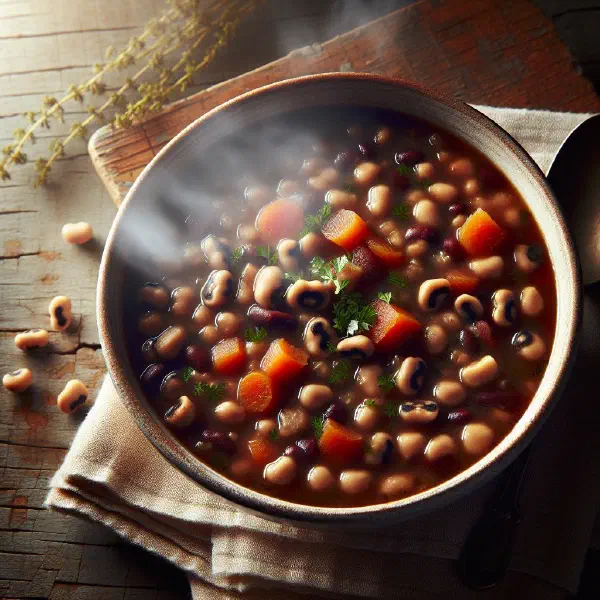
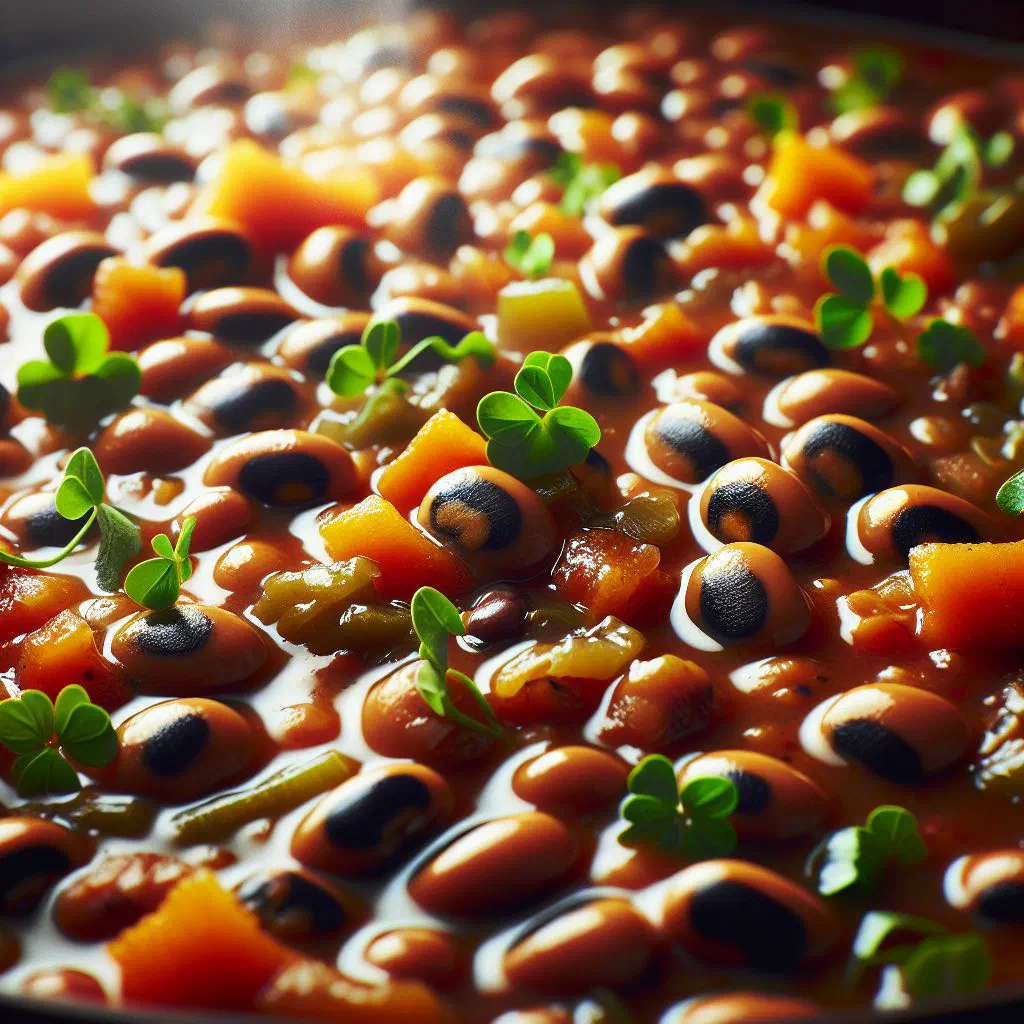
Meet stewed black-eyed peas, the hearty national dish of Sierra Leone and a fixture in kitchens across the country. This nourishing pot brings together the earthy flavour of the beans and the warm, aromatic spices that define West African cooking. It is simple and quick to make, which makes it ideal for busy weeknights, and it delivers a generous helping of plant protein and fibre in every spoonful.
About Stewed Black-Eyed Peas
Stewed black-eyed peas are a traditional dish from Sierra Leone that plays an important role in many households. This wholesome meal pairs the earthy flavour of the beans with a range of spices typical of West African cookery. The preparation is straightforward and speedy, which makes it a perfect choice for hectic weekdays. It is also a wonderful way to enrich your diet with a protein-rich, fibre-packed side that keeps you full for hours.
Ingredients (serves 1–2)
- 200 g black-eyed peas
- 1 onion, diced
- 2 garlic cloves, chopped
- 1 pepper, diced
- 1 teaspoon cumin
- 1 teaspoon paprika
- 1 tablespoon oil
- Salt and pepper, to taste
- Water
Shopping for the ingredients
The ingredients for stewed black-eyed peas are available in most well-stocked supermarkets as well as in Asian or African grocery shops. When buying the black-eyed peas, choose ones of good quality with no visible damage. Fresh vegetables such as onions and peppers should be firm and crisp. Pick out spices that are fresh, so you bring the very best aroma into your dish.
Preparing the dish
Before you start cooking, soak the black-eyed peas overnight to shorten the cooking time. This also helps make the beans easier to digest. After soaking, rinse the beans thoroughly to remove any residue. Prepare the remaining ingredients in the meantime, so the cooking process runs along smoothly.
Step-by-step instructions
- Heat the oil in a large pan over medium heat.
- Add the diced onions and fry until soft and translucent.
- Stir in the chopped garlic and diced pepper, and fry for a further 2 minutes.
- Sprinkle in the cumin and paprika and stir well.
- Add the soaked black-eyed peas along with enough water to cover the beans.
- Bring to the boil, then reduce the heat and simmer for 30–40 minutes, until the beans are tender.
- Season with salt and pepper, and enjoy.
Gluten-free / lactose-free version
Stewed black-eyed peas are naturally gluten-free and lactose-free, which makes them an ideal dish for anyone with a food intolerance. Just make sure that any spices you use are also free from gluten-containing ingredients. This dish is easy to prepare without any compromise on flavour. Enjoy it with complete peace of mind, even if you live gluten- or lactose-free.
Tips for vegans and vegetarians
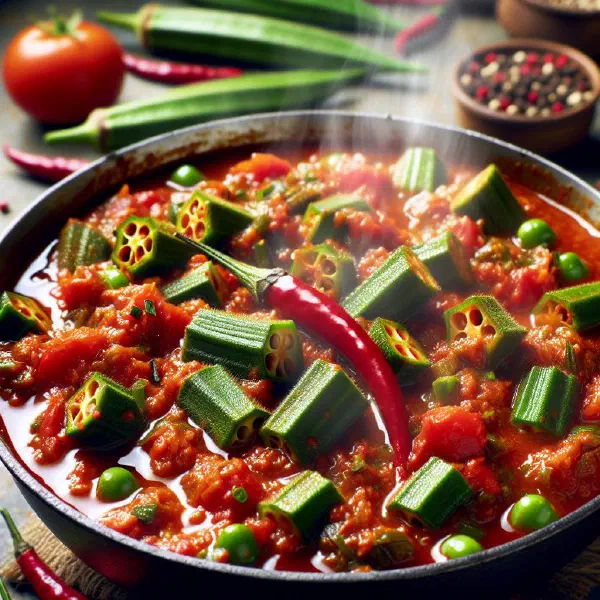
This dish is well suited to vegans and vegetarians and extremely nourishing. The black-eyed peas are an excellent source of plant protein and fibre that keeps you satisfied for a long time. To vary the flavour, you can add extra vegetables such as spinach or tomatoes. This makes the dish even healthier and adds another dimension of taste, much like a comforting bowl of Okra Stew.
More tips and tricks
To intensify the flavour of stewed black-eyed peas, try experimenting with different spices. A hint of chilli, for example, adds a touch of heat, while bay leaves lend extra depth. Play with the amount of liquid to reach the consistency you like best, whether thick or more soup-like. A squeeze of lemon juice just before serving can also work wonders.
Adapting the recipe to your taste
Stewed black-eyed peas are very adaptable and easy to modify so they suit your personal taste. If you fancy more vegetables, add carrots or green beans. If you prefer something heartier, you can work in bacon or pieces of sausage. These tweaks make the dish colourful and keep it varied. Use your favourite spices to enhance the flavours even further.
Ingredient substitutions
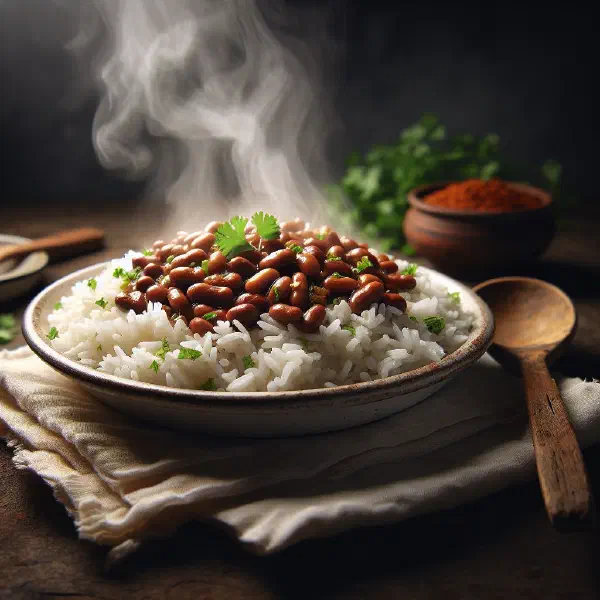
If you cannot find black-eyed peas, other pulses such as chickpeas or white beans work well too. These alternatives bring different flavours and textures while remaining just as nutritious, the same kind of bean-forward comfort you find in Rice and Beans or a savoury Bean Cake. With the spices, feel free to experiment and vary things to your taste.
Drink pairing ideas
A wide range of drinks pairs beautifully with stewed black-eyed peas and complements their flavour. A refreshing craft beer or a fruity white wine make ideal companions. For a non-alcoholic option, you might serve a sparkling water with lemon or a homemade lemonade. A lightly sweetened iced tea can also balance the warmth of the dish and make for a delicious treat.
Serving and presentation ideas
The presentation of stewed black-eyed peas plays a key role in the meal. Serve the dish in a colourful bowl and garnish it with freshly chopped coriander or parsley for a lovely contrast of colour. A squeeze of lime juice over the top adds extra flavour and looks the part. A pretty table setting with fresh ingredients can round off the whole picture and impress your guests.
A bit of history
Stewed black-eyed peas have a long history in West African cooking. They are popular in many countries across the region, with each culture bringing its own variations and methods of preparation. The beans are a staple food that is nutritious and readily available across many growing areas. Prepared with fresh spices and other ingredients of your choice, this dish has become a symbol of home cooking passed down over generations, sitting proudly within Sierra Leonean cuisine alongside classics like Groundnut Stew.
More recipe ideas
Summary: Stewed Black-Eyed Peas
Stewed black-eyed peas are a nourishing and hearty dish that captures the soul of West African cooking, and remarkably adaptable. They are simple to prepare and the ingredients are easy to find. This dish brings variety and colour to any table. Let the combination of flavours and textures win you over, and enjoy a tour to Sierra Leone.