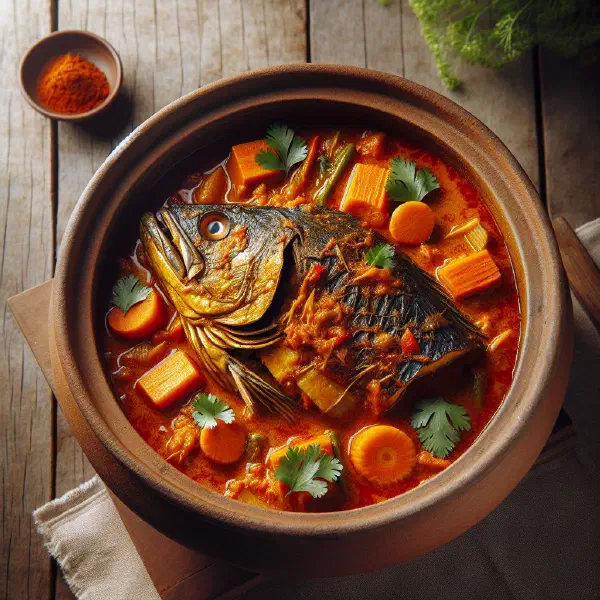
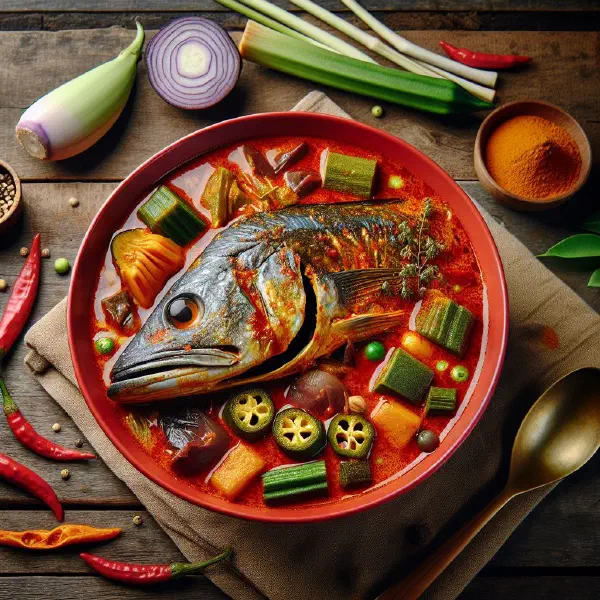
National Dish Singapore: Assam Fish (Recipe)
In this article
Say hello to Assam Fish, a dish that captures the bright, multicultural spirit of Singapore in a single bowl. Fresh fish is simmered in a fragrant tamarind sauce that balances sweet, sour and spicy notes in a way that is impossible to forget. It is quick to put together yet feels wonderfully special, and it brings a taste of Singapore’s busy hawker culture straight to your own kitchen.
About Assam Fish
Assam Fish is a distinctive dish that reflects the culinary diversity of Singapore. It brings together fresh fish and an aromatic tamarind sauce, offering a striking blend of sweet, sour and spicy flavours. This combination is a feast for the senses and part of the cultural identity of this island city-state. Many locals treasure Assam Fish not just for its taste but also for the wholesome, natural ingredients that go into it.
Ingredients (serves 1–2)
- 300 g fresh fish (such as barramundi or snapper)
- 2 tablespoons tamarind paste
- 1 onion, finely chopped
- 2–3 chillies, to taste
- 1 teaspoon sugar
- 1 teaspoon salt
- 2 teaspoons oil (such as groundnut or sunflower oil)
- A handful of fresh coriander leaves, to garnish
- Water, as needed
Shopping for the ingredients
If you want to make Assam Fish, it is important to shop for fresh ingredients. Visit your local fishmonger or a trusted grocer to make sure the fish is as fresh as possible. When choosing your tamarind paste, look for a quality that is free from preservatives to get the best flavour. The choice of chillies can also have a big impact on how hot the dish turns out, so pick them according to your own preference.
Preparing the dish
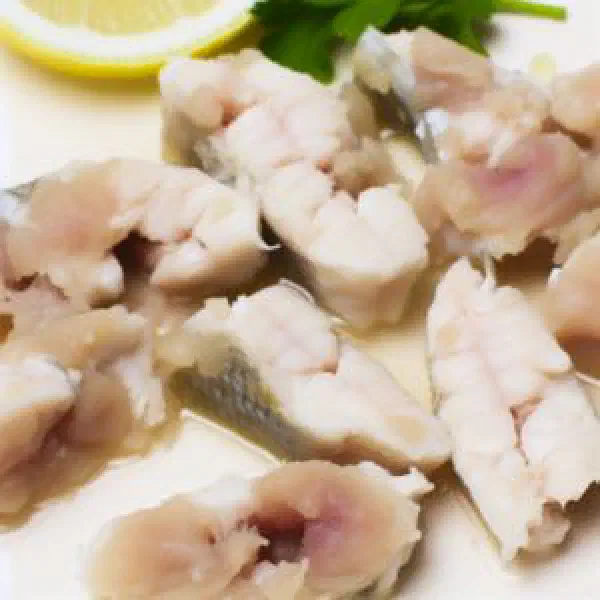
Before cooking Assam Fish, it pays to prepare all the ingredients well. Start by rinsing the fish and cutting it into portion-sized pieces. Finely chop the onion and the chillies so the flavours are spread evenly throughout the sauce. These steps are essential for an even cooking process and help you get the most out of every mouthful.
Step-by-step instructions
- Heat the oil in a pan over medium heat.
- Add the chopped onion and chillies and fry until soft and golden brown.
- Stir in the tamarind paste and the sugar, mixing everything together well.
- Add the fish and pour in enough water to form a sauce.
- Cover the pan and let the fish cook for about 8–10 minutes, until done.
- Season with salt and garnish with fresh coriander leaves just before serving.
Gluten-free / lactose-free version
Assam Fish is naturally gluten-free and lactose-free, which makes it an excellent choice for anyone with those intolerances. When selecting your ingredients, the tamarind paste in particular, do check that they contain no gluten-based additives. That way you can enjoy the dish without a second thought while still relishing every bit of flavour. This makes Assam Fish an ideal option for a wide range of dietary needs.
Tips for vegans and vegetarians
For vegans and vegetarians, Assam Fish is easy to adapt. Simply replace the fish with tofu or seitan to keep a satisfying texture, while the aroma of the tamarind sauce still shines through. Take care to season the tofu generously for the best result. These adjustments let plant-based eaters enjoy the rich flavours of this traditional dish without using the original main ingredient.
More tips and tricks
To intensify the flavour of Assam Fish, you can experiment with different spices. A pinch of turmeric or cumin can add extra depth to the sauce. It is also important not to overcook the fish, as it can dry out quickly. Getting the timing right keeps the fish tender and juicy and makes the whole dish even more delicious.
Adapting the recipe to your taste
Everyone has their own preferences when it comes to heat and sweetness. Adjust the amount of chillies and sugar to suit your palate and tailor Assam Fish exactly to your liking. Some may prefer it fiery, while others enjoy a gentler note. This flexibility makes the dish wonderfully adaptable and gives you a reason to rediscover it again and again.
Ingredient substitutions
If you cannot get hold of a particular fish, it is easy to switch to other varieties. Salmon, cod or mackerel all make excellent alternatives that pair beautifully with the tamarind sauce, much as they would in a Curry Fish Head. You can also replace the tamarind paste with a mixture of lemon juice and a little sugar if you fancy a slightly different flavour. Substitutions like these let you vary Assam Fish however you please.
Drink pairing ideas
Refreshing drinks go wonderfully with a dish like Assam Fish. A fruity lemonade or a cooling beer are ideal for complementing the flavours. A light, sparkling water with a splash of citrus also helps to balance the heat and sweetness of the dish.
Serving and presentation ideas
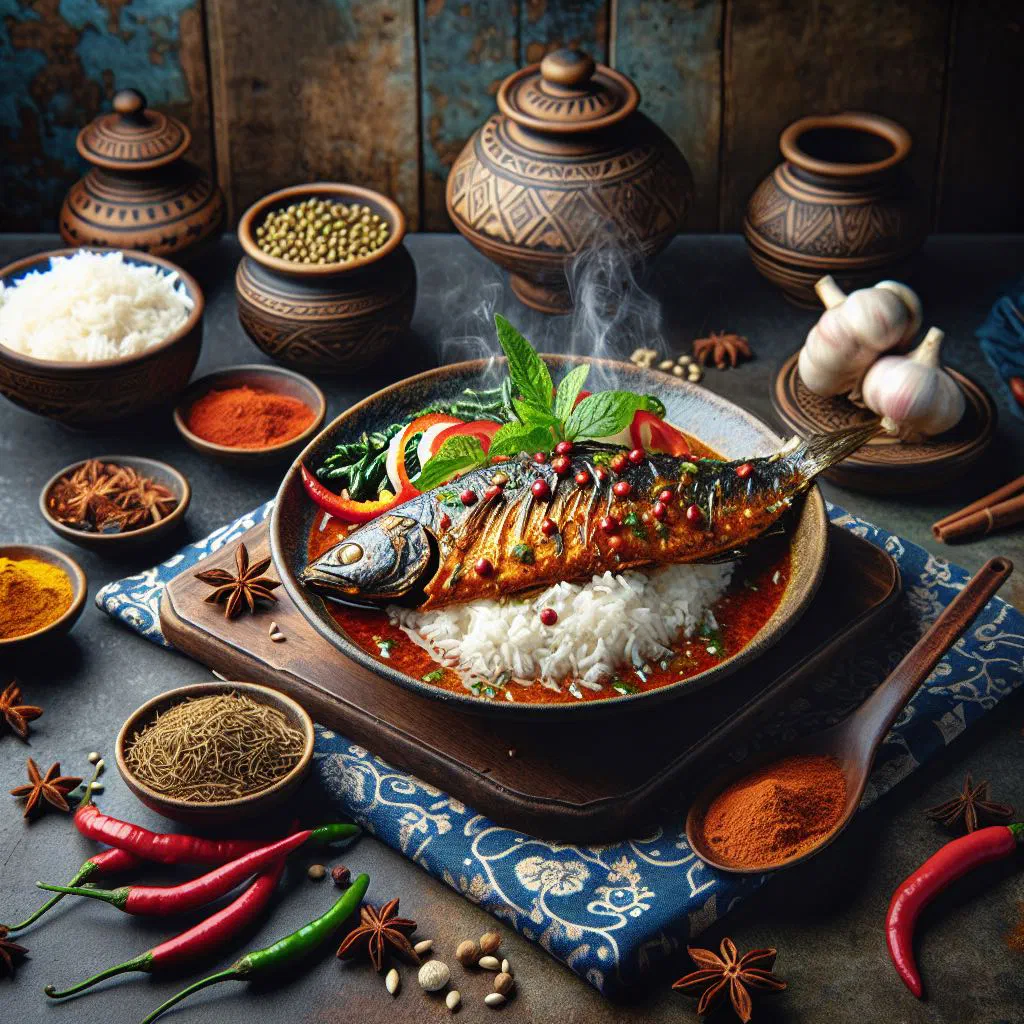
Presentation plays an important part in enjoying Assam Fish. Serve the fish on a colourful plate and garnish it with fresh herbs and perhaps a few lime wedges. A thoughtful arrangement of the ingredients can lift the look of the dish considerably. Pair it with sides such as steamed rice or fresh vegetables to create a complete meal that appeals to both the eye and the palate.
A bit of history
Assam Fish has its roots in Malay and Indian cooking and is a testament to the cultural diversity of Singapore. The dish reflects the many influences that different cultures have brought to the region over the centuries. Tamarind, its key ingredient, is widely used across Asian cooking and has a long tradition in fish dishes in particular. This heritage makes Assam Fish a tasty meal and a slice of living culture, and a fine example of Singaporean cuisine.
More recipe ideas
Summary: Assam Fish
Assam Fish brings together fresh fish and a tangy tamarind sauce to deliver a flavour experience like no other. Thanks to its simple preparation and the freedom to adapt the recipe to your own taste, it is an ideal dish for any occasion. Assam Fish offers the best of both. Let the cultural richness of Singapore inspire you and enjoy this culinary highlight in the comfort of your own home.