National Dish Singapore: Char Siew Pau (Recipe)
In this article
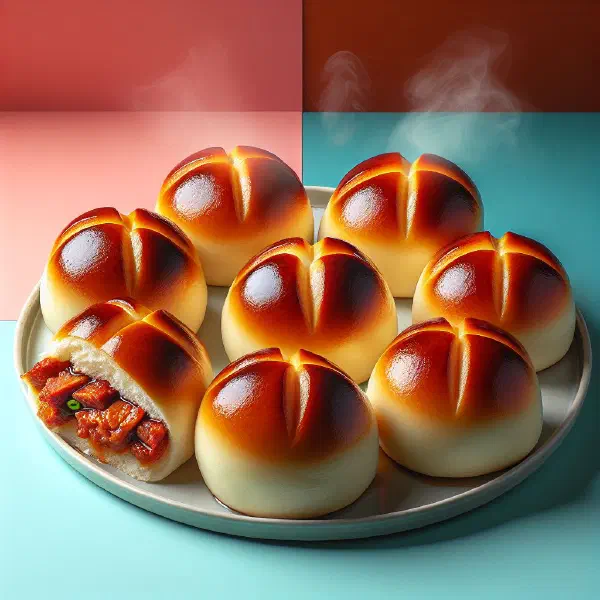
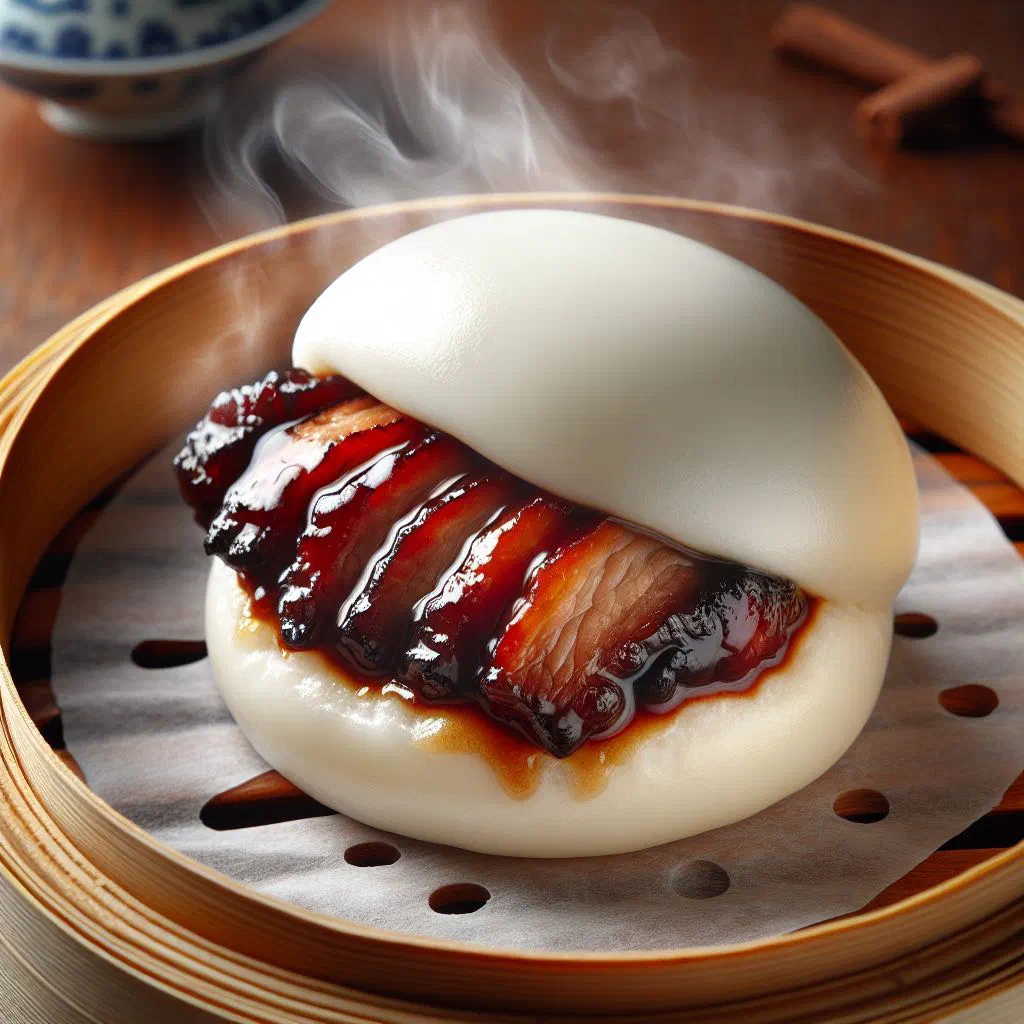
Meet Char Siew Pau, the pillowy steamed buns that are a fixture of Singapore’s hawker centres and dim sum tables. Beneath their soft, cloud-white dough hides a filling of sweet and savoury barbecued pork that practically melts in the mouth. Equally at home as a quick snack or a satisfying light meal, these buns carry all the warmth of Cantonese cooking. Bring a taste of the island’s beloved hawker food culture straight to your own kitchen.
About Char Siew Pau
Char Siew Pau are traditional steamed buns that are especially popular across Singapore and Malaysia. These tender little parcels offer a distinctive taste experience thanks to their filling of sweet-and-savoury marinated pork. The combination of fluffy dough and juicy filling makes them an ideal snack or even a well-rounded main dish. Enjoy the flavours of Asian cooking and let this hearty dish win you over.
Ingredients (serves 1–2)
- 250 g plain wheat flour
- 1 tsp sugar
- 1 tsp dried yeast
- 150 ml water
- 200 g pork (shoulder or neck)
- 2 tbsp soy sauce
- 1 tbsp honey
- 2 tsp sesame oil
- 1 tsp five-spice powder
Shopping for the ingredients
The ingredients for char siew pau are usually available in any well-stocked Asian grocery or ordinary supermarket. The flour and spices are everyday staples that see plenty of use. The pork should be fresh to give the best flavour. When buying the soy sauce and honey, look for good quality, as this has a decisive influence on the taste.
Preparing the dish
Prepare the filling by cutting the pork into fine pieces and marinating it with soy sauce, honey, sesame oil and five-spice powder. Ideally, leave the mixture to rest for at least 30 minutes so the flavours can develop fully. Meanwhile, you can start the dough by combining the flour with the sugar and yeast. Add the water gradually and knead the dough until it is smooth and supple.
Step-by-step instructions
- Divide the dough into small portions and press each one flat.
- Place a little of the prepared filling in the centre of each dough round.
- Carefully draw the edges of the dough up and pleat them shut.
- Steam the buns in a steamer for about 15–20 minutes.
- Let them cool slightly before serving.
Gluten-free / lactose-free version
To make char siew pau gluten-free, you can use rice flour or a gluten-free flour blend in place of wheat flour. For lactose-free versions, most fillings are already lactose-free as long as you leave out cream or other dairy products. It is also worth choosing a lactose-free soy sauce to avoid any intolerance issues. That way, even people with special dietary needs can enjoy this treat.
Tips for vegans and vegetarians
For a vegan take on char siew pau, a filling of marinated tofu cubes or chopped mushrooms works beautifully, prepared with the same flavours as in the traditional recipe. Vegetarians can likewise turn to tasty alternatives such as mixed vegetables or seitan to stand in for the meat. Adjust the seasoning to your taste and experiment with different aromatic touches like ginger or garlic. This keeps the dish flavourful and appealing.
More tips and tricks
To make your char siew pau even tastier, you can vary the filling by trying different cuts of meat or plant-based alternatives. Adding a little baking powder to the dough gives an airier texture. Decorate the buns before steaming with sesame seeds or a thin strip of leek for an attractive finish. It also helps to place a piece of baking paper under the buns while steaming to stop them sticking.
Adapting the recipe to your taste
Tailor the recipe to your own preferences by varying the spices or working extra ingredients such as spring onions or garlic into the filling. The dough’s consistency is easy to change too, for example by adding plant-based milks or oils. If you like things hotter, add a little chilli or sriracha to the filling.
Ingredient substitutions
If some ingredients are not to your liking, you can easily adapt the filling. Instead of pork, you might use chicken or a fish-based filling. In place of soy sauce, coconut aminos can serve as a gluten-free option. Experiment with different vegetables and use fresher ingredients to give your char siew pau a signature note, much like the sweet glaze that defines Char Siew Rice. Remember that every ingredient can affect the flavour and texture of the dish.
Drink pairing ideas
Char siew pau pairs wonderfully with a glass of green tea or jasmine tea, which complement the flavours of the dish perfectly. For an alcohol-free option, a fresh lime juice or a fruity smoothie makes a good choice. If you prefer something alcoholic, try a light lager or even an Asian rice wine to round out the experience. Choose a drink that highlights the character of the dish and harmonises with it.
Serving and presentation ideas
To serve char siew pau attractively, use a handsome serving platter and arrange the buns decoratively. A nice touch is to garnish them with a few fresh herbs such as coriander or leek. Scatter the buns with sesame seeds or another decoration before serving for a prettier look. Small details like these make the dish even more inviting and heighten the anticipation of eating.
A bit of history
Char siew pau has its roots in Cantonese cooking and has since become a jewel of the hawker food culture in Singapore. Originally these steamed buns were a popular street food, soon broadened by Malaysian and wider regional influences. The blend of tradition and modern enjoyment has made char siew pau a symbol of the diverse culinary landscape of Singaporean cuisine. It is fascinating how these simple ingredients have grown in popularity across generations.
More recipe ideas
Summary: Char Siew Pau
Char siew pau offers a rich flavour experience and a heartfelt link between history and tradition. Whether as a snack or a main course, this dish becomes a pleasure thanks to its versatile filling and tender dough. Its easy adaptation to different dietary needs makes it accessible to everyone. Discover the joyful flavours of Singapore right at home.