National Dish Singapore: Duck Mee (Recipe)
In this article
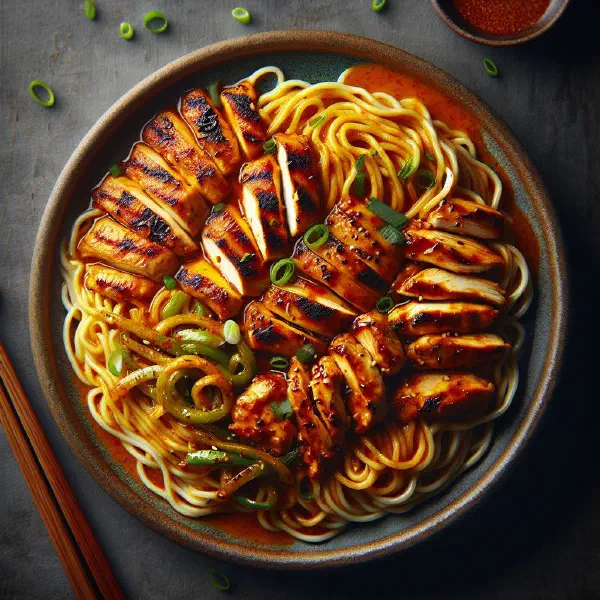
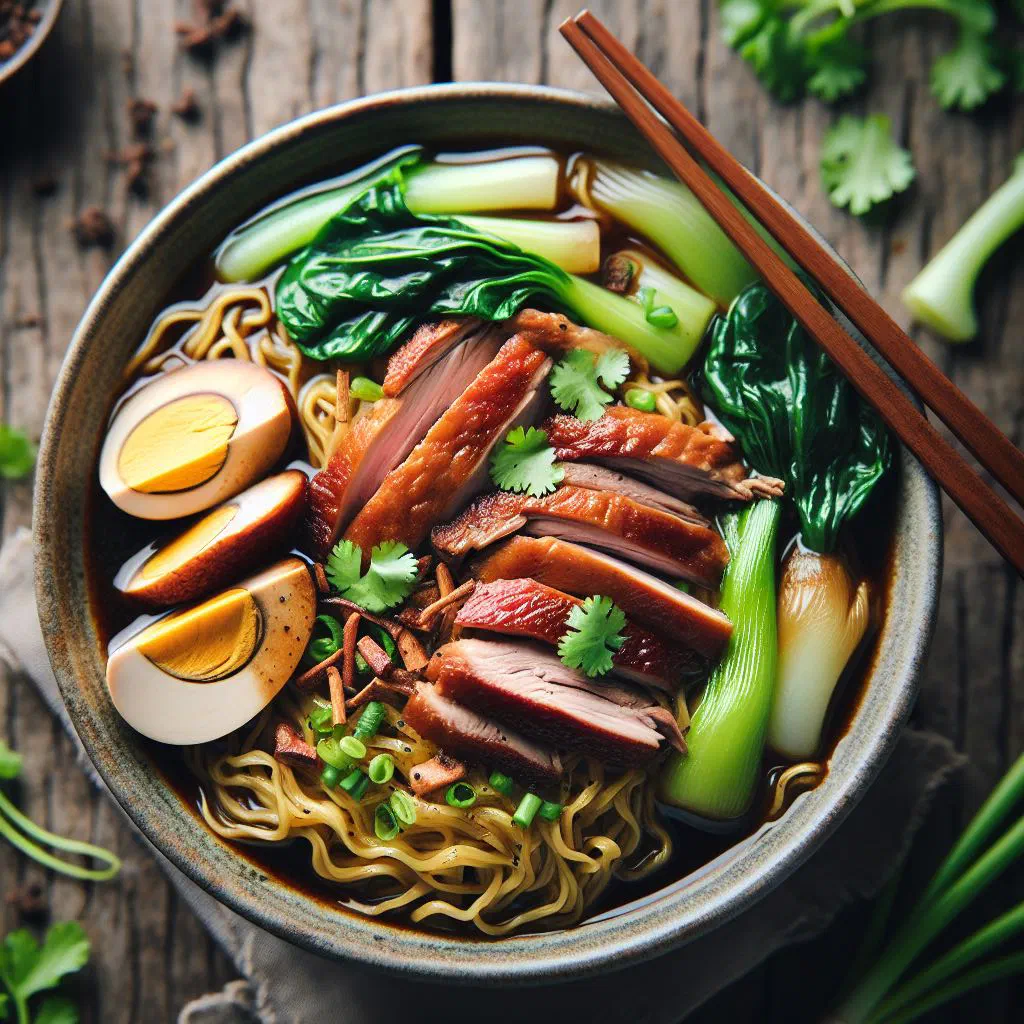
Say hello to Duck Mee, a Singaporean noodle dish that brings together tender roast duck and springy egg noodles in one glorious bowl. It is a plate that speaks of the island’s melting-pot food culture, where savoury and gently sweet flavours meet in perfect balance. Fragrant with ginger, garlic and a slick of sesame oil, it makes for a comforting yet lively meal you can easily recreate at home. Bring a taste of the hawker centre straight to your own kitchen.
About Duck Mee
Duck Mee is a national dish of Singapore that marries tradition with a modern love of bold flavour. It is a feast for the senses and a reflection of the country’s rich culinary heritage. Succulent duck breast is served alongside tender egg noodles and fresh ingredients, giving every mouthful a distinctive character. The harmonious balance of savoury and lightly sweet notes makes Duck Mee a memorable experience for anyone drawn to Asian cooking, sitting comfortably beside classics such as Duck Rice.
Ingredients (serves 1–2)
- 200 g duck breast
- 150 g egg noodles
- 2 spring onions
- 2 garlic cloves
- 1 piece of ginger
- 2 tablespoons soy sauce
- 1 tablespoon hoisin sauce
- 1 teaspoon sesame oil
- A handful of fresh coriander leaves
Shopping for the ingredients
When shopping for Duck Mee, it is worth choosing fresh, good-quality produce to get the best results. Head to an Asian grocery to find everything you need, especially the duck breast and speciality sauces such as hoisin and soy sauce. Fresh spring onions and coriander are just as important for rounding out the flavour of the dish. Where possible, opt for organic produce to make the most of both taste and freshness.
Preparing the dish
Preparing Duck Mee is an important step in coaxing the best flavour out of each ingredient. Begin by scoring the skin of the duck breast lightly so the fat can render out during cooking. The garlic and ginger should be finely chopped to release their aromas as fully as possible. Slice the spring onions into thin rings so they cook evenly and keep their freshness when fried.
Step-by-step instructions
- Sear the duck breast in a pan with a little oil over medium heat until golden, then finish cooking it through in the oven.
- Cook the egg noodles according to the packet instructions and set aside.
- In the same pan, fry the garlic and ginger until fragrant.
- Add the spring onions and toss briefly with the aromatics.
- Add the cooked noodles to the pan and mix through with the soy sauce and hoisin sauce.
- Slice the finished duck breast wafer-thin and arrange it over the noodles.
- Garnish with fresh coriander leaves and a drizzle of sesame oil.
Gluten-free / lactose-free version
For a gluten-free version of Duck Mee, swap the egg noodles for plain rice noodles. Make sure your soy sauce is gluten-free, as many standard varieties contain wheat. There are also gluten-free alternatives to hoisin sauce that work just as well. These small adjustments make it easy to prepare the dish for anyone who is gluten- or lactose-intolerant without losing any of the flavour.
Tips for vegans and vegetarians
For a vegan or vegetarian take on Duck Mee, use tofu or tempeh in place of the duck breast. Both soak up the sauces beautifully. Take care to marinate the tofu well and fry it until crisp to improve the texture of the finished dish. You can also experiment with a range of vegetables such as peppers, carrots and broccoli to add extra nutrients and colour.
More tips and tricks
To get the most out of your Duck Mee, try building your own spice blends and finishing touches by adding chilli or peanuts, for example. These extras bring additional texture and aroma that lift the whole dish. Keep a close eye on your cooking times so the noodles do not overcook. A small squeeze of lime juice right at the end can also breathe fresh life into the bowl.
Adapting the recipe to your taste
One of the best things about Duck Mee is how flexible it is. Depending on your own preferences, you can adjust the amount and type of seasoning to make the dish hotter or milder. Experiment with different vegetables, or even other protein alternatives that suit you better. Tweaks like these ensure you end up with a dish that fits your individual taste perfectly, much like the endlessly adaptable Char Kway Teow.
Ingredient substitutions
If some ingredients are hard to find, there are plenty of alternatives that slot neatly into the recipe. In place of soy sauce you can use tamari, which is especially handy for gluten-free cooking. Fresh herbs can be replaced with dried ones, though they may not bring quite the same fresh flavour. You can also use different types of noodle depending on what happens to be available.
Drink pairing ideas
A number of drinks pair very well with Duck Mee. A warm rice wine or a fruity white wine harmonises deliciously with the flavours of the dish. For alcohol-free options, think of green tea or homemade lemonade, which refresh the palate and balance the spices beautifully. These combinations help round off the whole dining experience.
Serving and presentation ideas
The presentation of your Duck Mee can heighten the enjoyment considerably. Use traditional Asian bowls and arrange the noodles carefully so the colours and textures come through. Fresh coriander leaves and a squeeze of lime juice can add the finishing touch. Take care to lay the duck out attractively over the noodles too, to create an appetising look.
A bit of history
Duck Mee has its origins in the cultural fusion of Asia and reflects the diversity of Singapore’s food culture. Historically, noodle dishes were always made with regional ingredients, with the influences of China, Malaysia and India especially pronounced. This dish became available in countless variations at the city’s street stalls and restaurants, which helped fuel its popularity. Today Duck Mee is more than just a meal; it is part of the Singaporean identity and a proud example of Singaporean cuisine.
More recipe ideas
Summary: Duck Mee
To sum up, Duck Mee is a dish to savour and an expression of the diverse culture of Singapore. This noodle dish offers a delicious experience that is easy to recreate at home. Thanks to the freedom to adjust ingredients and try out variations, the recipe stays exciting and relevant in any kitchen. Let the flavours and history of this national dish inspire you, and enjoy a little slice of Singapore in your own home.