National Dish Singapore: Fish Maw Soup (Recipe)
In this article
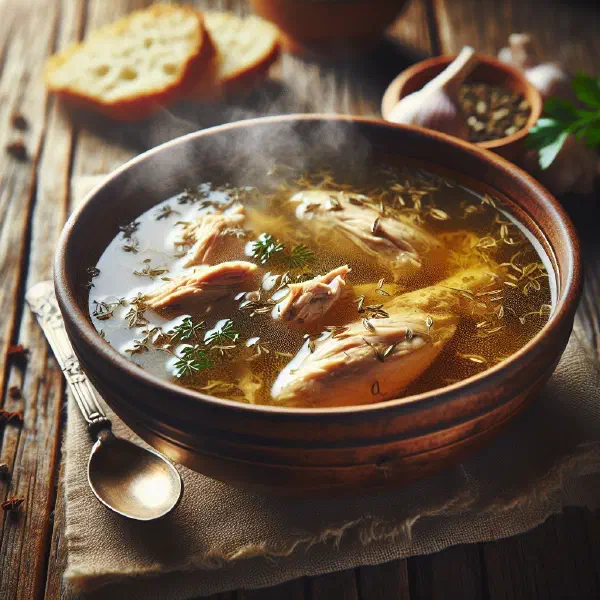
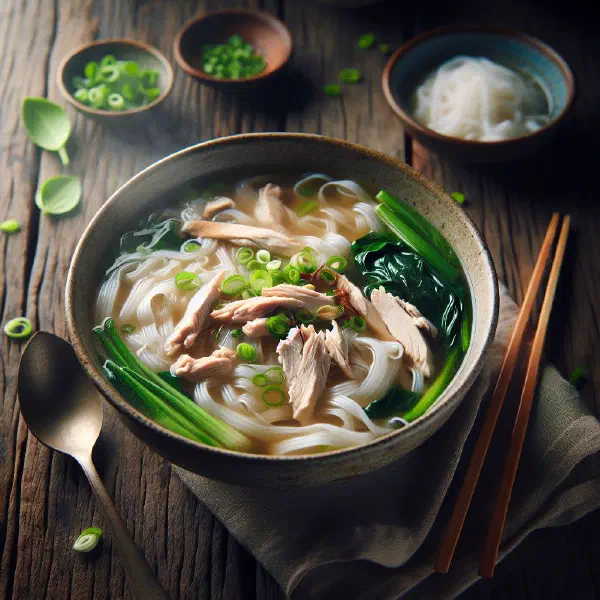
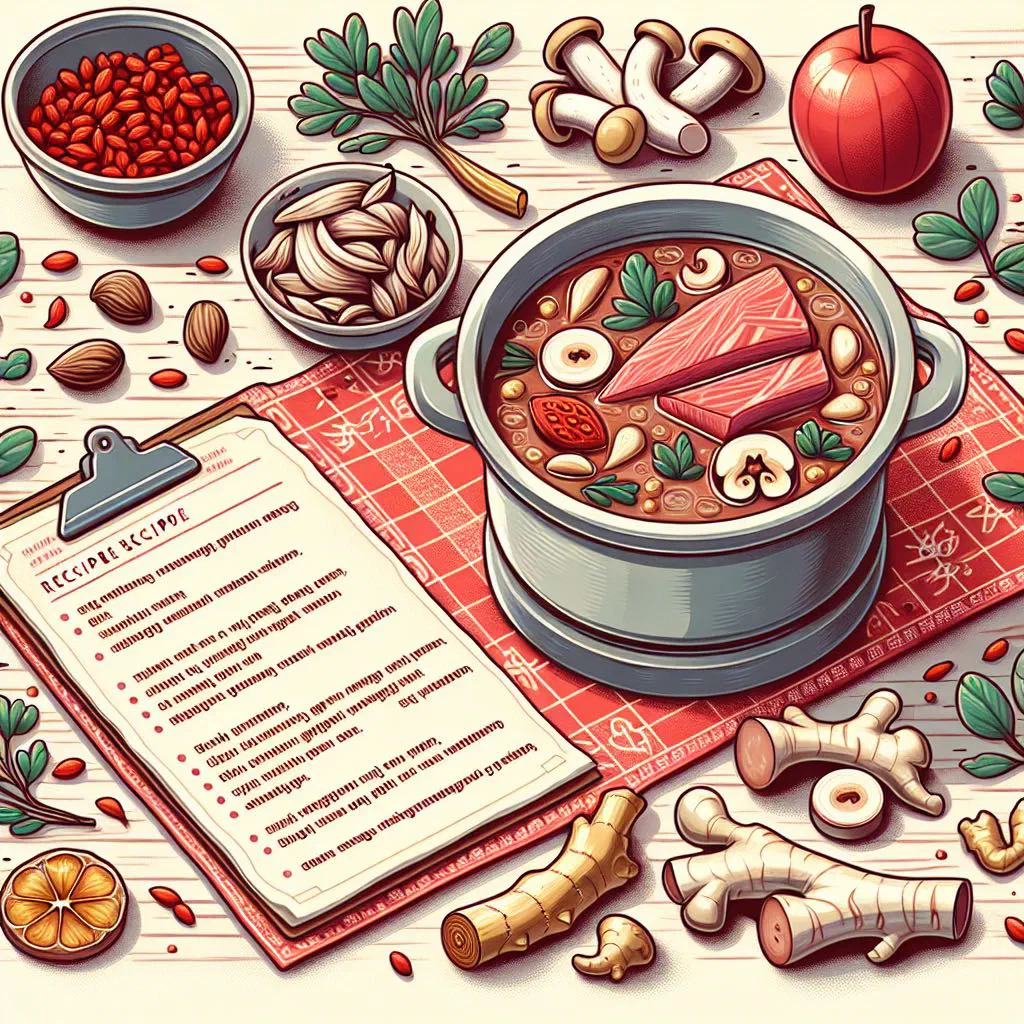
Discover Fish Maw Soup, a celebrated favourite from Singapore. This fragrant broth brings together delicate seafood, tender chicken and a handful of well-chosen seasonings for a bowl that feels genuinely special. The prized fish maw lends the soup its signature silky texture and luxurious mouthfeel, making it a firm fixture at festive gatherings. Warming, elegant and surprisingly simple to make at home, it is comfort in a bowl with a touch of occasion.
About Fish Maw Soup
Fish Maw Soup is a traditional dish from Singapore, prized for its exquisite blend of ingredients and aromas. The key component, the fish maw itself, gives the soup a distinctive texture and that luxurious, velvety mouthfeel it is known for. It is often enriched with an array of seafood, vegetables and carefully chosen seasonings, which deepen the flavour still further. More than just a delicacy, this soup is a symbol of festivity and celebration in Asian culture.
Ingredients (serves 1–2)
- 50 g dried fish maw
- 200 g chicken breast, diced
- 100 g prawns, peeled and deveined
- 2 cups chicken stock
- 1 cup water
- 1 teaspoon soy sauce
- 1 teaspoon sesame oil
- Fresh vegetables of your choice (e.g. pak choi, carrots)
- Fresh coriander, to garnish
Shopping for the ingredients
To make a truly authentic dish, it is worth sourcing the right ingredients. Dried fish maw is available from Asian grocery stores and should be chosen with care. Many of these shops also stock the fresh seafood that is essential to the soup. Make sure your chicken stock is of good quality, as it does much to lift the overall flavour of the finished bowl.
Preparing the dish
Preparing fish maw soup takes a little groundwork to bring out the flavours at their best. Start by soaking the fish maw in warm water to rehydrate it and improve its texture. While it softens, wash and prepare the remaining ingredients, such as the chicken breast and vegetables. Careful preparation is the key to a harmonious, well-balanced result.
Step-by-step instructions
- Drain the soaked fish maw and cut it into bite-sized pieces.
- Sauté the diced chicken breast in a pot with a little oil until golden brown.
- Add the prawns and cook briefly until just done.
- Pour in the chicken stock and water and bring to the boil.
- Add the fish maw and vegetables to the pot and simmer for 10–15 minutes.
- Season with soy sauce and sesame oil just before serving.
- Garnish with fresh coriander and enjoy hot.
Gluten-free / lactose-free version
Fish maw soup is already naturally gluten-free and lactose-free, as long as you use a gluten-free soy sauce. Take care that all the other ingredients you use are likewise free from gluten and lactose, so everyone can enjoy this delicious soup. Many Asian food markets stock special alternatives that make it easy to put together a gluten-free version, meaning even those with particular dietary needs can savour the flavours of Singapore.
Tips for vegans and vegetarians
For a vegan take on Fish Maw Soup, simply leave out the fish maw and use tofu instead. An extra helping of vegetables such as mushrooms or chickpeas adds protein, while switching from chicken stock to a good vegetable stock keeps the whole dish plant-based. These adjustments still deliver a delicious, satisfying bowl with the same aromatic character, so vegans can enjoy the rich flavours of this traditional soup too.
More tips and tricks
To round off the flavour of your fish maw soup, feel free to add a range of spices and herbs. A little ginger or a few shallots can lend the broth extra depth and warmth. Experiment with the amount of stock you use to adjust the consistency to your liking. These small but effective tweaks can be the difference between a simple dish and something that feels genuinely refined.
Adapting the recipe to your taste
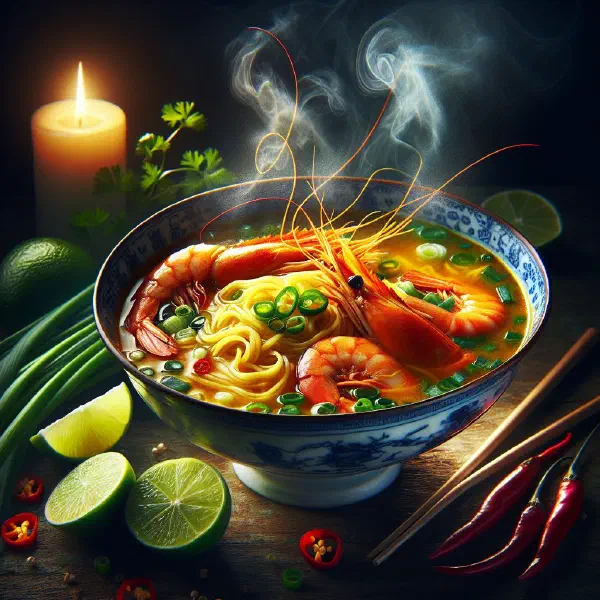
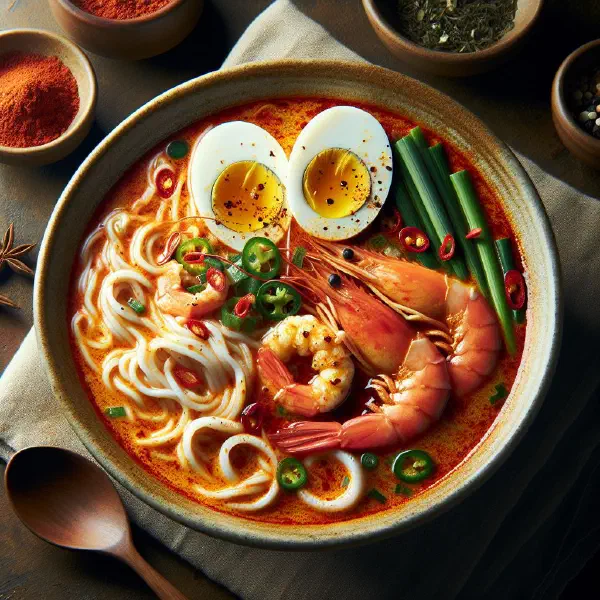
The recipe for fish maw soup is easy to adapt to your personal preferences. If you like a spicier note, simply add a few chillies to give the broth more kick. Alternatively, fold in other seafood such as squid or mussels for a more varied mix. The versatility of the ingredients means there is something to please every diner at the table.
Ingredient substitutions
If you cannot find fish maw, there are several alternatives to fall back on. Soya chunks or seitan, for example, offer a similar texture and make a great plant-based option. You might also try different stocks, such as a mushroom broth, to vary the aromas, much like the deep flavours you would find in a hearty Herbal Chicken Soup. By being creative with your ingredients, you can create entirely new taste experiences.
Drink pairing ideas
A range of drinks can round off your fish maw soup nicely. A lightly chilled green tea pairs beautifully with the flavours of the broth and offers a refreshing pause between spoonfuls. Alternatively, choose a fruity Asian drink or a light beer that will not mask the delicate components of the soup. The right drink can highlight the aromas of your meal wonderfully.
Serving and presentation ideas
The presentation of your fish maw soup plays a big part in the overall experience. Serve it in traditional Asian bowls to lend an instant sense of authenticity. Garnish the dish with fresh herbs or a slice of lime for a splash of colour. A beautifully arranged soup looks inviting and heightens the anticipation of that first spoonful.
A bit of history
Fish maw soup has its roots in Chinese culinary culture and is frequently served at special occasions and festivals. Regarded as a delicacy, it is often passed down from one generation to the next. Preparing this dish is a culinary undertaking and an expression of tradition and heritage, felt in every spoonful. Its popularity has grown over the years and it remains a firm part of Singaporean cuisine and the wider dining scene.
More recipe ideas
Summary: Fish Maw Soup
In summary, Fish Maw Soup is a part of Singapore’s cultural identity. Its rich aromas and delectable texture make it an ideal choice for special occasions or relaxed evenings at home. Let the many possibilities inspire you to vary and adapt this traditional recipe to your own taste. Treat yourself and your guests to a little piece of Asian cuisine and enjoy memorable moments of flavour.