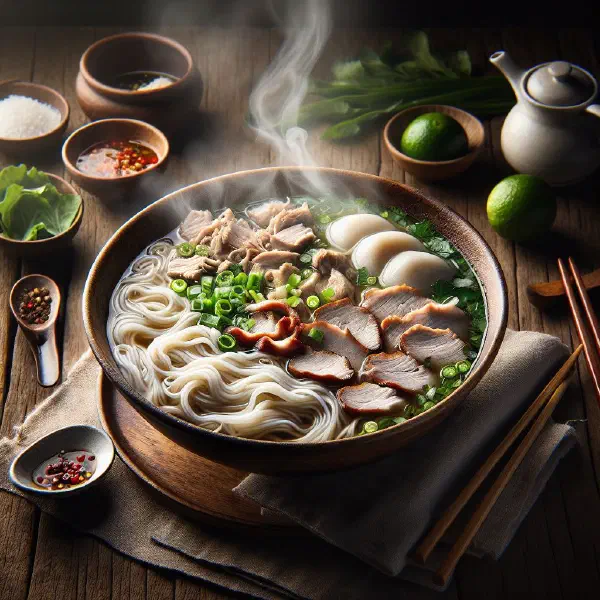
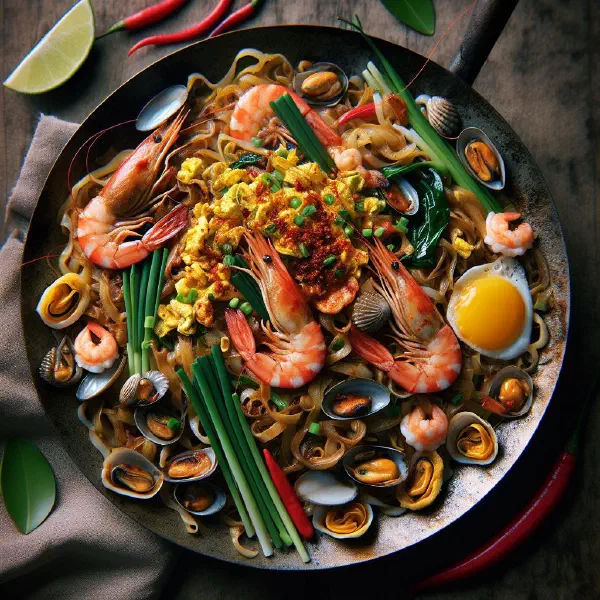
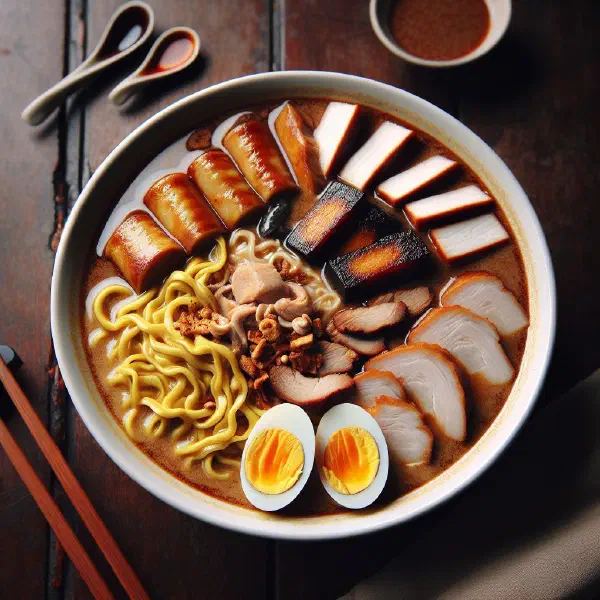
National Dish Singapore: Hokkien Mee (Recipe)
In this article
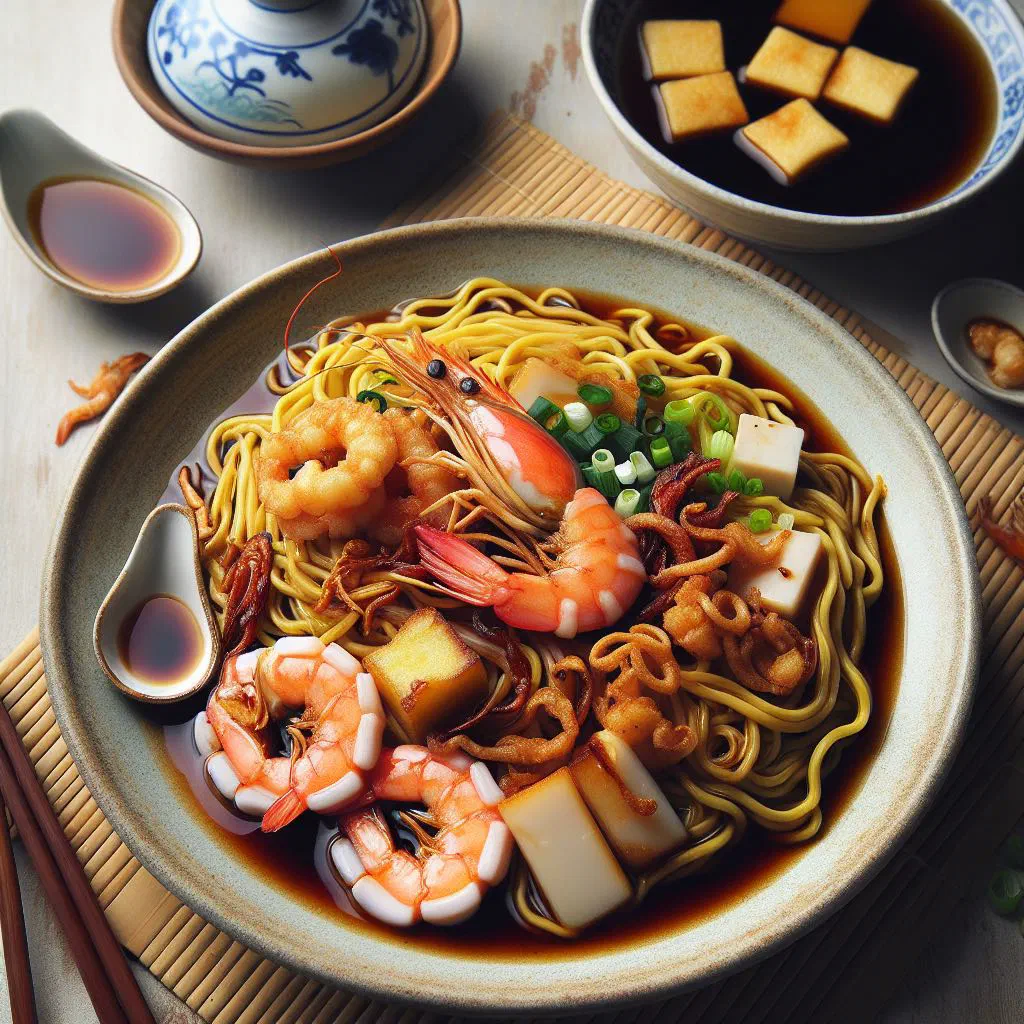
Bring the buzz of a Singapore hawker centre straight to your kitchen with Hokkien Mee, a beloved noodle dish that has won fans the world over. Springy egg noodles and slippery rice noodles are tossed with tender pork, plump prawns and colourful stir-fried vegetables, then finished with a savoury broth and a bright squeeze of lime. It is hearty, aromatic and endlessly satisfying, comfort food with a Southeast Asian soul.
About Hokkien Mee
Hokkien Mee is a delicious national dish from Singapore with a devoted following around the globe. This savoury noodle creation brings together fresh egg noodles and rice noodles, cooked with tender pork and prawns. A handful of aromatic stir-fried vegetables adds not only colour but a flavour all of its own. Rounded off with a well-seasoned broth and a splash of lime, it delivers a memorable mouthful that carries the streets of Singapore right onto your plate.
Ingredients (serves 1–2)
- 200 g fresh egg noodles
- 100 g rice noodles
- 150 g pork, thinly sliced
- 100 g prawns, peeled and deveined
- 1 cup mixed vegetables (e.g. broccoli, carrots, peppers)
- 3 cups chicken or vegetable stock
- 2 tablespoons soy sauce
- 1 lime, for the juice
- Oil, for frying
- Fresh coriander, to garnish
Shopping for the ingredients
To make Hokkien Mee, it is best to start with a visit to your local Asian grocery or supermarket. There you will find the fresh egg noodles and rice noodles that are essential to the dish. The choice of pork and fresh prawns in these shops is usually generous too, so you can pick out the finest ingredients for your meal. Be sure to buy fresh vegetables as well, to let the flavours shine at their best.
Preparing the dish
Begin by cooking the noodles according to the packet instructions, then draining them well. While the noodles boil, slice the vegetables into thin strips and marinate the pork. A simple marinade of soy sauce, a little oil and pepper works beautifully here. Remember to season the prawns generously too, so they release their full flavour once they hit the pan.
Step-by-step instructions
- Heat a little oil in a large pan or wok and sauté the marinated pork over medium heat until golden brown.
- Add the prawns and cook until they are just done through.
- Tip in the prepared vegetables and stir everything together well.
- Add the cooked noodles and the chicken or vegetable stock, mixing until the noodles are piping hot.
- Season with soy sauce and a squeeze of lime juice to taste.
- Take the pan off the heat and garnish with fresh coriander.
Gluten-free / lactose-free version
For a gluten-free take on Hokkien Mee, use gluten-free soy sauce and be sure to choose gluten-free noodles. Many shops now stock rice noodles, which are naturally free from gluten. It is also worth checking the label on your stock to make sure it contains no gluten. For a lactose-free version, all of the ingredients used here are normally suitable. Just double-check that the stock is lactose-free.
Tips for vegans and vegetarians
To make the recipe vegan or vegetarian, swap the pork for tofu, or lean into the vegetables and bulk the dish out with them. Instead of prawns, you can add seitan or a medley of vegetables such as courgette and mushrooms to the hot wok. Take care to use a vegetable stock made without any animal products. Bold, savoury notes can also be built up with a variety of plant-based sauces or spices to bring out the full flavour.
More tips and tricks
One key to cooking Hokkien Mee well is the frying temperature. A high heat helps the ingredients cook quickly and their aromas develop intensely. When the vegetables stay pleasantly crisp, you have hit the ideal texture. Using a wok is also recommended, as it spreads the heat evenly. Experiment with the ingredients, everyone cooks the dish a touch differently, which is part of what makes it a personal experience.
Adapting the recipe to your taste
The recipe for Hokkien Mee is easy to tailor to personal preference. If you like it hotter, simply add chilli or a chilli-based sauce for extra kick. For a sweeter profile, experiment with a little sugar. Every bite can vary depending on your choice of ingredients and seasonings, so there are always new flavours to discover. Just remember to adjust the cooking times to match any changes you make.
Ingredient substitutions
If you struggle to source some of the ingredients, there are plenty of creative alternatives to try. You might use wholemeal noodles in place of egg noodles to boost the nutritional value. Vegetable stock can stand in for chicken stock to create a vegetarian dish, much like the meat-free approach behind a good Mee Goreng. Play around with different vegetables to suit your own taste and make the dish a little healthier. The versatility of Hokkien Mee opens up a wide range of possibilities.
Drink pairing ideas
A range of drinks pairs wonderfully with a delicious bowl of Hokkien Mee. A cool beer complements the flavours of the dish beautifully. Jasmine or green tea also make fantastic companions, refreshing the palate as you eat. For an alcohol-free option, try a citrusy lemonade, the splash of lemon or lime echoes the flavours of the food perfectly. Experiment with different drinks to find your ideal pairing.
Serving and presentation ideas
To serve Hokkien Mee attractively, arrange it in deep bowls and garnish with fresh coriander and lime wedges. A scattering of sesame seeds or roasted peanuts as a topping adds both a decorative flourish and extra flavour. Serve the noodles with a side of dipping sauces, such as a fiery chilli sauce, to unlock further layers of taste. With a nice table setting and matching crockery, the meal becomes a real treat.
A bit of history
Hokkien Mee has a fascinating history rooted deep in Asian cookery. The dish originally hails from the Fujian province of China and was brought to Southeast Asia by Chinese immigrants. In Singapore, the recipe evolved further and adapted to the many cultural influences that shape the region, a hallmark of Singaporean cuisine. It is a perfect example of how traditions shift and adapt over long stretches of time to create new appeals to.
More recipe ideas
- Char Kway Teow — another classic noodle dish full of smoky wok flavour.
- Fried Hokkien Prawn Mee — a close cousin brimming with prawns.
- Laksa — a delicious, spicy noodle soup you are sure to love.
- Roti Prata — a wonderfully fluffy flatbread served on the side.
- Hae Mee — a fragrant prawn noodle soup.
Summary: Hokkien Mee
In short, Hokkien Mee is a real highlight of Asian cooking. The combination of fresh noodles, tender meat, prawns and aromatic vegetables makes this dish truly unique. With easy-to-find ingredients and plenty of room for adaptation, Hokkien Mee comes together effortlessly for beginners and seasoned cooks alike. Give this delicious recipe a go and bring the flavours of Singapore into your own kitchen.