National Dish Singapore: Kueh Lapis (Recipe)
In this article
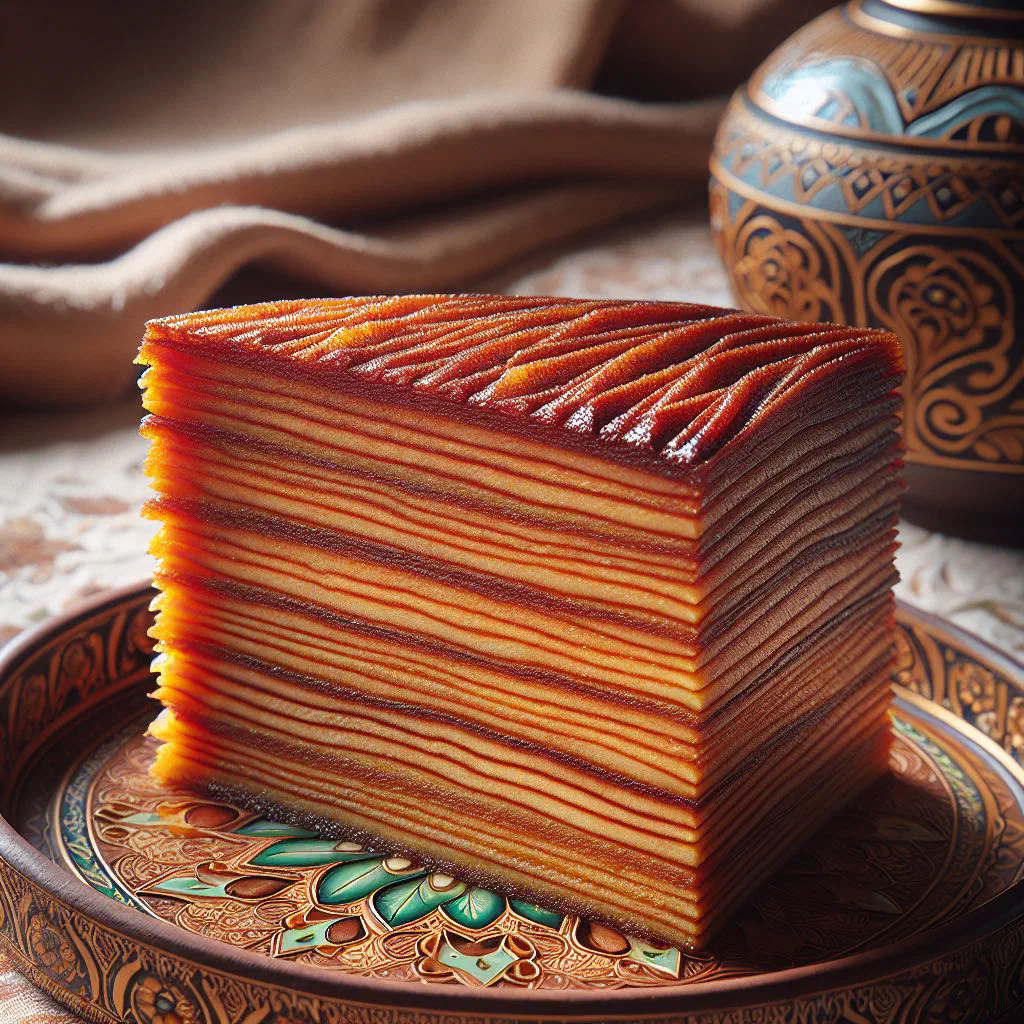
Discover Kueh Lapis, a jewel-bright layered cake beloved across Singapore and the wider Nusantara region. Built up one thin sheet at a time, its rainbow of soft, springy layers is as much a feast for the eyes as for the palate. Rich with the gentle sweetness of coconut milk and made from humble rice flour, it turns up at festive gatherings, family celebrations and quiet afternoon treats alike. Bring a little of that colourful magic to your own kitchen.
About Kueh Lapis
Kueh Lapis is a traditional layered dessert with Indonesian roots that is treasured throughout Singapore. Its charm lies in that distinctive stacked structure and the generous use of coconut milk, which lends the cake its unmistakable sweetness and creamy texture. Each sheet is steamed or baked in turn, and the cake is often built in cheerful bands of colour that make it a real showpiece.
Ingredients (serves 1–2)
- 200 g rice flour
- 200 g sugar
- 400 ml coconut milk
- 1 tsp vanilla extract
- 1 tsp baking powder
- Food colouring (optional)
- Pinch of salt
Shopping for the ingredients
The ingredients for Kueh Lapis are easy to find in most Asian grocers or a well-stocked supermarket. Pay particular attention to the quality of the coconut milk, as it shapes the whole character of the dessert. It is well worth seeking out fresh ingredients to get the fullest flavour. If you prefer to shop online, make sure everything comes from a reliable supplier.
Preparing the dish
Before you begin making Kueh Lapis, gather all the necessary ingredients in one place. Decide whether you would like your layers in different colours, a splash of food colouring makes this easy to achieve. Prepare a suitable tin as well, ideally a rectangular one, to make the layering simpler. Lightly greasing the tin will make it far easier to turn out the finished cake once it has set.
Step-by-step instructions
- Preheat the oven to 180 °C and lightly grease your baking tin.
- Mix the rice flour, sugar, baking powder and a pinch of salt together in a large bowl.
- Add the coconut milk and vanilla extract, then stir well until you have a smooth batter.
- Divide the batter into several portions if you would like different colours, and stir in the food colouring.
- Pour a thin layer of batter into the prepared tin and bake for about 15 minutes, until set.
- Add the coloured layers one after another, baking each until firm, until all the batter has been used up.
- Once baked, let the Kueh Lapis cool completely before turning it out of the tin and slicing into pieces.
Gluten-free / lactose-free version
For a gluten-free version of Kueh Lapis, use a gluten-free flour blend suited to baking. Coconut milk is naturally lactose-free, so there is no need to worry about dairy at all. Do check each ingredient individually to make sure nothing contains hidden gluten. These small adjustments mean that people with particular dietary needs can enjoy this delicious treat too.
Tips for vegans and vegetarians
The good news is that Kueh Lapis is naturally vegan, as it uses no animal products whatsoever. To keep it fully plant-based, simply make sure your sugar has not been refined using animal-derived methods. Coconut milk makes a wonderful base, rich in both flavour and nutrients. Enjoy this dessert without a second thought about animal ingredients.
More tips and tricks
The secret to a beautiful Kueh Lapis is careful, even layering of the batter. Use kitchen scales to make sure every layer is the same thickness and weight. This gives you an attractive finish and even cooking throughout. You can also play with the colours as you go, giving the cake extra visual appeal, much like the vivid green sheets of a Pandan Cake.
Adapting the recipe to your taste
The recipe for Kueh Lapis is wonderfully adaptable and perfect for bringing in your own flavours and preferences. You might add pandan extract, for example, to give it a fragrant, grassy note. The sweetness can be tailored too, so feel free to increase or reduce the sugar to suit your own palate. Tweaks like these help you fine-tune the dessert until it is exactly right for you.
Ingredient substitutions
If you do not have coconut milk to hand, other plant-based milk alternatives such as almond or soya milk will work well. For a less sugary version, natural sweeteners like agave syrup or coconut sugar make good stand-ins. Colourful fruit purées or juices are a creative way to tint the layers naturally, as seen in a fruity Almond Jelly. Your creativity really knows no limits here.
Drink pairing ideas
Kueh Lapis pairs beautifully with a wide range of drinks. A cup of tea, such as jasmine or green tea, complements the dessert wonderfully, its gentle flavour balancing out the sweetness. Alternatively, a fresh fruit juice or a cool, refreshing drink helps cleanse the palate. A frothy Teh Tarik is another local favourite that rounds off the experience nicely.
Serving and presentation ideas
The presentation of Kueh Lapis can be just as creative as the cake itself. Serve the slices on a pretty plate or in small presentation dishes that give those colourful layers room to shine. Decorative leaves or edible flowers make lovely garnishes to dress the dessert up further. A thoughtful presentation lifts the whole experience and creates a real wow factor for your guests.
A bit of history
Kueh Lapis has its roots along the Straits of Malacca and has been cherished for centuries across the cultures of Southeast Asia. The method has been passed down from generation to generation, reflecting the culinary traditions of the region and the melting-pot spirit of Singaporean cuisine. The dessert is often served at celebratory occasions, where it symbolises hospitality and prosperity. Thanks to its layers, it has proved itself delicious and elegant and festive.
More recipe ideas
Summary: Kueh Lapis
Kueh Lapis is a multi-layered dessert with Indonesian origins that is dearly loved in Singapore. With its unique pairing of coconut milk and rice flour, it offers a delicious and festive experience. This cake remains a highlight of any gathering. The different layers and colours bring joy to the eyes as much as the tastebuds, making Kueh Lapis an essential part of every celebration.