National Dish Singapore: Kueh Tutu (Recipe)
In this article
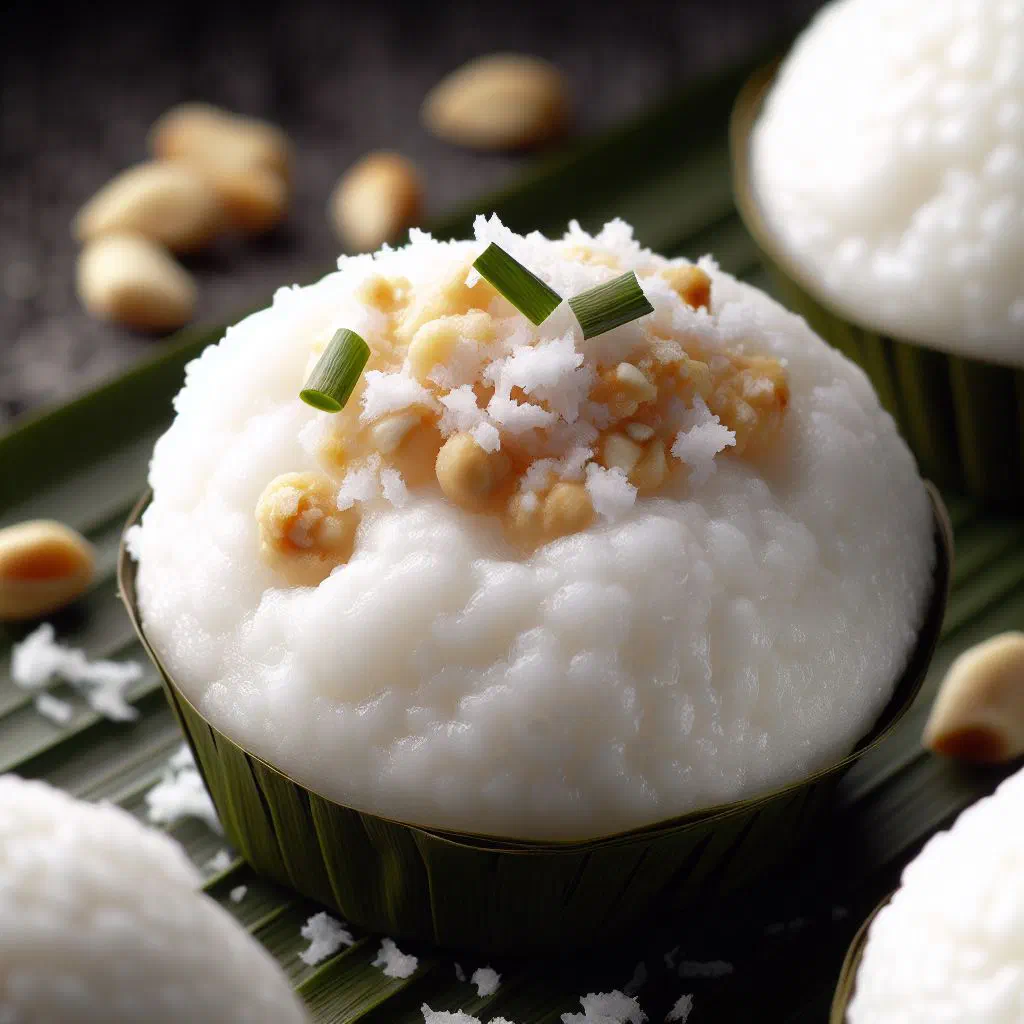
Meet Kueh Tutu, one of Singapore’s most charming little treats. These delicate steamed rice cakes are packed with a sweet filling of grated coconut or peanut, and their soft, cloud-like texture makes each bite feel special. Sold from traditional stalls with their distinctive whistling steamers, they are perfect as an afternoon snack or a light dessert. Bring a taste of an old-school Singapore hawker centre straight to your own kitchen.
About Kueh Tutu
Kueh Tutu is a much-loved traditional treat from Singapore that wins people over with its tender little rice cakes. These small appeals to are filled with sweet coconut or peanut paste, offering a lovely harmony of flavour and texture. The soft, springy bite of the steamed cakes and their pale, pretty appearance make them a fascinating experience. Ideal for a snack on the go or as a dessert, they are hugely popular with locals and visitors alike, and sit proudly among the sweet bites of Singaporean cuisine.
Ingredients (serves 1–2)
- 150 g rice flour
- 100 ml water
- 1 tsp pandan syrup (optional, for colour and aroma)
- 100 g grated coconut or peanut paste
- 50 g sugar (to taste)
- A pinch of salt
- Banana leaves or small moulds for steaming
Shopping for the ingredients
Making Kueh Tutu calls for a few special ingredients. Most of these can be found in Asian grocery shops or ordered online. Rice flour is a staple that is easy to source, while pandan syrup is often stocked in Asian markets. Grated coconut can be bought fresh or dried, depending on your preference and what is available. Look for good-quality, fragrant coconut, as it does much of the work in flavouring these little cakes.
Preparing the dish
To make Kueh Tutu successfully, a little careful preparation goes a long way. Start by measuring out and organising all your ingredients so the process runs smoothly. Cut the banana leaves into suitable pieces to line the moulds and cradle the cakes during steaming. A steamed preparation is essential to preserve the tender texture and the distinctive flavour of these cakes, so have your steamer ready before you begin.
Step-by-step instructions
- Mix the rice flour with water and the pandan syrup in a bowl until you have a smooth paste.
- Add a pinch of salt and the sugar, and stir well to combine.
- Prepare the banana leaves by cutting them into small liners or strips.
- Fill the moulds in alternating layers of dough and filling, repeating the process.
- Steam the cakes in a steamer for about 15–20 minutes.
- Carefully remove the cakes from the steamer and let them cool a little before serving.
Gluten-free / lactose-free version
The beauty of Kueh Tutu is that it is naturally gluten-free, since the main ingredient is rice flour. For anyone who is lactose-intolerant, the coconut flavour brings all the richness the recipe needs without any dairy at all. Using purely plant-based ingredients makes this dessert a great option for those watching their diet. Just take care that every ingredient you use is free from gluten and lactose, so the treat stays suitable for all.
Tips for vegans and vegetarians
For vegans and vegetarians, Kueh Tutu is a wonderful choice, as the recipe contains no animal products at all. To keep it fully vegan, simply check that the sugar you use has not been processed with animal-derived agents. These cakes are a creative way to enjoy the variety of Asian sweets without straying from your own eating habits. Experiment with different fillings, such as a sweet sesame or matcha filling, to discover new flavours.
More tips and tricks
To make the perfect Kueh Tutu, keep a few helpful pointers in mind. Make sure the steamer is properly heated before you add the cakes, so they cook evenly. If you find the cakes sticking to the surface while steaming, brush the moulds lightly with a little oil to prevent it. The right steaming temperature is also crucial, too low and the texture can suffer, leaving the cakes dense rather than light.
Adapting the recipe to your taste
The recipe for Kueh Tutu adapts beautifully to personal preference. Instead of coconut or peanut, you could use alternative fillings such as red bean paste or a chocolate filling to please more adventurous palates. The amount of sugar can also be reduced or increased to fine-tune the sweetness exactly as you like it.
Ingredient substitutions
If you have trouble finding certain ingredients, there are plenty of alternatives for Kueh Tutu. In place of freshly grated coconut, you can use desiccated coconut, which makes an equally delicious filling. If pandan syrup is not available, it can be swapped for matcha powder or other aroma extracts that give the cakes a special note. Depending on your taste, you might also experiment with different sugars, such as brown sugar or a drizzle of honey, to achieve different flavours.
Drink pairing ideas
To round off a plate of Kueh Tutu, a range of drinks works beautifully. A fresh green tea or a fragrant jasmine tea pairs wonderfully with the sweet cakes and brings a refreshing note alongside the dessert. A glass of coconut water or a fruity juice can also support the flavours of the dish. For those who like to experiment, an Asian-inspired cocktail could make an exciting addition that intensifies the whole tasting experience.
Serving and presentation ideas
The presentation of Kueh Tutu matters just as much as the taste. Serve the cakes on a nicely arranged plate, garnished with fresh mint leaves or a scattering of fresh fruit to please the eye. Decorative dishes made of bamboo or porcelain add to the traditional feel of the spread. Try to serve the dessert warm, as this brings out the authentic flavour and the soft, fragrant texture at their very best.
A bit of history
Kueh Tutu has its roots in traditional Malay and Singaporean cooking and reflects the rich culinary diversity of the region. The dish has evolved over the decades and is often sold as street food in Singapore and Malaysia. Historically, the earliest recipes trace back to Chinese immigrants who adapted their cooking traditions to local ingredients and tastes. Today, Kueh Tutu is a firmly established part of Singapore’s food culture and is especially treasured at celebrations and festivals.
More recipe ideas
Summary: Kueh Tutu
To sum up, Kueh Tutu is a delicious and unique treat that appeals to both the palate and the eye. Its preparation takes a little patience, but rewards you with an exceptional flavour and texture. By using natural, fresh ingredients, you can easily tailor this recipe to your own preferences, whether that means a classic coconut filling or something more like the sweet fillings you find in a Red Bean Soup. Let the culinary variety of Singapore inspire you and enjoy this traditional dessert.