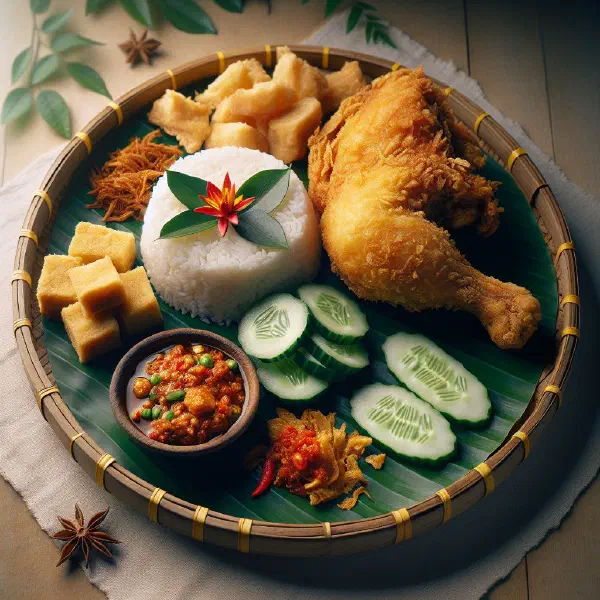
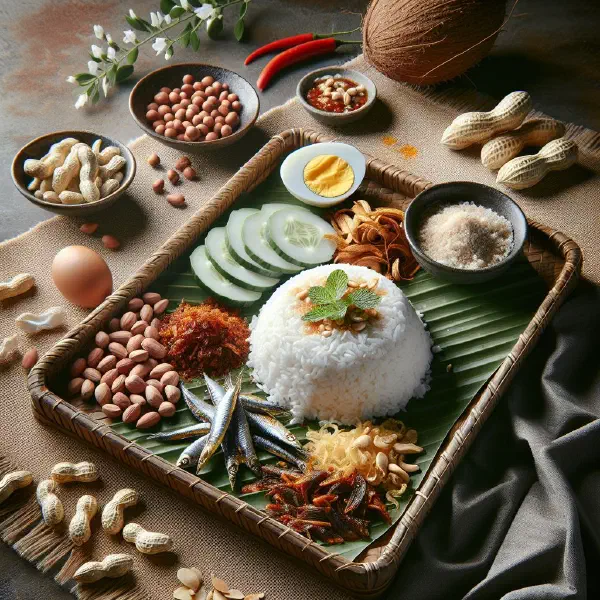
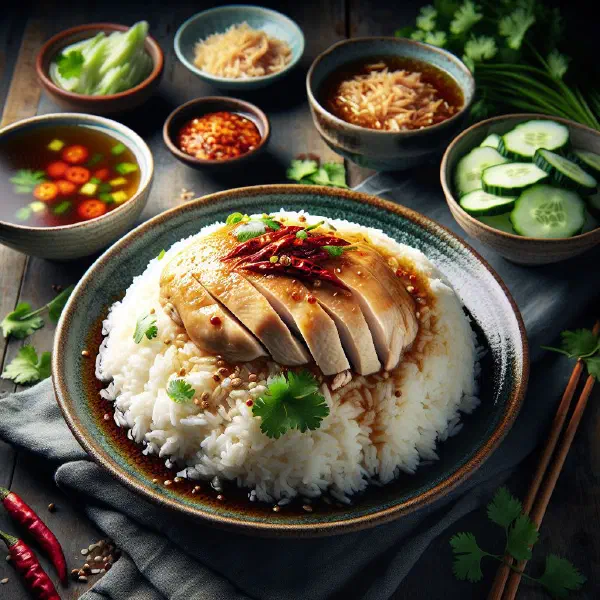
National Dish Singapore: Nasi Lemak (Recipe)
In this article
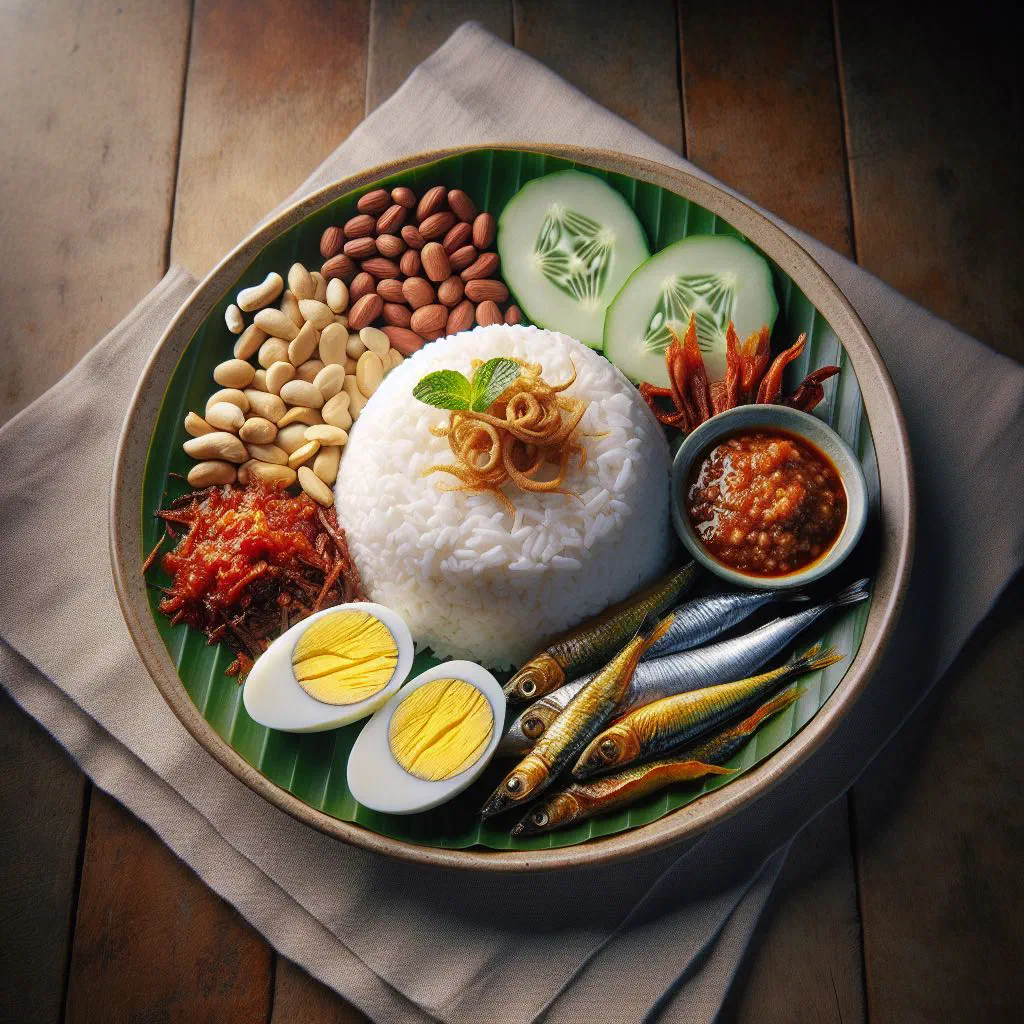
Meet Nasi Lemak, the fragrant coconut-rice dish that Singapore holds close to its heart. Born as a humble Malay breakfast, it has grown into one of the region’s most beloved plates, pairing silky coconut-infused rice with fiery sambal, crunchy anchovies and cooling cucumber. Every mouthful is a small study in contrast, rich and spicy, creamy and crisp, and it is far easier to recreate at home than you might think.
About Nasi Lemak
Nasi Lemak is far more than a simple meal; it is a piece of Singapore’s cultural heritage. Originally served as breakfast for the Malay community, it has become one of the most cherished dishes across the region over the years. The union of aromatic, coconut-infused rice and an array of side dishes creates a wonderfully harmonious eating experience. Each element adds to the whole, reflecting the diversity and richness of Singaporean cooking.
Ingredients (serves 1–2)
- 1 cup jasmine rice
- 1 cup coconut milk
- 0.5 teaspoon salt
- 1–2 pandan leaves (optional)
- 1–2 eggs
- A few slices of cucumber
- 2–3 tablespoons sambal (hot chilli paste)
- Crispy belacan (fermented shrimp paste)
- Fried anchovies (optional)
- Fried chicken or fish, as you like
Shopping for the ingredients
When shopping for nasi lemak, it is worth choosing fresh, good-quality produce. An Asian grocery is often the best place to find what you need, especially the coconut milk and the sambal paste. Jasmine rice is ideal for this dish, thanks to its delicate texture and pleasant aroma. Fresh cucumbers and eggs matter too, so it pays to pick your ingredients with care for the finest result.
Preparing the dish
Start by rinsing the rice thoroughly to wash away excess starch, which gives you fluffier grains. You can also stir together the coconut milk in advance so it blends more easily with the rice later on. Have the remaining ingredients, cucumber, sambal and egg, ready to hand as well, so the cooking moves along at a relaxed, steady pace.
Step-by-step instructions
- Rinse the jasmine rice in a sieve under cold water until the water runs clear.
- Add the rice to a pan along with the coconut milk, salt and water. Drop in the pandan leaves if using.
- Bring the rice to the boil, then lower the heat, cover and let it simmer gently for 15–20 minutes.
- Meanwhile, fry the eggs in a pan to your liking.
- Spoon the cooked rice into a bowl and arrange with sambal, cucumber, belacan and the other toppings.
- Serve the dish hot and enjoy it with your chosen protein.
Gluten-free / lactose-free version
For a gluten-free and lactose-free take on Nasi Lemak, keep a close eye on the products you use. The vast majority of the ingredients are naturally gluten-free, but when buying sambal make sure it contains no gluten-based additives. The coconut milk, meanwhile, works beautifully as a lactose-free stand-in for dairy. That way you can enjoy the dish without any worry of an allergic reaction.
Tips for vegans and vegetarians
Vegans and vegetarians can easily adapt Nasi Lemak to suit their diet. In place of the eggs, use a plant-based alternative such as tofu “fried eggs”. The fried anchovies can be swapped for crispy chickpeas or pan-fried pieces of tempeh. The result is a tasty, protein-rich option that is every bit as delicious as the original.
More tips and tricks
A few simple tips can noticeably improve your nasi lemak. Take care not to overheat the coconut milk, as it can catch and burn quickly. To make the rice even more aromatic, drizzle it with a little coconut oil once cooked. And, as ever, fresh ingredients are essential for the best possible flavour. A fragrant plate of nasi lemak has a lot in common with a good bowl of Coconut Rice.
Adapting the recipe to your taste
Nasi Lemak is a wonderfully adaptable dish that is easy to tailor to personal taste. If you prefer things milder, add less sambal or lean on gentler ingredients during cooking. The accompaniments can vary too, some people like more vegetables, others a different kind of meat. That flexibility makes it a marvellous choice for sociable gatherings, much like a shared platter of Satay.
Ingredient substitutions
Sometimes you may not have every ingredient for Nasi Lemak to hand, and that is a fine time to get creative. In place of pandan leaves, add a teaspoon of vanilla extract to lend the rice its aroma. The belacan can also be replaced with a vegan fish sauce to keep that savoury depth without any animal products.
Drink pairing ideas
To round off Nasi Lemak perfectly, choose the right drink. Traditionally it is often served with Teh Tarik, a much-loved Malaysian pulled tea. Freshly squeezed fruit juices or a simple lemonade make excellent alternatives too. These drinks help to balance the heat of the sambal and offer a refreshing counterpoint to the meal.
Serving and presentation ideas
Presentation can make a real difference to the overall impression of Nasi Lemak. Serve the rice in the centre of the plate and arrange the accompaniments artfully around it. Fresh vegetables and colourful ingredients make the dish more inviting, while a pretty little dish of sambal on the side adds a final flourish and a welcome splash of colour.
A bit of history
Nasi Lemak has its roots in Malay cuisine and was originally served by rice farmers as a light breakfast. It is a dish that grew out of nature and the resources close at hand. Over the years it has become a symbol of Singapore’s multicultural food culture, and many families still prepare it for special occasions, a mark of just how much it means. It sits proudly among the classics of Singaporean cuisine, alongside dishes like Hainanese Chicken Rice.
More recipe ideas
Summary: Nasi Lemak
In short, Nasi Lemak is a true feast for the senses that mirrors the cultural roots and culinary variety of Singapore. The combination of coconut-infused rice, delicious sambal and the assorted accompaniments makes it a thoroughly satisfying dish. Whether for breakfast, lunch or dinner, Nasi Lemak is always a fine choice. Dive into the flavours and enjoy this storied dish.