National Dish Singapore: Orh Nee (Recipe)
In this article
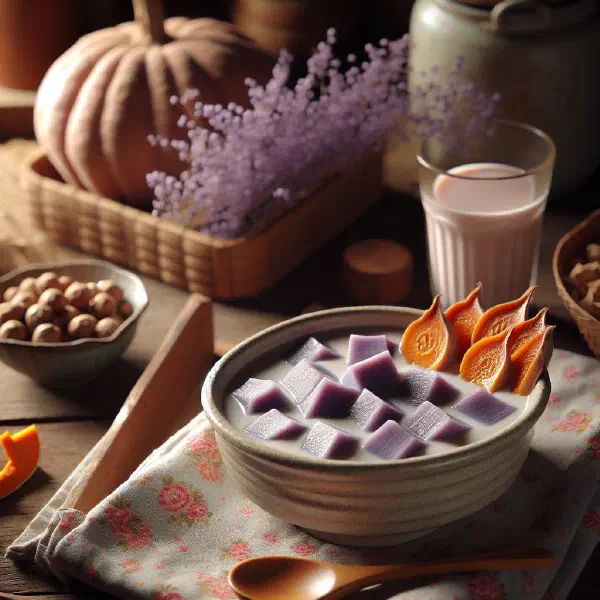
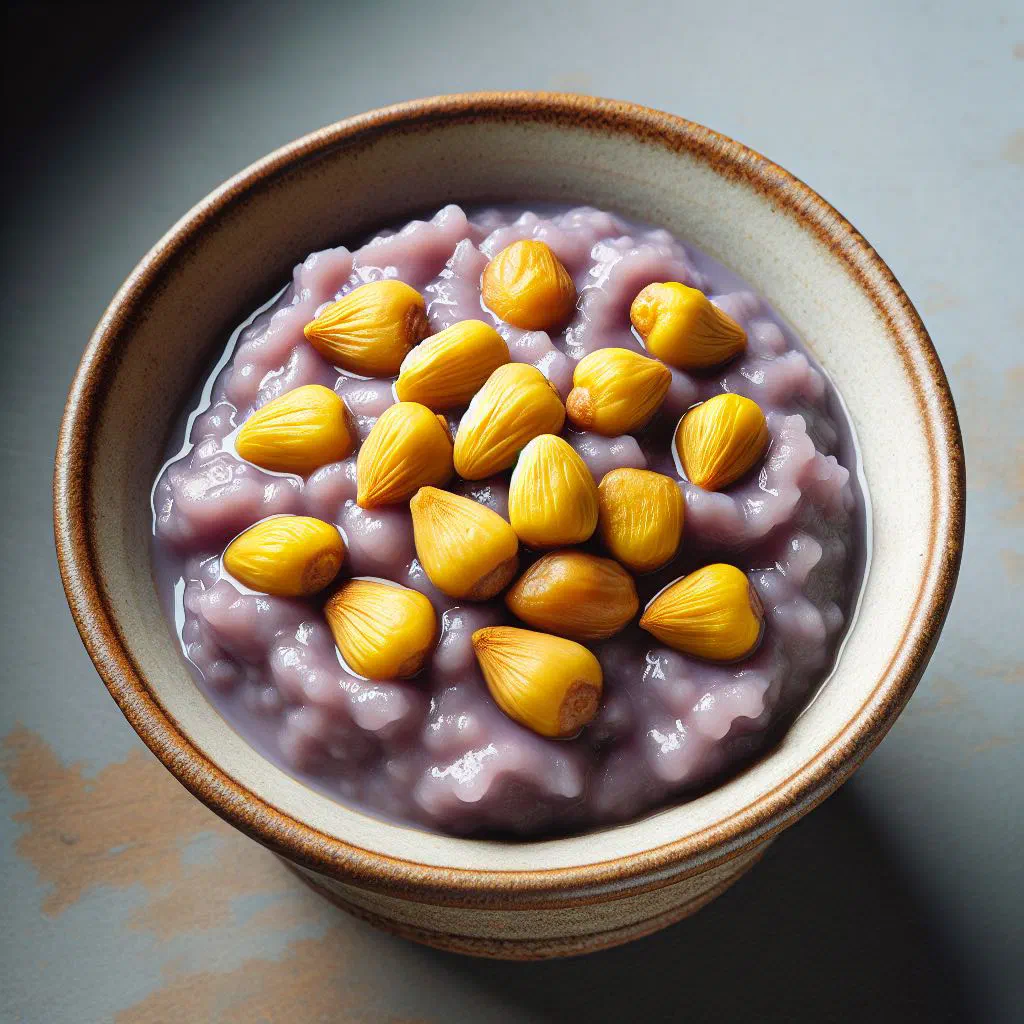
Meet Orh Nee, the silky yam paste dessert that has long been a highlight of Singapore’s Teochew table. Warm, glossy and luxuriously smooth, it blends sweet mashed yam with fragrant coconut milk and aromatic pandan leaves, then finishes with a scattering of crunchy nuts for contrast. Traditionally served at weddings and festive banquets as a symbol of good fortune, this comforting pudding is surprisingly simple to recreate at home.
About Orh Nee
Orh Nee is a traditional Singaporean dessert made from yam, prized as a true classic of the local kitchen and beloved by residents and visitors alike. The combination of sweet yam purée, coconut milk and pandan leaves gives it an incomparable flavour and a wonderfully creamy texture. It is often garnished with crunchy almonds or pumpkin seeds, which add an exciting contrast and round off the whole dish beautifully.
Ingredients (serves 1–2)
- 200 g yam
- 100 g coconut milk
- 1–2 pandan leaves
- 50 g sugar (to taste)
- A pinch of salt
- Optional: roasted almonds or pumpkin seeds, to top
Shopping for the ingredients
The ingredients for Orh Nee are available in most Asian supermarkets and grocery shops. Fresh yam can usually be found in the fruit and vegetable section, while coconut milk sits in the tinned goods aisle. Pandan leaves are also widely stocked in Asian markets and lend the dish its distinctive fragrance. Choose good-quality ingredients to draw out the best aromas and create a truly excellent dessert.
Preparing the dish
Before you begin making Orh Nee, it helps to have everything ready and to clean the yam thoroughly. Cut the root into small pieces to shorten the cooking time. The pandan leaf should be well washed and cut into smaller portions so its flavour spreads evenly through the dish. This simple bit of preparation ensures the cooking process runs smoothly.
Step-by-step instructions
- Peel the yam and cut it into small pieces.
- Bring the pieces to the boil in a pan of water and cook until soft (about 15–20 minutes).
- Drain the cooked yam and purée it until you reach a smooth consistency.
- In a separate bowl, combine the coconut milk, sugar and the sliced pandan leaves, stirring until the sugar has dissolved.
- Fold the purée into the coconut milk mixture and stir well.
- Spoon the finished purée into bowls and garnish to taste with roasted almonds or pumpkin seeds.
Gluten-free / lactose-free version
Orh Nee can be made gluten-free and lactose-free without any trouble, since the main ingredients, yam, coconut milk and sugar, are naturally free of both. Do check any extra ingredients you use, such as the topping, to make sure they suit your needs. These adjustments let people with special dietary requirements enjoy the dessert with complete peace of mind, keeping the recipe accessible to everyone.
Tips for vegans and vegetarians
Because Orh Nee is already built from plant-based ingredients, it makes an excellent dessert for vegans and vegetarians. Using coconut milk in place of dairy keeps the recipe entirely animal-friendly. Just take care that the sugar you choose is vegan, as some varieties are filtered using bone char. The adjustments are simple, and the dessert stays every bit as delicious.
More tips and tricks
If you want to deepen the aroma and flavour of Orh Nee, try adding a hint of vanilla extract or a little lemon juice to the purée. These touches help round off the sweetness and bring more depth to the flavours. You can also adjust the texture of the purée by using more or less coconut milk, depending on your preference. These personal tweaks mean everyone can enjoy the dessert exactly to their liking.
Adapting the recipe to your taste
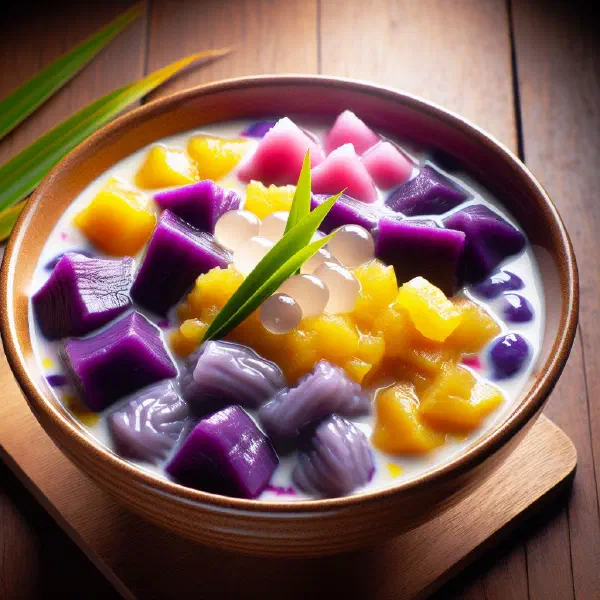
Orh Nee is wonderfully flexible and easy to tailor to personal preference. If you like a firmer purée, hold back on the coconut milk; for a looser, more pourable finish, add a splash more. You can dial the sweetness up or down, and swap the topping to suit the occasion, a similar spirit of adaptability shines in Chendol. This way you can create a dessert that fits your own taste exactly.
Ingredient substitutions
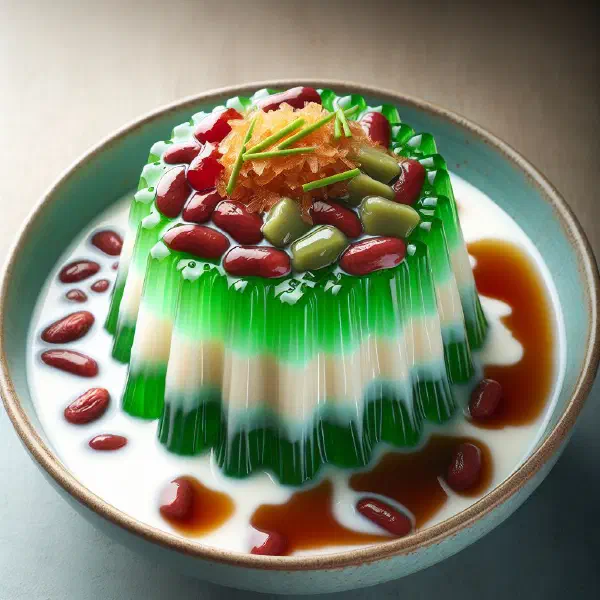
Should you be unable to find yam, you can use firm sweet potatoes instead to achieve a similar result. For the coconut milk, almond milk or soy alternatives work well if you want to vary the flavour slightly. Sugar can be replaced with natural sweeteners such as honey or agave syrup for a healthier version. Substitutions like these let you shape Orh Nee around your own preferences, just as you might with a bowl of Tau Suan.
Drink pairing ideas
A range of drinks pairs beautifully with Orh Nee. A lightly sweetened chai tea or a refreshing green tea harmonises wonderfully with the dessert. A chilled glass of coconut water can also support the flavours and offer a soothing refreshment. For special occasions, a frothy coconut cappuccino makes a lovely finish that intensifies the whole gastronomic experience.
Serving and presentation ideas
The presentation of Orh Nee can be lifted with a creative approach to bowls and toppings. Serve the dessert in elegant glasses or small bowls to heighten the pleasure. Garnishing with fresh mint leaves or edible flowers adds considerable visual appeal and makes the dessert even more inviting. A thoughtful presentation rounds off the pudding and gives it a festive air.
A bit of history
Orh Nee has its roots in Chinese cuisine, particularly the Teochew community, and is often associated with festivals and special occasions. The dessert symbolises prosperity and good fortune, and has traditionally featured at weddings and family celebrations. Its preparation has evolved over the years, giving rise to many modern variations. Today Orh Nee is a favourite among food lovers and among all who appreciate the variety and richness of Singaporean cuisine.
More recipe ideas
Summary: Orh Nee
In summary, Orh Nee is a delicious and distinctive dessert that shows off the flavours of Singaporean cuisine beautifully. With its combination of sweet yam purée, coconut milk and pandan leaves, it appeals to the palate and the eye. It is endlessly adaptable and can easily be made vegan or gluten-free. Let this dessert inspire you and experience the fascinating world of Singaporean flavours.